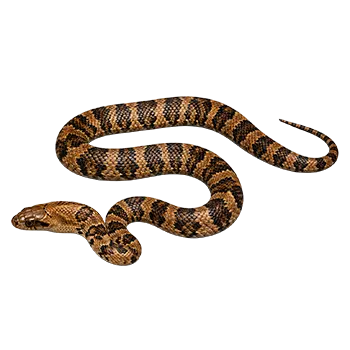

Transporting a False Water Cobra by personal vehicle is the most common and generally most controllable method of moving these animals, whether for veterinary appointments, relocations, or trips to and from reptile expos. The species' active temperament, substantial adult size, and mild venom delivery apparatus all demand a thoughtful approach to vehicle transport that goes beyond the basic bagging-and-boxing protocols sufficient for many smaller, more docile snake species.
The foundation of safe vehicle transport for a False Water Cobra is a secure, appropriately sized container that prevents escape while maintaining adequate ventilation and thermal stability. For adult specimens, which commonly reach five to seven feet in length and possess considerable muscular strength, a rigid plastic or fiberglass container with a locking lid is strongly preferred over soft fabric bags used alone. While cloth snake bags are useful as an initial containment layer that limits the animal's visual stimulation and reduces stress-related defensive behavior, they should be placed inside a hard-sided outer container that the snake cannot push open, tip over, or force apart at seams. The container should be large enough to accommodate the coiled snake comfortably but not so spacious that the animal slides freely during vehicle movement, as the resulting physical stress can provoke defensive behavior and increase the risk of injury.
Temperature management during vehicle transport is a critical concern, particularly given the False Water Cobra's tropical and subtropical origins. The species is sensitive to temperature extremes, and the interior of a parked vehicle can reach dangerous temperatures within minutes during warm weather. During summer transport, the vehicle's climate control system should be running before the snake is loaded, and the animal should never be left unattended in a parked car. In cold weather, chemical heat packs wrapped in cloth or newspaper and placed inside the transport container provide supplemental warmth, though care must be taken to prevent direct contact between the heat source and the animal, as thermal burns can result from prolonged exposure to improperly insulated heat packs.
The False Water Cobra's tendency to hood up and display defensively when disturbed makes secure containment during vehicle transport a matter of both animal welfare and handler safety. An agitated False Water Cobra that escapes its container inside a moving vehicle represents a genuine hazard to the driver, not because of any serious envenomation risk but because the sudden appearance of a large, hooding snake in the passenger compartment is likely to provoke a startle response that could cause a traffic accident. Keepers should verify the security of all container closures before beginning any journey and should resist the temptation to check on the animal during transit, as repeated disturbance increases stress and the probability of defensive behavior upon arrival.