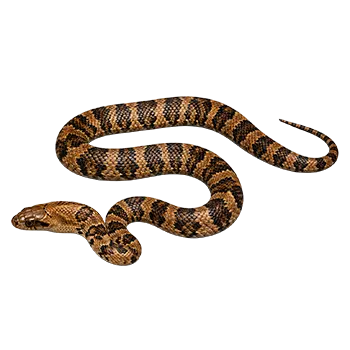

Regulatory Overview & Classification Challenges

The legal status of the False Water Cobra (Hydrodynastes gigas) presents one of the more nuanced regulatory situations in the exotic reptile trade, stemming primarily from the species' ambiguous position between the categories of venomous and non-venomous snakes. As a rear-fanged colubrid possessing Duvernoy's glands that produce mildly toxic secretions, the False Water Cobra does not fit neatly into the binary classification frameworks that many jurisdictions use to regulate snake ownership. This taxonomic gray area has resulted in a patchwork of legal interpretations that varies significantly across countries, states, provinces, and municipalities.

In regulatory contexts, the critical question surrounding the False Water Cobra is whether it qualifies as a venomous species. The answer depends entirely on how a given jurisdiction defines the term. Some regulatory frameworks define venomous snakes based on the presence of any venom-producing apparatus, which would include the False Water Cobra's rear fangs and Duvernoy's glands. Others restrict the definition to species capable of delivering medically significant envenomation to humans, a threshold that the False Water Cobra generally does not meet, as its bites typically produce only localized swelling, pain, and occasional bruising rather than systemic toxicity requiring medical intervention.

This definitional inconsistency creates practical difficulties for keepers, breeders, and retailers who must navigate a regulatory landscape where the same animal may be classified as venomous in one jurisdiction and non-venomous in another separated by a state or county line. The lack of a universally applied standard for defining venom in regulatory contexts means that prospective False Water Cobra owners must research the specific laws applicable to their locality with considerable care, as assumptions based on the regulations of a neighboring jurisdiction may prove dangerously incorrect.

Herpetoculture advocacy organizations have long argued for the adoption of more scientifically informed classification systems that distinguish between species capable of causing serious envenomation and those, like the False Water Cobra, whose venom apparatus poses minimal risk to human health. Progress on this front has been slow, however, as legislative bodies often lack the herpetological expertise to draft nuanced species-specific regulations and tend to default to broad categorical restrictions that are simpler to administer but may be poorly calibrated to actual risk levels.

United States Federal & State Regulations

At the federal level in the United States, the False Water Cobra is not specifically listed under the Lacey Act's injurious wildlife provisions, nor is it subject to the restrictions imposed on certain large constrictor species by the 2012 and 2015 amendments to that act. The species is not listed under the Endangered Species Act and does not appear on any federal prohibited species list. This means that, from a strictly federal perspective, interstate commerce in False Water Cobras remains legal, though all applicable state and local laws at the points of origin and destination must still be satisfied.

State-level regulation of the False Water Cobra varies enormously across the country. A significant number of states impose no specific restrictions on the species beyond whatever general exotic animal permit requirements may apply. In these states, which include several of the largest markets for captive reptiles, the False Water Cobra can be legally purchased, kept, bred, and sold without specialized permits or licenses, provided that general animal cruelty and welfare statutes are observed. This relatively permissive regulatory environment has facilitated the growth of captive breeding programs and contributed to the species' widespread availability in the domestic pet trade.

Other states classify the False Water Cobra as venomous based on the presence of its rear fangs and Duvernoy's glands, subjecting it to the same permit requirements, caging standards, and insurance or bonding mandates that apply to medically significant venomous species such as rattlesnakes, copperheads, and true cobras. In these jurisdictions, keeping a False Water Cobra may require a venomous reptile permit that entails facility inspections, proof of relevant experience, minimum caging specifications including double-locking enclosure requirements, escape-notification protocols, and in some cases the maintenance of appropriate antivenin supplies, even though no specific antivenin exists for this species and none would be clinically indicated for a typical bite.

A smaller number of states prohibit the private possession of venomous reptiles entirely, and in jurisdictions where the False Water Cobra is classified as venomous, this prohibition effectively bans the species. Keepers who relocate from a permissive state to a restrictive one face the challenge of either rehoming their animals or seeking exemptions that may or may not be available under local law. The inconsistency across state lines has been a persistent source of frustration for the herpetoculture community and has prompted ongoing legislative advocacy efforts aimed at establishing more uniform and scientifically grounded regulatory standards.

International Regulations & Trade Controls

The international trade in False Water Cobras is governed by a complex interplay of export regulations in range countries, import regulations in destination countries, and the provisions of the Convention on International Trade in Endangered Species of Wild Fauna and Flora. The species is not currently listed on any CITES appendix, which means that international trade is not subject to the permit and quota systems that apply to CITES-listed species. However, the absence of a CITES listing does not exempt the species from the domestic wildlife export regulations of the South American countries in which it occurs, nor from the import regulations of destination countries.

Brazil, which encompasses the largest portion of the False Water Cobra's native range, maintains strict regulations on the export of native wildlife. Brazilian law generally prohibits the commercial export of wild-caught native reptile species, and the enforcement of these regulations has been a priority for the country's environmental protection agencies. Legal export of False Water Cobras from Brazil is extremely limited, and the overwhelming majority of animals in the international trade are derived from captive-bred populations maintained outside of Brazil. This situation has created a genetic bottleneck in some captive lineages, as the founding stock for many breeding programs outside of South America was established from a relatively small number of legally exported or pre-regulation animals.

In the European Union, the import and keeping of the False Water Cobra is regulated at both the EU level and by individual member states. The EU Wildlife Trade Regulations implement CITES provisions and impose additional requirements on the trade in certain species, though the False Water Cobra's absence from the CITES appendices means that EU-level trade restrictions are minimal. Individual member states, however, may impose their own restrictions on the keeping of venomous or potentially dangerous reptile species, and the classification of the False Water Cobra under these national frameworks varies. Germany, the Netherlands, and the United Kingdom each apply different regulatory approaches to the species, reflecting broader differences in their approaches to exotic animal regulation.

Australian regulations present a complete barrier to legal False Water Cobra ownership, as the country prohibits the import of all non-native reptile species under its strict biosecurity and wildlife protection laws. Similar comprehensive bans exist in New Zealand and several other island nations concerned about the ecological risks posed by introduced reptile species. These blanket prohibitions, while not specifically targeting the False Water Cobra, effectively exclude the species from the legal pet trade in these countries and illustrate the range of regulatory approaches applied to exotic reptile keeping across different national contexts.

Municipal & Local Ordinances

Beyond federal and state or national regulations, False Water Cobra owners must contend with a layer of municipal and local ordinances that can impose additional restrictions on reptile keeping. Many cities, counties, and municipalities have enacted exotic animal ordinances that supplement or exceed the requirements of higher-level regulations, and these local rules can significantly affect the legality and practicality of keeping False Water Cobras in specific communities.

Urban municipalities, in particular, have shown a tendency to adopt restrictive exotic animal ordinances that may classify all snakes above a certain size, or all species possessing any venom apparatus, as prohibited animals. These ordinances are often enacted in response to specific incidents or public safety concerns and may be drafted without significant input from herpetological experts, resulting in regulations that are poorly tailored to the actual risks posed by the species they target. A False Water Cobra keeper living in an unincorporated area may be legally permitted to maintain their animal under state law, while a keeper across a municipal boundary a few miles away may be in violation of local ordinance for possessing the same species.

Rental housing agreements and homeowner association rules represent another layer of de facto regulation that affects many False Water Cobra owners. Landlords and property management companies frequently include provisions prohibiting exotic animals, venomous reptiles, or reptiles above a specified length in residential lease agreements. Homeowner associations may impose similar restrictions through community covenants and bylaws. While these are private contractual restrictions rather than government regulations, they have a practical effect equivalent to legal prohibition for the many keepers who rent their homes or live in HOA-governed communities.

The fragmented nature of local regulation creates a significant due-diligence burden for prospective and current False Water Cobra owners. Keepers must research not only the federal and state laws applicable to their jurisdiction but also any county, city, or municipal ordinances that may apply, as well as the terms of their residential lease or homeowner association agreements. Herpetoculture organizations and online communities maintain databases and guides to help keepers navigate this complex regulatory landscape, but the rapid pace at which local ordinances can be enacted or amended means that these resources require constant updating to remain accurate.

The challenge of local regulatory compliance is compounded by inconsistent enforcement. In many jurisdictions, exotic animal ordinances are enforced reactively rather than proactively, meaning that violations typically come to light only when a neighbor files a complaint, a snake escapes, or an animal control officer encounters the species during a response to an unrelated call. This pattern of reactive enforcement creates a precarious situation for keepers who may be technically in violation of local rules without being aware of it, and it underscores the importance of thorough legal research before acquiring a False Water Cobra.

Liability, Insurance & Incident Reporting

The question of legal liability arising from False Water Cobra ownership intersects with broader debates about the responsibilities of exotic animal keepers and the adequacy of existing liability frameworks. In most common-law jurisdictions, the keeping of exotic animals, particularly those classified or perceived as venomous, subjects the owner to a heightened standard of care. Under the doctrine of strict liability for abnormally dangerous activities, which many jurisdictions apply to the keeping of venomous reptiles, an owner may be held liable for injuries caused by their animal regardless of the precautions taken to prevent such injuries. Whether this strict liability standard applies to the False Water Cobra depends on the jurisdiction's classification of the species and its interpretation of what constitutes a dangerous animal.

Homeowner's insurance policies present a related concern for False Water Cobra owners. Many standard homeowner's and renter's insurance policies exclude coverage for injuries caused by exotic or venomous animals, and some insurers will cancel or refuse to issue policies for households that maintain such animals. Keepers who are transparent about their animals when applying for or renewing insurance coverage may face premium surcharges, coverage exclusions, or outright denial of coverage. This insurance landscape creates a financial exposure that is disproportionate to the actual risk posed by the species, as the False Water Cobra's mild venom is extremely unlikely to cause injuries requiring significant medical treatment.

Specialized exotic animal liability insurance is available through a limited number of carriers and may provide an alternative for keepers who cannot obtain adequate coverage through standard homeowner's policies. These specialty products, however, tend to be more expensive than standard coverage and may impose their own requirements regarding enclosure specifications, security measures, and keeper qualifications. The availability and cost of such insurance varies by jurisdiction and by the specific classification of the False Water Cobra under local law.

Incident reporting requirements add another dimension to the legal framework surrounding False Water Cobra ownership. In jurisdictions that classify the species as venomous, escape events and bite incidents may trigger mandatory reporting obligations that require the keeper to notify animal control, local law enforcement, or public health authorities. These reporting requirements can have significant consequences, as the response to a reported venomous snake escape may be disproportionate to the actual public safety risk posed by a loose False Water Cobra. Keepers are advised to familiarize themselves thoroughly with applicable incident reporting requirements and to maintain enclosure security standards that minimize the likelihood of escape events.

Evolving Legislation & Advocacy

The regulatory landscape governing False Water Cobra ownership continues to evolve as legislators, regulators, herpetoculture advocates, and animal welfare organizations engage in ongoing debates about the appropriate framework for exotic reptile keeping. Several trends in recent legislation have direct implications for current and prospective False Water Cobra owners, and understanding these trends is essential for keepers who wish to anticipate and respond to regulatory changes.

One significant legislative trend is the movement toward species-specific regulation rather than broad categorical bans. Herpetoculture advocacy organizations have argued persuasively that blanket prohibitions on all venomous reptiles, or all exotic reptiles above a certain size, are poorly calibrated to actual risk and impose unnecessary burdens on responsible keepers of species that pose minimal danger to public safety. Some jurisdictions have responded by developing tiered classification systems that distinguish between species requiring specialized permits and those that can be kept under general exotic animal licenses, and the False Water Cobra's classification within these tiered systems has been a subject of active debate between advocacy groups and regulatory bodies.

Another emerging trend is the increasing emphasis on keeper competency and husbandry standards as alternatives to outright bans. Several jurisdictions have adopted or are considering regulatory frameworks that permit the keeping of certain restricted species by individuals who can demonstrate appropriate knowledge, experience, and facility standards. These competency-based approaches align with the herpetoculture community's argument that responsible keeping practices, rather than blanket prohibition, represent the most effective mechanism for managing the risks associated with exotic reptile ownership. The False Water Cobra, as a species that requires genuine expertise but poses limited risk when maintained by competent keepers, is well suited to regulation under competency-based frameworks.

Herpetoculture advocacy organizations continue to engage with legislative processes at all levels of government, providing expert testimony, submitting public comments on proposed regulations, and working to educate lawmakers about the biological realities of the species they seek to regulate. These organizations have achieved notable successes in some jurisdictions, securing amendments to overly broad proposed bans, establishing exemption pathways for established keepers and breeders, and promoting the adoption of evidence-based classification systems. However, the advocacy landscape remains challenging, as high-profile incidents involving large or venomous snakes periodically generate public pressure for restrictive legislation that can be difficult to counter with nuanced scientific arguments.

Prospective False Water Cobra owners are strongly encouraged to research the specific laws applicable to their jurisdiction thoroughly before acquiring an animal, to maintain compliance with all applicable regulations throughout the period of ownership, and to engage with local and national herpetoculture advocacy organizations that work to promote responsible regulation. The legal landscape surrounding this species is dynamic, and keepers who remain informed about legislative developments are better positioned to protect both their animals and their ability to practice their hobby within the bounds of the law.

Always consult a qualified professional before making any health-related decisions. This content is provided for informational reference only and should not replace professional guidance specific to your animal.