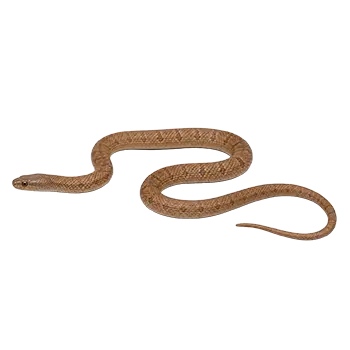

Encountering Eastern Egg-Eaters in the Wild

The Eastern Egg-Eater is one of the more frequently encountered snake species across much of sub-Saharan Africa, though finding one in the wild requires an understanding of its habits, habitat preferences, and seasonal activity patterns. Dasypeltis scabra is primarily nocturnal and crepuscular, spending daylight hours concealed beneath rocks, logs, bark, or in abandoned rodent burrows and termite mounds. As temperatures drop in the evening, the snake emerges to search for bird nests, using a combination of chemosensory cues and exploratory behavior to locate eggs. Travelers hoping to observe egg-eaters in their natural habitat should therefore plan field activities around the late afternoon and evening hours, when the chances of encountering active individuals are highest.

The species favors a wide range of habitats, from semi-arid savanna and grassland to moist woodland, forest edges, and agricultural land. This ecological flexibility means that Eastern Egg-Eaters can be encountered in settings ranging from relatively pristine natural areas to farms, villages, and the peripheries of towns. The snake's tolerance of human-modified landscapes is a consequence of its dietary specialization, as domestic poultry and commensal bird species such as weavers and sparrows provide egg resources in areas where natural habitat has been altered. For travelers, this means that encounters are possible not only in national parks and game reserves but also in more accessible rural and periurban settings.

Seasonal timing significantly influences the likelihood of encountering Eastern Egg-Eaters in the field. The species' activity peaks during and shortly after the local bird breeding season, when eggs are most abundantly available. In Southern Africa, this corresponds broadly to the warmer months from September through February, though the precise timing varies by latitude and local climate. In East Africa, where rainfall patterns rather than temperature drive avian breeding cycles, egg-eater activity may peak during or just after the rainy seasons. Travelers seeking egg-eater encounters should research the bird breeding phenology of their specific destination to optimize their timing.

Road cruising, the practice of slowly driving roads at night while scanning for reptiles on or crossing the road surface, is one of the most productive methods for finding Eastern Egg-Eaters in suitable habitat. The snakes frequently cross roads during their nocturnal foraging movements and are easily visible against the light-colored surface of paved or gravel roads. This method is most effective on warm evenings following rain, when snake activity tends to be highest. However, road cruising also exposes the observer to the sobering reality of road mortality among African snake populations, as many of the egg-eaters found on roads are already dead, killed by passing vehicles.

Key Destinations & Habitats

Sub-Saharan Africa offers numerous destinations where travelers interested in observing the Eastern Egg-Eater can encounter the species in a variety of natural and semi-natural settings. South Africa is perhaps the most accessible destination for international travelers seeking Dasypeltis scabra, as the country combines robust tourism infrastructure with extensive natural areas where the species is common. The provinces of KwaZulu-Natal, Limpopo, Mpumalanga, and the Eastern Cape all support healthy egg-eater populations, and the species is regularly encountered by herpetologists and wildlife enthusiasts in habitats ranging from coastal dune forest to interior bushveld.

Southern African game reserves and national parks provide some of the best opportunities for encountering Eastern Egg-Eaters within the context of a broader wildlife experience. Kruger National Park and its surrounding private reserves harbor a diverse reptile fauna that includes Dasypeltis scabra alongside dozens of other snake species. While most visitors to these reserves focus on mammalian megafauna, guided night drives and targeted reptile walks increasingly include snake observation as a component of the wildlife experience. The Waterberg Biosphere Reserve in Limpopo and the iSimangaliso Wetland Park in KwaZulu-Natal are additional South African destinations where egg-eaters are regularly observed.

East Africa presents different but equally rewarding opportunities for Eastern Egg-Eater observation. Kenya and Tanzania, with their extensive savanna and woodland habitats, support populations of the species across wide areas, though the logistics of reptile-focused travel in these countries may require more planning than in South Africa. The coastal regions of Kenya, particularly the hinterland behind the Kenyan coast, and the woodland habitats surrounding Lake Victoria provide productive search areas. In Tanzania, the species has been recorded in habitats adjacent to several of the country's major national parks, though it is seldom the primary focus of tourist activities in these heavily mammal-oriented destinations.

West African destinations are less commonly visited by international herping enthusiasts but offer genuine opportunities for those willing to venture beyond the more established reptile tourism circuits. Ghana, Senegal, and The Gambia all support Eastern Egg-Eater populations and have developing ecotourism sectors that can accommodate wildlife-focused travelers. The relatively compact geography of The Gambia makes it a particularly practical West African destination for reptile observation, as diverse habitats can be accessed within short distances. Regardless of destination, travelers should engage local guides with knowledge of the regional herpetofauna, as local expertise dramatically increases the likelihood of locating target species and enriches the overall experience.

Guided Wildlife Tours & Herping

The growing interest in reptile-focused wildlife tourism has given rise to a small but dedicated community of guides and tour operators who offer herping experiences in regions where the Eastern Egg-Eater is found. These guided experiences range from informal evening walks led by knowledgeable local naturalists to fully organized multi-day herping expeditions designed for serious herpetology enthusiasts. For travelers unfamiliar with African snakes or with the practical logistics of reptile searching in unfamiliar terrain, a guided experience offers significant advantages in terms of both productivity and safety.

South Africa has the most developed herping tourism infrastructure in the Eastern Egg-Eater's range, with several operators and individual guides offering reptile-focused excursions in KwaZulu-Natal, Limpopo, and the Western Cape. These guides bring intimate knowledge of local snake habitats, seasonal activity patterns, and the specific microhabitats where target species are most likely to be found. A skilled guide can dramatically increase the chances of encountering an Eastern Egg-Eater in a single night of searching, drawing on years of field experience to identify productive search areas and to time excursions to coincide with peak snake activity.

Institutional field courses and organized herpetological society trips provide another avenue for guided Eastern Egg-Eater encounters. Several universities and natural history organizations conduct field courses in African herpetology that include practical fieldwork in habitats where Dasypeltis scabra is resident. These courses combine hands-on field experience with formal instruction in identification, ecology, and survey methodology, making them particularly valuable for students, aspiring researchers, and serious amateur herpetologists seeking to develop their field skills in an African context.

Ethical considerations should guide the selection of any guided herping experience. Reputable guides and operators prioritize the welfare of the animals they find, handling snakes only when necessary for identification or educational purposes and returning all individuals to the precise location where they were found. They comply with all applicable wildlife regulations, including any permitting requirements for handling or temporarily capturing wild reptiles, and they avoid practices that damage habitat or disturb nesting birds whose eggs are the egg-eater's primary food source. Travelers should inquire about a guide's approach to these issues before booking and should be prepared to advocate for responsible practices during the experience itself.

Photographic opportunities are a major draw for many herping tour participants, and the Eastern Egg-Eater is a particularly rewarding photographic subject in the field. Guides experienced in working with reptile photographers can assist with positioning, lighting, and the selection of naturalistic backgrounds that produce images suitable for publication or portfolio use. However, photography should never compromise the welfare of the animal or the integrity of its habitat, and extended photography sessions that keep a snake exposed or prevent it from returning to shelter should be avoided.

Transporting Captive Specimens

The domestic and international transport of captive Eastern Egg-Eaters requires careful attention to both regulatory compliance and animal welfare, as the species' relatively delicate build and specialized dietary needs create specific challenges that differ from those associated with transporting more robust snake species. Whether moving a specimen across town for a veterinary appointment, shipping an animal to a new keeper within the same country, or arranging an international transfer between collections, the principles of careful planning, appropriate containment, and thermal management apply.

For short-distance domestic transport, the Eastern Egg-Eater should be secured in a cloth bag, such as a pillowcase or purpose-made snake bag, placed inside a rigid, well-ventilated container that prevents crushing, jostling, or escape. The container should be insulated against temperature extremes using materials such as styrofoam panels or insulated shipping boxes, as egg-eaters are sensitive to both excessive heat and cold. Temperatures within the transport container should be maintained within the range of approximately twenty to twenty-eight degrees Celsius, avoiding exposure to direct sunlight, air conditioning vents, or any other source of temperature fluctuation during the journey.

Longer-distance domestic shipping, typically conducted via overnight courier services that accept live reptile shipments, demands more rigorous preparation. The snake should be placed in a clean cloth bag tied securely at the top, and the bag should be positioned inside a rigid shipping box with adequate insulation to buffer against the temperature conditions likely to be encountered during transit. Heat packs or cold packs may be necessary depending on the ambient temperature and the season, and the shipper should monitor weather forecasts along the shipping route to determine which approach is appropriate. The shipping box should be clearly labeled as containing a live animal, with orientation arrows and any carrier-specific labeling requirements satisfied.

International transport of Eastern Egg-Eaters introduces additional layers of complexity, including compliance with export and import permits, veterinary health certifications, and adherence to IATA Live Animals Regulations for air transport. The logistics of international live reptile shipments are sufficiently complex that most individuals and institutions rely on specialized animal transport brokers who have established relationships with airlines, customs authorities, and veterinary services in both the origin and destination countries. These brokers handle documentation, routing, and coordination with carrier personnel to ensure that shipments proceed smoothly and that the animals arrive in good condition.

Regardless of the distance or mode of transport, the welfare of the animal must remain the primary consideration throughout the process. Eastern Egg-Eaters should not be fed immediately before transport, as the stress of travel can interfere with digestion and may increase the risk of regurgitation. Adequate ventilation must be maintained at all times, and the transport container should be positioned and secured in a way that minimizes vibration and sudden movements. Upon arrival at the destination, the snake should be placed in a quiet, appropriately heated enclosure and allowed to acclimate for several days before handling or feeding is attempted.

Health & Safety Considerations

Travel to the regions where the Eastern Egg-Eater is found in the wild involves a set of health and safety considerations that extend well beyond the entirely negligible risk posed by the egg-eater itself. Sub-Saharan Africa is home to a diverse fauna of medically significant venomous snakes, including puff adders, cobras, mambas, and several species of viper, and travelers engaged in nighttime reptile searching in these areas should be aware of the potential for encounters with dangerous species and should take appropriate precautions.

Proper footwear is among the most important safety measures for anyone walking through African habitats at night. Sturdy, closed-toe boots that cover the ankle provide meaningful protection against accidental snake bites, which most commonly occur on the lower extremities when a person steps near or on a concealed snake. Gaiters or snake-proof leggings offer additional protection in areas where puff adders or other ambush-hunting vipers are particularly common. A reliable headlamp or flashlight is equally essential, both for detecting snakes on the ground ahead and for identifying species accurately before any close approach is attempted.

Travelers should familiarize themselves with the basic identification features of the major venomous snake species present in their destination area before undertaking nighttime fieldwork. The Eastern Egg-Eater's mimicry of saw-scaled vipers is effective enough to deceive even experienced observers under poor lighting conditions, and a conservative approach to any snake that cannot be positively identified is always appropriate. The reliable distinguishing features between Dasypeltis and the true vipers include the egg-eater's round pupils, its lack of a distinct triangular head shape, and the absence of functional fangs, but these features require close inspection that should only be attempted by individuals with sufficient experience and training.

General travel health preparations for sub-Saharan Africa should include consultation with a travel medicine specialist regarding recommended vaccinations, malaria prophylaxis, and any other health precautions appropriate to the specific destination. Travelers should carry a comprehensive first aid kit and should be aware of the location of the nearest medical facility capable of treating snakebite in the unlikely event that such treatment becomes necessary. Travel insurance that includes coverage for medical evacuation is strongly recommended for anyone undertaking wildlife-focused travel in remote African locations.

The Eastern Egg-Eater itself poses no meaningful health risk to humans. The species is non-venomous and effectively toothless, its dentition having been reduced to vestigial structures incapable of piercing human skin. When handled, egg-eaters may perform their characteristic defensive bluffing display, coiling and rubbing their keeled scales together to produce a hissing sound, but this behavior is purely defensive and harmless. The primary safety consideration related to the egg-eater is the possibility of confusing it with a genuinely dangerous species, a risk that underscores the importance of positive identification before handling any wild snake.

Ethical Wildlife Tourism

Ethical considerations should form the foundation of any wildlife tourism activity involving the Eastern Egg-Eater, whether the encounter takes place in a national park, on private land, during a guided herping expedition, or as an incidental observation during general travel. The growing popularity of reptile-focused wildlife tourism brings both opportunities and responsibilities, and travelers who engage with this activity have an obligation to ensure that their presence and behavior contribute positively to conservation outcomes rather than creating additional pressures on wild populations.

The principle of minimal disturbance should guide all interactions with wild Eastern Egg-Eaters. Observers should maintain a respectful distance from undisturbed animals and should avoid prolonged handling, repositioning for photographs, or any other manipulation that disrupts the snake's natural behavior. If handling is necessary for identification purposes, it should be brief, gentle, and conducted only by individuals with the skill and experience to do so safely for both the handler and the animal. The snake should be returned to the exact location where it was found, as displacement even over short distances can separate the animal from familiar shelter sites and foraging routes.

Habitat integrity is another critical ethical consideration. Turning rocks, logs, and other cover objects to search for sheltering snakes is a standard herping technique, but it must be done with care and with a commitment to replacing cover objects in their original position afterward. Disturbed cover objects that are left overturned expose not only the target species but also the entire community of invertebrates, amphibians, and small reptiles that rely on the same microhabitats, and repeated disturbance of popular search sites can degrade habitat quality over time. Responsible herpers develop the discipline to replace cover objects meticulously and to rotate among multiple search areas to avoid overworking any single site.

The economic dimensions of wildlife tourism can serve conservation objectives when tourism revenues flow to local communities and create incentives for habitat protection. Travelers seeking Eastern Egg-Eater encounters should prioritize locally owned and operated tourism enterprises, hire local guides, and patronize community-based conservation initiatives where they exist. These economic linkages help build local support for wildlife conservation by demonstrating that intact habitats and healthy snake populations have tangible economic value, a message that resonates particularly strongly in communities where snakes are traditionally viewed with suspicion or hostility.

Finally, travelers should consider the broader educational impact of their wildlife tourism activities. Sharing observations, photographs, and species records with relevant databases, such as citizen science platforms and national biodiversity registries, contributes to the collective knowledge of the Eastern Egg-Eater's distribution, abundance, and ecology. These contributions, aggregated across many observers over time, can support conservation planning and help identify population trends or range changes that might otherwise go undetected. By combining personal enjoyment with meaningful data collection, wildlife tourists can ensure that their encounters with the Eastern Egg-Eater leave a lasting positive legacy beyond the experience itself.

Always consult a qualified professional before making any health-related decisions. This content is provided for informational reference only and should not replace professional guidance specific to your animal.