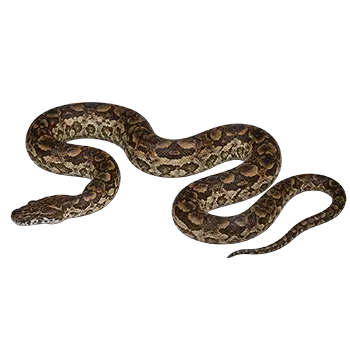

Madagascar offers one of the most rewarding and challenging wildlife observation experiences on Earth, and seeking out Dumeril's Boa in its native habitat adds a compelling dimension to any visit to the island's western and southern regions. The species inhabits the dry deciduous forests and spiny thickets that characterize the western and southwestern lowlands, a landscape of seasonal extremes where lush green canopy during the wet season gives way to stark, leafless woodland during the long dry months. The best opportunities for encountering wild Dumeril's Boas are found in and around the protected areas that preserve remnants of this threatened habitat.
Kirindy Forest, located north of Morondava in western Madagascar, is widely regarded as one of the most reliable sites for observing Dumeril's Boa in the wild. The forest supports a healthy population of the species, and experienced local guides know the areas where boas are most frequently encountered. Night walks along established trails offer the highest probability of sighting, as the species is primarily nocturnal and most active during the warmer months of the wet season from November through March. The boas are often found coiled among the roots of large trees, along the edges of seasonal watercourses, or positioned in ambush along animal trails used by their rodent and tenrec prey.
Other protected areas with documented Dumeril's Boa populations include the Tsingy de Bemaraha Strict Nature Reserve and National Park, Zombitse-Vohibasia National Park, and Kirindy Mitea National Park. Each of these sites offers a distinct experience in terms of habitat type, accessibility, and the diversity of other wildlife that can be observed alongside the boa. Zombitse-Vohibasia, situated along the main highway between Toliara and Isalo, is among the most accessible of these sites and provides opportunities to see both Dumeril's Boa and the closely related Madagascar Ground Boa within a single visit.
Successful observation of wild Dumeril's Boas requires patience, appropriate timing, and above all the services of a skilled local guide. The species' cryptic coloration makes it extraordinarily difficult to spot without trained eyes, and even experienced herpetologists visiting Madagascar for the first time routinely rely on local expertise to locate animals that they would almost certainly walk past unassisted. Hiring a local guide is not only the most effective strategy for wildlife observation but also directs tourism revenue to the communities that live alongside the species, reinforcing the economic case for conservation.