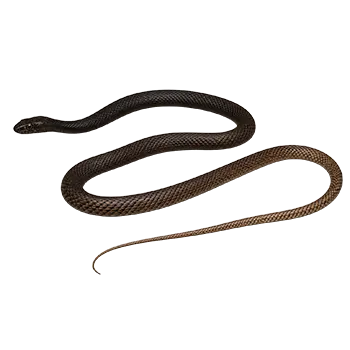

Successful transport of a Coachwhip begins well before the animal is placed in a travel container. The species' high-strung temperament and exceptional speed demand thorough preparation that accounts for the specific challenges of moving a large, active, and easily stressed colubrid snake. The first consideration is timing: whenever possible, transport should be scheduled during the cooler portions of the day in warm seasons and during the warmest hours in cold seasons, reducing the risk of thermal stress and minimizing the need for supplemental heating or cooling during transit.
Feeding schedules should be adjusted in advance of any planned transport. A Coachwhip should not be fed for at least 48 to 72 hours before travel to ensure that digestion is complete before the animal is subjected to the stress and temperature fluctuations of transit. Transporting a snake with a meal in its digestive tract significantly increases the risk of regurgitation, a physiologically stressful event that can lead to dehydration, esophageal irritation, and reluctance to feed after the journey is completed. For longer trips, extending the pre-travel fasting period to a full week is a reasonable precaution.
A pre-travel health assessment is advisable, particularly for long-distance moves or shipments. A Coachwhip that is already compromised by illness, injury, parasitic infection, or the stress of a recent shed cycle will tolerate travel poorly and may deteriorate during transit. Keepers should evaluate the animal's body condition, hydration status, respiratory function, and overall alertness before committing to transport. Any signs of respiratory infection, retained shed, external parasites, or abnormal posture should be addressed before travel is attempted.
Preparing documentation is an essential step that is frequently overlooked until the last moment. Depending on the origin, destination, and route of travel, transporting a Coachwhip may require a combination of collection permits, captive wildlife permits, interstate transport documentation, and veterinary health certificates. Assembling all necessary paperwork well in advance of the travel date avoids the stress of last-minute scrambling and reduces the risk of arriving at a state border or inspection station without the documentation needed to proceed legally.