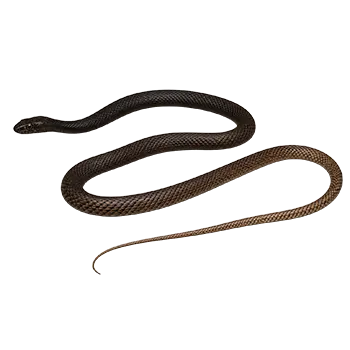

The Coachwhip has occupied a distinctive niche in American regional literature for well over a century, appearing most frequently in the nature writing and local color fiction of the South and Southwest. Writers working in these traditions found in the Coachwhip a compelling subject: a large, conspicuous, dramatically fast snake surrounded by a rich body of folk belief that provided ready-made narrative material. The species appears in collections of Appalachian and Ozark folklore published during the late nineteenth and early twentieth centuries, where accounts of Coachwhips chasing, whipping, and even strangling unwary travelers were recorded alongside other regional snake legends by folklorists seeking to document a vanishing oral tradition.
Naturalist writers of the twentieth century engaged with the Coachwhip from a different angle, using the species as a vehicle for exploring the tension between folk belief and scientific observation. Authors writing in the tradition of popular natural history frequently devoted passages to debunking the whipping myth while simultaneously acknowledging its cultural tenacity. These accounts typically described the writer's own field encounters with Coachwhips, emphasizing the snake's genuine attributes of speed, alertness, and visual acuity as more remarkable than any fictional ability to chase and punish humans. The result was a body of nature writing that treated the Coachwhip as an exemplary case study in how folklore both preserves and distorts knowledge of the natural world.
In Southern Gothic and Southwestern fiction, the Coachwhip has appeared as an atmospheric element contributing to the sense of place that defines those literary traditions. The snake's association with sun-baked landscapes, rural isolation, and superstitious communities made it a natural fit for stories exploring the tensions between modernity and tradition in the American countryside. While rarely a central plot element, the Coachwhip's presence in these narratives served to establish setting and mood, evoking the specific sensory experience of landscapes where large, fast-moving snakes are a routine part of daily life.
Contemporary nature and environmental writing continues to engage with the Coachwhip, often framing the species within broader discussions of habitat loss, biodiversity conservation, and the challenge of fostering coexistence between human communities and native wildlife. These more recent literary treatments tend to foreground the snake's ecological role and conservation status while acknowledging the cultural history that has made the Coachwhip one of the most talked-about snakes in the American herpetofauna.