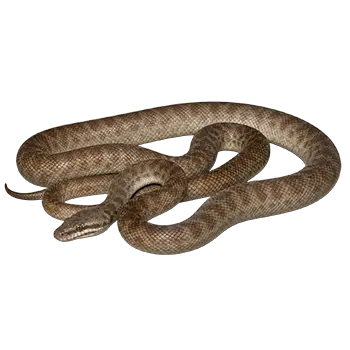

The Children's Python's small size and generally calm temperament make it one of the easier snake species to transport by car. The standard method involves placing the snake in a cloth bag or pillowcase, which is then secured inside a rigid, ventilated container such as a small plastic tub with air holes or a dedicated reptile transport box. The cloth bag provides darkness and confinement that help to keep the snake calm, while the outer container prevents the bag from shifting during the journey and adds a layer of escape security.
Temperature management is an important consideration during car travel, particularly in Australia where extreme heat is a common hazard. During warm weather, vehicle air conditioning should be used to maintain a comfortable temperature within the car, and the transport container should never be left in an unattended vehicle where interior temperatures can rise to lethal levels within minutes. In cooler conditions, a heat pack wrapped in a cloth barrier can be placed in the transport container to maintain warmth, though direct contact between the heat source and the snake must be avoided.
For short trips such as veterinary visits or local reptile society meetings, minimal preparation is needed beyond secure containment and temperature awareness. For longer road trips, such as interstate relocations or travel to distant reptile expos, additional planning is advisable. Avoid feeding the snake for several days before travel to reduce the risk of regurgitation, and minimize handling and disturbance during the journey to keep stress levels low.
Keepers in Australia should be aware that interstate transport of reptiles may require a permit, and the snake's license documentation should be carried during any journey. Even within a single state, it is good practice to have the reptile keeping license and any relevant identification documents readily available in case of a roadside inspection or inquiry by wildlife authorities.