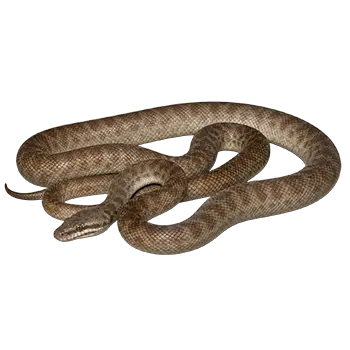

Species-Specific Legislation

The Children's Python is an Australian native species, and its legal status is shaped primarily by Australian federal and state wildlife protection laws. Under Australia's Environment Protection and Biodiversity Conservation Act, all native wildlife is protected, and the collection of wild Children's Pythons without appropriate permits is prohibited. The species is not currently listed as threatened or endangered, but its protected status means that all captive animals must be sourced from legally established breeding populations.

At the state and territory level, the Children's Python is one of the most commonly permitted reptile species for private keeping. Most Australian states classify it within their lowest or most accessible reptile license category, reflecting its small size, docile temperament, and well-established captive populations. However, the specific licensing requirements, fees, and record-keeping obligations vary by jurisdiction, and keepers must comply with the regulations of their particular state or territory.

Internationally, the Children's Python is not individually listed under CITES, but Australia's blanket prohibition on wildlife exports means that the species cannot be legally exported from the country. Captive populations outside Australia have been established from animals that were exported before current restrictions were enacted or through limited authorized transfers. In countries where the species is available, it is typically subject to whatever general exotic animal or reptile regulations apply in that jurisdiction.

The legal landscape for Children's Python keeping is generally more straightforward than for many other reptile species, owing to the snake's widespread availability in Australian captive breeding programs and its classification as a low-risk species. Nevertheless, keepers are responsible for understanding and complying with all applicable regulations, and ignorance of licensing requirements is not accepted as a defense against regulatory violations.

Ownership Requirements

In most Australian states and territories, keeping a Children's Python requires a reptile keeper's license. The licensing process typically involves completing an application, paying a fee, and agreeing to comply with a code of practice that specifies minimum standards for enclosure size, environmental conditions, and record keeping. In several jurisdictions, the Children's Python falls into the most basic license category, making it one of the easiest native reptile species for new keepers to acquire legally.

License holders are generally required to maintain records of their animals, including species, sex, acquisition date, and source. Some jurisdictions also require notification of births, deaths, and transfers of ownership. These record-keeping requirements serve both regulatory and conservation purposes, allowing wildlife authorities to monitor the size and health of captive populations and to detect any unauthorized collection from the wild.

Age restrictions may apply to reptile keeping licenses in some jurisdictions. In states where minors are unable to hold a license in their own name, a parent or guardian must be the license holder and bear legal responsibility for the animal's care and containment. This requirement reflects the broader regulatory principle that reptile keeping involves legal obligations that must be assumed by a responsible adult.

Outside Australia, ownership requirements for Children's Pythons are determined by the exotic animal regulations of the relevant country, state, or municipality. In some jurisdictions, no permit is required for non-native, non-venomous snakes, while others may require registration, permits, or compliance with specific housing standards. Prospective owners outside Australia should research their local regulations thoroughly before acquiring a Children's Python.

Liability & Insurance

Liability considerations for Children's Python owners are generally less complex than for keepers of larger or more defensive snake species, but they are not negligible. The Children's Python is non-venomous and its bite, while possible, poses minimal risk of serious injury to humans. Nevertheless, owners may face liability if their animal causes injury or distress to others, particularly in jurisdictions that impose strict liability on exotic animal owners.

In Australia, the liability framework for reptile-related injuries varies by state and is influenced by common law principles of negligence and statutory duty of care. Keepers are expected to maintain secure enclosures that prevent escape and to exercise reasonable care when handling their animals in the presence of others. Failure to meet these standards can result in liability for any resulting injuries, even if the injury itself is minor.

Homeowner's and renter's insurance policies in Australia and other countries may exclude coverage for incidents involving exotic pets. Children's Python owners should review their insurance policies to determine whether their animals are covered and should consider obtaining supplemental coverage if necessary. While the risk of significant injury from a Children's Python is low, the financial and legal consequences of an uninsured incident can be disproportionate to the severity of the event.

In shared living situations, reptile owners may face additional scrutiny from landlords, property managers, and housemates. Clear communication about the presence of a snake in the household, combined with secure and well-maintained housing for the animal, can help to prevent misunderstandings and reduce the potential for liability issues. Written agreements with landlords or property managers regarding reptile keeping are advisable wherever possible.

Housing & Zoning Restrictions

Housing and zoning restrictions affecting Children's Python ownership vary by jurisdiction and property type. In Australia, most residential zones permit the keeping of licensed reptile species, but some local councils have enacted bylaws that restrict or regulate exotic animal keeping within their boundaries. Keepers should check with their local council to confirm that reptile keeping is permitted at their specific address before acquiring an animal.

Rental properties present particular challenges for reptile keepers. Many standard lease agreements in Australia include clauses that restrict or prohibit pet ownership, and these clauses may or may not distinguish between conventional pets and reptiles. In some states, recent legislative reforms have limited landlords' ability to refuse pet ownership outright, but the application of these reforms to reptile keeping varies and may depend on the specific wording of the lease and the relevant state legislation.

Strata-titled properties, including apartments and townhouses, may be subject to additional restrictions imposed by the body corporate or owners' corporation. These restrictions can include outright bans on exotic animals or requirements for prior approval before a reptile may be kept on the premises. Children's Python owners living in strata properties should review their building's bylaws and seek written approval from the body corporate before bringing an animal into their home.

Enclosure standards may also be specified by law or by codes of practice associated with reptile keeping licenses. These standards typically address minimum enclosure dimensions, security features such as locks or latches, and environmental requirements including heating and ventilation. Compliance with these standards is a condition of the reptile keeping license and is subject to inspection by wildlife authorities in some jurisdictions.

Import & Export Regulations

Australia's wildlife export laws are among the strictest in the world, and the Children's Python is subject to a blanket prohibition on export. Under the Environment Protection and Biodiversity Conservation Act, it is illegal to export live native wildlife from Australia without explicit federal authorization, which is granted only in exceptional circumstances such as approved scientific research programs or accredited zoo exchanges. This prohibition applies to both wild-caught and captive-bred animals and is enforced with significant criminal penalties.

The export ban means that the international availability of Children's Pythons is limited to animals descended from stock that was exported before current restrictions were enacted or through the small number of authorized transfers that have occurred over the decades. Captive populations in Europe, North America, and Asia are self-sustaining but relatively small compared to the large domestic population in Australia. This limited availability has implications for genetic diversity in international captive populations and has occasionally led to higher prices for the species in overseas markets.

Importing reptiles into Australia is equally restricted. Strict biosecurity laws prohibit the importation of live reptiles into the country, with very limited exceptions for approved research and conservation purposes. These import restrictions reflect Australia's commitment to protecting its native biodiversity from exotic diseases, parasites, and invasive species that could be introduced through the live animal trade.

Within Australia, interstate transfers of Children's Pythons are regulated at the state level. Most states require keepers to obtain a transport or transfer permit before moving an animal across state borders, and the receiving party must hold a valid reptile keeping license in their state. The specific permit requirements, fees, and processing times vary by jurisdiction, and keepers planning an interstate transfer should contact the relevant wildlife authorities in both the sending and receiving states well in advance.

Rescue, Rehoming & Surrender Law

The rescue and rehoming of Children's Pythons in Australia is governed by the same licensing and record-keeping frameworks that apply to all captive reptile transactions. When an owner can no longer care for a Children's Python, the animal must be transferred to another licensed keeper, surrendered to an authorized rescue organization, or returned to a licensed breeder or dealer. The transfer must be documented in accordance with the record-keeping requirements of the relevant state, and both parties must hold valid reptile keeping licenses.

Reptile rescue organizations across Australia accept surrendered Children's Pythons, and the species' popularity means that rehoming placements can usually be found relatively quickly. However, rescue groups report that the volume of surrendered Antaresia pythons can be substantial, particularly following periods when the species has received heightened media attention or when economic conditions lead to increased pet surrenders. Rescue organizations may charge surrender fees to offset the costs of intake, veterinary assessment, and temporary housing.

The release of captive Children's Pythons into the wild is illegal and ecologically irresponsible, even in areas where the species occurs naturally. Released captive animals may carry diseases or parasites that could be transmitted to wild populations, and animals that have been kept in captivity may not have the behavioral competence to survive in the wild. Wildlife authorities treat the unauthorized release of captive reptiles as a serious offense and may impose significant penalties on offenders.

Keepers who are considering surrendering a Children's Python should explore all available options before doing so. Local herpetological societies often maintain rehoming networks that can connect owners with prospective adopters, and online community groups can help to facilitate transfers between licensed keepers. Reaching out to the original breeder is also a viable option, as many responsible breeders are willing to accept animals back into their care. Planning ahead and acting responsibly during the rehoming process is an important part of the ethical commitment that comes with reptile ownership.

Always consult a qualified professional before making any health-related decisions. This content is provided for informational reference only and should not replace professional guidance specific to your animal.