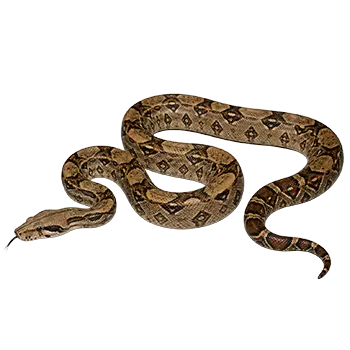

The boa constrictor has been a go-to species for filmmakers seeking to portray serpentine menace or exotic atmosphere. Horror and adventure films have frequently cast large constrictors as antagonists, capitalizing on the primal unease many audiences feel toward snakes. Movies in the creature-feature genre have used the boa constrictor name directly in their titles, cementing the species' association with cinematic thrills, even when the on-screen depictions take considerable liberties with actual boa behavior and size.
Television has also made extensive use of boa constrictors. Wildlife documentaries regularly feature the species as a charismatic subject, highlighting its hunting technique, natural habitats, and relationship with human communities. These programs have done much to educate viewers about the realities of boa constrictor biology, offering a counterpoint to the exaggerated portrayals found in fiction. Nature channels have produced dedicated specials following researchers working with wild boa populations in the rainforests of Central and South America.
Boa constrictors have appeared in numerous TV dramas, comedies, and reality shows as well. Characters who keep exotic pets are frequently depicted with a boa draped around their shoulders, using the snake as a visual shorthand for an unconventional or daring personality. Reality television programs focused on animal rescue and wildlife control regularly feature boa constrictors found in unexpected locations, adding an element of spectacle to their episodes.
Despite their frequent casting as fearsome creatures, boa constrictors used in film and television productions are almost always calm, captive-bred animals supplied by professional animal wranglers. These trained animals behave predictably on set, and their docile nature stands in stark contrast to the menacing roles they are asked to play. This gap between the real animal and its on-screen persona is one of the most enduring ironies of the boa's media presence.