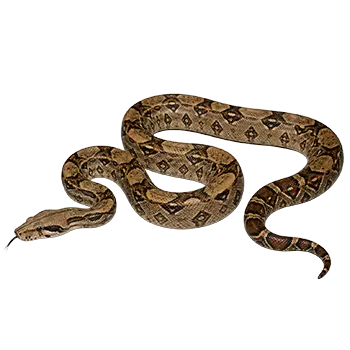

Boa constrictors occupy a complex position in exotic animal legislation. In the United States, the species was the subject of significant federal regulatory debate when it was considered for inclusion under the Lacey Act as an injurious species. While some large constrictor species were ultimately listed, the boa constrictor's regulatory status has varied over time, and prospective owners should verify current federal rules before acquiring an animal.
At the state level, regulations governing boa constrictor ownership vary dramatically. Some states permit ownership with no special requirements, while others classify boas as restricted or prohibited species. States with large established reptile-keeping communities have generally maintained legal ownership pathways, though permit requirements, size limits, and registration mandates may apply. A handful of states ban private ownership of large constrictors entirely.
Local municipalities may impose additional restrictions beyond state law. City and county ordinances addressing exotic animal ownership can affect boa constrictor keepers even in states where the species is otherwise legal. These local rules may include enclosure specifications, escape-prevention requirements, liability insurance mandates, or outright bans within city limits.
Internationally, boa constrictor regulations reflect the wide range of attitudes toward exotic pet keeping. The European Union, Australia, and various Asian and African nations each maintain their own frameworks governing the import, sale, and private keeping of constrictors. Prospective owners living outside the United States should research their national and regional laws thoroughly before acquiring a boa constrictor.