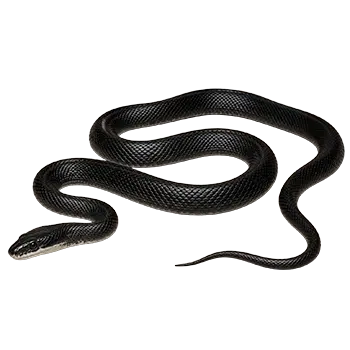

The Black Rat Snake is one of the most accessible large snake species for wildlife enthusiasts traveling through the eastern United States, and encountering one in the wild is a highlight for many naturalists and field herpers. The species' broad distribution across the eastern half of the continent, from southern New England through the Appalachian highlands and into the upper Southeast, means that travelers passing through a wide variety of landscapes have a reasonable chance of observing the species during the warmer months. Unlike many reptile species that are cryptic, nocturnal, or restricted to remote habitats, the Black Rat Snake is frequently encountered along roads, trails, field edges, and the peripheries of human structures, making it one of the most reliably observable large snakes in the region.
Wildlife tourism operations and nature-based travel experiences in the eastern United States increasingly incorporate reptile observation as a component of their offerings. Guided nature walks in national and state parks within the species' range often include information about the Black Rat Snake, and knowledgeable guides can direct visitors to habitat features such as rocky outcrops, old stone walls, abandoned building foundations, and forest-edge ecotones where encounters are most likely. Some herpetological societies and nature education organizations offer dedicated field herping excursions that specifically target snake species including the Black Rat Snake, providing participants with expert guidance on identification, behavior, and safe observation techniques.
The practice of field herping, or recreational searching for wild reptiles and amphibians, has grown substantially in recent decades and the Black Rat Snake is among the most sought-after species for practitioners of this pastime in the eastern United States. Field herpers typically travel to productive habitats during optimal seasonal and weather conditions, searching for snakes by walking trails, scanning road surfaces, and carefully checking cover objects such as rocks, logs, and discarded debris. The Black Rat Snake's large size and relatively bold behavior make it more detectable than many smaller and more secretive species, and a successful encounter with a large adult is a rewarding experience that draws enthusiasts back to the field repeatedly.
Photographic tourism centered on wildlife has also contributed to the Black Rat Snake's profile as a travel-related species. Nature photographers visiting the Appalachian Mountains, the Shenandoah Valley, the Great Smoky Mountains, and other scenic regions within the species' range frequently encounter and photograph Black Rat Snakes as part of broader efforts to document the wildlife of these areas. The snake's photogenic qualities, including its glossy black coloration and the subtle iridescence visible on its scales in natural light, make it a desirable photographic subject, and images of Black Rat Snakes in scenic natural settings are among the most widely published reptile photographs from the eastern United States.