
Film & Television

The Black-Headed Python has made occasional but memorable appearances in wildlife documentaries and nature television programming. Australian-produced series exploring the fauna of the Top End and the Kimberley region have frequently featured the species, using its dramatic black-and-banded appearance to captivate audiences. These documentary segments typically highlight the snake's unusual hunting behavior, particularly its tendency to prey on other reptiles, including venomous species, which provides compelling footage and a natural narrative hook.

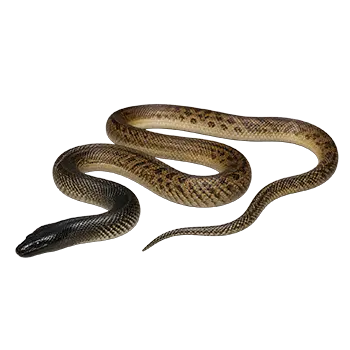
International nature documentary franchises have also showcased the Black-Headed Python when covering Australian wildlife. Episodes focusing on the world's python diversity or Australia's unique reptile fauna often devote segments to the species, emphasizing its basal evolutionary position and its ecological role as a reptile predator. The visual contrast of the jet-black head emerging from leaf litter or a rocky crevice translates exceptionally well to high-definition filmmaking, and cinematographers frequently use close-up shots of the head to create striking imagery.

In fictional film and television, the Black-Headed Python has not achieved the same level of recognition as more commonly depicted snakes such as cobras or rattlesnakes. However, the species has appeared as a background animal in Australian-set productions and has been used by animal wranglers on film sets when a visually distinctive but relatively calm snake is needed. Its docile temperament compared to many other large snake species makes it a practical choice for controlled filming environments.

Wildlife television personalities working in Australia have contributed to the species' on-screen profile. Presenters known for their hands-on approach to reptile education have handled Black-Headed Pythons on camera, often using the opportunity to discuss the snake's unique characteristics and to challenge common misconceptions about pythons. These appearances have helped introduce the species to mainstream audiences who might not otherwise encounter it.

Literature & Art

In scientific and popular natural history literature, the Black-Headed Python has been a subject of fascination since its first description in the nineteenth century. Herpetological field guides covering Australian reptiles invariably include detailed accounts of the species, and several have used photographs or illustrations of the Black-Headed Python on their covers, recognizing its visual appeal and its status as a quintessentially Australian reptile. These publications have played an important role in disseminating knowledge about the species to both professional herpetologists and amateur naturalists.

The species features in Aboriginal Australian art traditions, where serpent imagery holds deep cultural significance. While specific depictions vary among language groups and artistic styles, snakes are among the most commonly represented animals in Indigenous Australian rock art, bark painting, and contemporary canvas work. The Black-Headed Python's distinctive silhouette, with its dark head and banded body, makes it identifiable in some artistic representations, though many serpent figures in Aboriginal art carry broader totemic and Dreamtime associations that transcend individual species identification.

Contemporary wildlife artists and illustrators have been drawn to the species for its striking color pattern. The sharp delineation between the black head and the warm-toned body presents an appealing compositional challenge, and detailed renderings of the species appear regularly in reptile-focused art prints, calendar publications, and gallery exhibitions. Australian wildlife art, in particular, has embraced the Black-Headed Python as a subject that showcases the continent's unique biodiversity.

In the realm of popular reptile keeping literature, the Black-Headed Python occupies a prominent position. Books and guides dedicated to Australian python husbandry devote substantial chapters to the species, reflecting its importance within the herpetoculture community. These publications blend practical care information with natural history, contributing to a body of literature that has helped shape how keepers and enthusiasts understand and appreciate the species.

Internet & Social Media

The rise of social media and online reptile communities has significantly boosted the Black-Headed Python's visibility beyond Australia. Platforms centered on image and video sharing have become important venues for keepers and breeders to showcase their animals, and the species' photogenic qualities make it a frequent subject of viral posts. High-quality photographs highlighting the glossy black head against the patterned body regularly attract substantial engagement from reptile enthusiasts and general audiences alike.

Online reptile forums and community groups have served as important knowledge-sharing platforms for Black-Headed Python keepers. Dedicated threads and discussion groups cover topics ranging from husbandry techniques and breeding records to veterinary care and habitat design. These digital communities have connected keepers across geographic boundaries, enabling the exchange of information that was previously available only through local reptile societies or specialized publications.

Video-sharing platforms have become a significant medium for Black-Headed Python content. Keepers and breeders produce videos documenting feeding, handling, enclosure setups, and breeding projects, while wildlife filmmakers share field footage of wild specimens. Educational content creators have used the species to discuss broader topics such as python evolution, Australian biodiversity, and responsible reptile keeping, reaching audiences that extend well beyond the dedicated herpetoculture community.

The species has also become a subject of interest within the broader trend of wildlife appreciation on social media. Posts featuring unusual or visually striking animals frequently gain traction among general audiences, and the Black-Headed Python's appearance reliably generates curiosity and conversation. Comments on viral posts often include questions about the snake's behavior, diet, and conservation status, creating organic opportunities for public education about the species and about reptiles in general.

Advertising & Branding

The Black-Headed Python has not been widely used in mainstream commercial advertising in the way that some more universally recognized animals have. However, within niche markets related to wildlife tourism, reptile products, and Australian natural heritage, the species' image carries considerable brand value. Australian wildlife parks and ecotourism operators frequently use photographs of Black-Headed Pythons in promotional materials, leveraging the species' visual impact to attract visitors interested in encountering native reptiles.

In the reptile keeping industry, the Black-Headed Python's image appears on product packaging, breeder websites, and event promotional materials. Reptile expos and herpetological society events in Australia often feature the species in their visual branding, recognizing its status as one of the country's most admired native pythons. The species' association with expertise and dedication in the keeping community makes it an effective emblem for events and organizations that cater to serious herpetologists.

Australian conservation organizations have occasionally used the Black-Headed Python in campaigns aimed at raising awareness about the ecological challenges facing northern Australia's wildlife. The species' charisma and visual distinctiveness make it an effective ambassador for conservation messaging, helping to communicate complex ecological issues to broad audiences. These campaigns often emphasize the interconnectedness of species within ecosystems and the importance of habitat protection.

The species has also appeared in educational materials produced by museums, zoos, and wildlife agencies. Interpretive signage, brochures, and digital content featuring Black-Headed Pythons are used to engage the public with themes of biodiversity, evolution, and the ecological significance of predators. In these contexts, the species serves not as a commercial brand element but as a representative of Australia's natural heritage, helping institutions fulfill their educational missions.

The Popularity Effect

The Black-Headed Python's growing visibility in media and online culture has had tangible effects on the species' popularity within the reptile keeping hobby. As images and videos of the species reach wider audiences, interest in keeping Black-Headed Pythons has increased, driving demand for captive-bred animals. This heightened demand has had both positive and potentially concerning consequences, as it has incentivized breeding programs while also attracting newcomers who may not be fully prepared for the species' specific husbandry requirements.

Within Australia, where the reptile keeping hobby is regulated by state and territory governments, increased interest in the Black-Headed Python has prompted ongoing discussions about licensing, captive breeding standards, and the ethics of keeping native species. The species' relatively high value in the reptile market has occasionally made it a target for illegal collection from the wild, a concern that wildlife authorities and conservation organizations have worked to address through enforcement and public education.

Internationally, the species' media profile has contributed to its desirability among collectors in countries where it is legally available. Captive-bred specimens exported from Australia, or bred from legally held founder stock in other countries, command premium prices that reflect the species' status and the challenges of its husbandry. This international market has fostered a global community of Black-Headed Python enthusiasts who share knowledge and breeding results across borders.

The broader cultural impact of the species' popularity extends beyond the keeping community. By attracting public attention to a uniquely Australian reptile, the Black-Headed Python has contributed to a growing appreciation for reptile diversity and conservation. Media coverage and social media engagement have helped challenge negative perceptions of snakes and have fostered a more nuanced public understanding of these animals' ecological importance. In this sense, the Black-Headed Python's media presence serves a role that extends well beyond entertainment, contributing to shifting cultural attitudes toward reptiles and their conservation.

Always consult a qualified professional before making any health-related decisions. This content is provided for informational reference only and should not replace professional guidance specific to your animal.