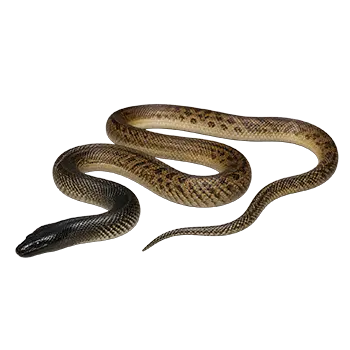

The Black-Headed Python is a protected species under Australian federal and state wildlife legislation. As a native Australian reptile, it falls under the provisions of the Environment Protection and Biodiversity Conservation Act 1999 at the federal level, which regulates the export and trade of native wildlife. Each Australian state and territory also maintains its own wildlife protection laws that govern the taking, keeping, and sale of native reptiles within their jurisdictions. These overlapping layers of regulation mean that the legal framework surrounding the species is complex and varies depending on location.
In most Australian states and territories where the species occurs naturally, wild collection of Black-Headed Pythons is prohibited without specific scientific or management permits. This prohibition is designed to protect wild populations from the commercial pressures that historically led to declines in some reptile species. The penalties for illegal collection can be substantial, including significant fines and potential imprisonment, reflecting the seriousness with which Australian authorities treat wildlife crime.
Australia's approach to native wildlife protection is rooted in the principle that wild animals are a public resource held in trust by the government. This legal philosophy underpins the licensing systems that regulate who may keep native reptiles and under what conditions. The Black-Headed Python's status as a desirable and relatively high-value species in the reptile trade means that it receives particular attention from wildlife enforcement agencies, who monitor legal holdings and investigate suspected illegal trade.
Internationally, the species is not currently listed under the Convention on International Trade in Endangered Species of Wild Fauna and Flora, as it is not considered globally threatened. However, Australia's domestic export restrictions effectively limit the international movement of Black-Headed Pythons to specimens that were legally exported before current regulations took effect or that have been bred from legally held stock outside Australia. These restrictions have shaped the global availability of the species and influenced its market value in the international reptile trade.