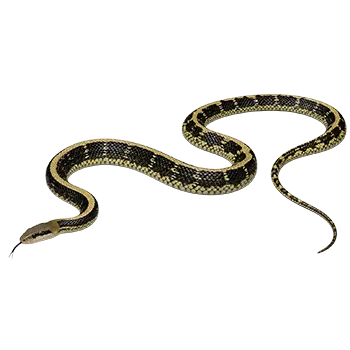

For herpetology enthusiasts and wildlife travelers, observing the Beauty Snake in its native habitat offers an experience that no captive encounter can replicate. The species' extensive range across East and Southeast Asia encompasses a remarkable diversity of landscapes, from the misty subtropical forests of Taiwan's Central Mountain Range to the dramatic limestone karst formations of southern China and peninsular Malaysia. Each region offers a distinct context for encountering the species, shaped by local topography, climate, and the particular subspecies or geographic form present in that area.
The Beauty Snake's behavioral characteristics make it a relatively rewarding species to seek out in the field compared to many other Asian colubrids. The species is semi-arboreal and frequently active during daylight hours, particularly during the warmer months of the year when ambient temperatures support sustained activity. Field observers report encountering Beauty Snakes basking on rock faces, moving through low vegetation, and exploring the margins of trails and forest clearings, behaviors that make the species more visible than the many strictly nocturnal or fossorial snakes that share its range. Late afternoon and early evening, as temperatures begin to moderate from their midday peak, tend to be particularly productive periods for encounters.
Seasonal timing is critical for maximizing the likelihood of wild encounters. In the temperate portions of the species' range, including Taiwan and much of southern China, Beauty Snakes are most active during the spring and early summer months, when they emerge from winter dormancy and engage in breeding activity that drives increased movement and visibility. In the more tropical portions of the range, including peninsular Malaysia and parts of mainland Southeast Asia, seasonal patterns are less pronounced, but activity levels still vary with rainfall patterns and temperature fluctuations. Local field guides and naturalist communities can provide invaluable guidance on the optimal timing and locations for seeking out the species in a particular region.
Ethical field observation practices are essential when seeking out Beauty Snakes or any wild reptile species. Observers should minimize disturbance to the animals and their habitat, avoiding the temptation to handle, restrain, or reposition wild snakes for photographic purposes. Turning rocks, logs, and other cover objects should be done carefully and the objects replaced exactly as found. In areas where the species is subject to collection pressure, sharing precise locality information publicly should be avoided, as detailed location data can attract commercial collectors and put local populations at risk.