
Preparing for Transport

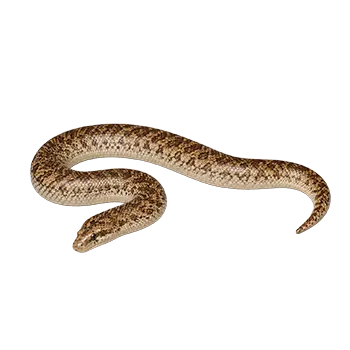
Successful transport of an Arabian Sand Boa begins well before the animal is placed in a travel container. The species' fossorial nature and sensitivity to temperature extremes mean that preparation requires careful attention to timing, container selection, and environmental control. Ideally, transport should be scheduled during moderate weather conditions, avoiding the extremes of summer heat and winter cold that can create dangerous temperature fluctuations inside shipping containers and vehicles. In regions where seasonal temperature swings are significant, spring and autumn provide the most favorable windows for moving sand boas.

The snake should be fasted for a minimum of five to seven days before transport to ensure that its digestive tract is empty. Transporting a snake with a recent meal in its stomach increases the risk of regurgitation, which can cause aspiration and other serious health complications, particularly in the confined and often jostled environment of a travel container. For Arabian Sand Boas, which typically feed on small prey items and digest relatively quickly, a five-day fasting period is generally sufficient for adults, while juveniles may require only three to four days.

A pre-transport health assessment is advisable, particularly for animals being shipped long distances or across international borders. Checking for signs of respiratory infection, external parasites, retained shed, or other health issues before departure reduces the risk of complications during transit and ensures that the animal arrives at its destination in good condition. For international shipments, a veterinary health certificate issued by a licensed reptile veterinarian may be required by the importing country's authorities, making a pre-transport veterinary visit a practical necessity as well as a husbandry best practice.

Gathering all required documentation before the day of transport is equally important. Depending on the nature of the journey, this may include CITES permits, veterinary health certificates, breeder registration documents, and proof of legal acquisition. Having these documents organized and readily accessible prevents delays at checkpoints, customs inspections, and courier drop-off points, all of which can extend the time the animal spends in transit.

Container & Packaging Requirements

The choice of transport container is one of the most critical factors in ensuring a safe journey for an Arabian Sand Boa. The standard practice in the reptile shipping industry is to place the snake in a cloth bag, such as a soft cotton or muslin drawstring bag, which is then placed inside an insulated shipping box. The cloth bag provides a snug, dark environment that reduces stress and limits the snake's movement, while the outer box provides structural protection and thermal insulation. For Arabian Sand Boas, which rarely exceed sixteen inches in length, a relatively small bag and box are sufficient, but the container should still allow enough space to accommodate heat or cold packs without direct contact with the animal.

Thermal management within the shipping container is essential given the Arabian Sand Boa's sensitivity to temperature extremes. During cold weather, heat packs rated for the expected duration of transit should be placed inside the box, separated from the snake's bag by a layer of crumpled newspaper or similar buffering material to prevent direct contact burns. During hot weather, phase-change cold packs can be used in the same manner to prevent overheating. The goal is to maintain the interior temperature of the container within a range of approximately seventy-five to eighty-five degrees Fahrenheit throughout the journey, which closely approximates the species' preferred temperature range.

The outer shipping box should be constructed of sturdy corrugated cardboard or, for particularly valuable or sensitive shipments, insulated foam-lined containers designed specifically for live animal transport. The box must be clearly labeled with live animal indicators, directional arrows showing which side should face up, and any regulatory labels required by the shipping method being used. Ventilation holes, if present, should be small enough to prevent the snake from escaping if it manages to exit the cloth bag, and they should be positioned to allow air exchange without creating direct drafts that could chill the animal.

For short-distance vehicle transport, such as trips to the veterinarian or moves between nearby locations, the packaging requirements are less stringent but the same principles apply. The snake should be secured in a bag or small, ventilated container placed inside a larger box or carrier that prevents rolling and impact. The container should be positioned in the vehicle where temperature is most stable, typically on the floor of the passenger compartment rather than in the trunk, where temperatures can fluctuate dramatically.

Ground Transportation

Ground transportation by personal vehicle is the most common method of moving Arabian Sand Boas over short to moderate distances, and it offers the keeper the greatest degree of control over conditions during transit. When transporting a sand boa by car, the animal should be placed in its travel container and secured so that the container cannot slide, tip, or be jostled by sudden stops or turns. Placing the container on the floor behind the front passenger seat, wedged in place with soft items such as towels or clothing, provides both stability and a relatively stable thermal environment.

Vehicle climate control should be set to maintain a comfortable interior temperature before the snake is brought into the car. During winter travel, the vehicle should be pre-warmed, and during summer travel, the air conditioning should be running and the interior cooled before loading the animal. Under no circumstances should a snake be left unattended in a parked vehicle, even briefly, as interior temperatures can reach lethal levels within minutes during warm weather and can drop below safe thresholds rapidly in cold conditions. If stops are necessary during a long drive, the snake's container should be brought inside with the keeper.

For longer road trips, such as relocations or journeys to reptile expos, additional planning is warranted. The route should be evaluated for expected travel time, potential delays, and the availability of climate-controlled rest stops if needed. Keeping a digital thermometer inside the shipping container allows the keeper to monitor conditions during the journey without repeatedly opening the container, which can cause stress and temperature fluctuations. Some keepers place a small battery-powered temperature data logger inside the box to create a continuous record of conditions during transit, which can be useful for identifying problems and refining transport protocols for future trips.

Commercial ground shipping services, such as those offered by specialized reptile couriers, provide an alternative to personal vehicle transport for keepers who need to ship animals to buyers or receive new acquisitions. These services typically operate on scheduled routes with climate-controlled vehicles and experienced handlers, offering a level of reliability that can exceed what an individual keeper achieves in a personal vehicle. However, availability varies by region, and costs can be significant, particularly for overnight or expedited shipments.

Air & Courier Shipping

Air shipping is the primary method for transporting Arabian Sand Boas over long distances, particularly for interstate sales in the United States, international shipments, and deliveries to buyers who are not within practical driving distance. In the United States, overnight courier services such as FedEx and UPS accept live reptile shipments under specific conditions, though policies and availability change periodically and must be verified before each shipment. At the time of writing, FedEx offers a live reptile shipping program that requires the shipper to have an approved account and to comply with detailed packaging, labeling, and scheduling requirements.

Preparing a shipment for air courier transport requires meticulous attention to packaging standards. The snake must be bagged and boxed according to the carrier's specifications, which typically mandate specific container dimensions, insulation requirements, and labeling formats. Shipments must be scheduled for overnight delivery to minimize time in transit, and most carriers restrict live animal shipments to certain days of the week and certain temperature windows. During periods of extreme heat or cold, carriers may impose shipping embargoes that prevent live animal shipments entirely, requiring the shipper to wait for more favorable conditions.

International air shipping adds layers of complexity related to customs clearance, CITES documentation, and the importing country's biosecurity and veterinary requirements. The shipper must ensure that all permits and certificates are included with the shipment and that the receiving party is prepared to clear the animals through customs upon arrival. Many international shipments are routed through specialized animal import-export brokers who handle the logistical and regulatory details on behalf of the shipper and receiver. These brokers charge fees for their services but provide expertise that can be essential for navigating the complexities of international wildlife trade regulations.

Regardless of the shipping method, communication between the shipper and receiver is critical. The receiver should be informed of the shipment's tracking number, expected delivery time, and any special handling instructions. Upon arrival, the receiver should unpack the animal promptly, inspect it for any signs of injury or distress, and place it in a prepared enclosure with access to appropriate temperature gradients and fresh water. Allowing the snake to rest undisturbed for at least forty-eight hours after arrival before offering food helps minimize the physiological stress of transport.

Species-Specific Transport Considerations

The Arabian Sand Boa's unique biology and behavioral characteristics introduce several transport considerations that differ from those applicable to many other commonly kept snake species. The species' strongly fossorial nature means that it derives a significant sense of security from being in contact with substrate on all sides. While most snakes tolerate the cloth bag method of transport well, sand boas can exhibit heightened stress when deprived of the ability to burrow. Including a small amount of clean, dry paper towel or unprinted newsprint loosely crumpled inside the transport bag can provide some textural stimulation that partially mimics the contact the snake is accustomed to in its substrate.

Temperature management during transport deserves particular attention for this species because of its desert origin. Although the Arabian Sand Boa tolerates a fairly broad temperature range in captivity, it is less tolerant of sustained cold exposure than many temperate-zone snake species commonly shipped in the reptile trade. Temperatures below sixty-five degrees Fahrenheit can cause lethargy, immune suppression, and digestive shutdown, while sustained exposure below fifty-five degrees can be life-threatening. When shipping during cooler months, additional heat packs or higher-grade insulation may be necessary compared to what would suffice for a more cold-tolerant species.

Conversely, the sand boa's desert adaptations do not confer unlimited heat tolerance. In the wild, the species escapes extreme surface temperatures by burrowing into cooler sand layers. Inside a sealed shipping container, where no such behavioral thermoregulation is possible, sustained temperatures above ninety degrees Fahrenheit can cause heat stress, dehydration, and potentially fatal overheating. Summer shipping therefore requires the same careful thermal management as winter shipping, with cold packs and adequate insulation to prevent the interior of the container from exceeding safe thresholds.

The species' small size and docile temperament do offer practical advantages during transport. Unlike larger or more defensive snake species that may damage transport bags or create handling challenges, Arabian Sand Boas are unlikely to cause complications during packing and unpacking. Their modest size means that transport containers can be compact and lightweight, reducing shipping costs for courier shipments and making personal vehicle transport straightforward. However, the snake's small size also makes it more vulnerable to rapid temperature changes, since its low body mass provides minimal thermal inertia to buffer against environmental fluctuations.

Post-Travel Care & Acclimation

The period immediately following transport is a critical window during which proper care can significantly affect the Arabian Sand Boa's recovery and long-term health. Upon arrival at its destination, the snake should be transferred from its shipping container to a prepared quarantine enclosure that provides the species' basic environmental requirements: an appropriate sand or sand-mix substrate deep enough for burrowing, a thermal gradient with a warm spot of approximately ninety degrees Fahrenheit and a cool side around eighty degrees, low humidity, and a shallow water dish. The enclosure should be placed in a quiet area away from household traffic, other pets, and sources of vibration or loud noise.

The snake should be left completely undisturbed for a minimum of forty-eight to seventy-two hours after arrival. During this initial acclimation period, handling should be avoided entirely, and interactions with the enclosure should be limited to visual checks that can be conducted without opening the enclosure or disturbing the substrate. Arabian Sand Boas that have been stressed by transport will typically burrow immediately upon being placed in substrate and may remain completely buried for several days. This behavior is normal and should not be cause for concern unless it persists for more than a week without any sign of the snake emerging to thermoregulate or drink.

The first feeding attempt should be delayed until at least five to seven days after arrival, and the initial meal should be smaller than the snake's normal prey size to minimize the risk of regurgitation. A recently transported sand boa may refuse its first feeding attempt, which is not unusual and should not prompt immediate concern. If the snake refuses food on the first attempt, waiting an additional five to seven days before trying again is generally sufficient. Persistent feeding refusal beyond three to four weeks may warrant evaluation of husbandry conditions, particularly temperature and substrate depth, as well as a veterinary consultation if no husbandry issues are identified.

For newly acquired animals, the post-travel quarantine period should extend for a minimum of thirty days, during which the new snake is housed separately from any existing collection and monitored for signs of illness, parasites, or other health issues that may not have been apparent at the time of purchase. This quarantine practice protects both the new animal and any existing snakes in the keeper's collection from the transmission of pathogens that could be activated or spread under the stress of transport and environmental change.

Always consult a qualified professional before making any health-related decisions. This content is provided for informational reference only and should not replace professional guidance specific to your animal.