
Film & Television

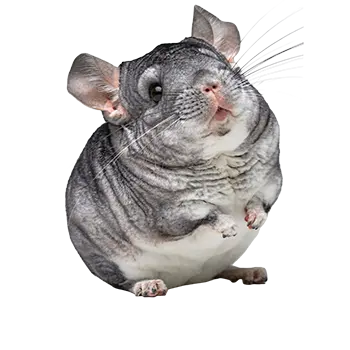
Chinchillas have made occasional but memorable appearances in film and television, typically cast in roles that capitalize on their distinctive appearance and soft, round proportions. Their large eyes, oversized ears, and impossibly fluffy fur make them naturally photogenic, and filmmakers have used them to evoke reactions of delight and surprise from audiences unfamiliar with the species.

In animated productions, chinchilla-inspired characters have appeared in several family-oriented films and series. Animators are drawn to the chinchilla's expressive face and round body shape, which translate well into character design. While chinchillas have not yet achieved the iconic animated status of mice or rabbits, their growing visibility in animation reflects increasing public awareness of the species.

Live-action appearances tend to be brief but impactful. Chinchillas have appeared in sitcoms, comedies, and reality television, often in scenes designed to showcase their unusual softness or their entertaining dust-bathing behavior. These moments introduce millions of viewers to an animal they may never have encountered in person, generating curiosity and interest that frequently leads viewers to research chinchilla ownership.

Documentary programming has also featured chinchillas, particularly in nature documentaries covering Andean wildlife and in segments about exotic pet care. These educational presentations provide context about the chinchilla's wild origins, conservation status, and care requirements, offering a more nuanced portrait than the brief comedic appearances found in entertainment programming.

Literature & Art

Chinchillas appear in literature primarily within the contexts of natural history, conservation writing, and children's fiction. Early European accounts of South American wildlife described the chinchilla with fascination, emphasizing the extraordinary quality of its fur and the difficulty of observing the shy, nocturnal animals in their rocky mountain habitat. These accounts contributed to the chinchilla's mystique and helped fuel demand for its fur in European markets.

In children's literature, chinchillas have been featured as characters in picture books and early reader series that introduce young audiences to less common companion animals. These stories typically emphasize the chinchilla's playful nature, its need for specialized care, and the rewards of building trust with a cautious, gentle animal. While chinchilla-centric children's books are not as numerous as those featuring dogs, cats, or rabbits, the genre has grown as the pet chinchilla community has expanded.

Conservation literature has given the chinchilla a more somber literary identity. The story of the chinchilla's near extinction at the hands of the fur trade appears frequently in books about endangered species, wildlife exploitation, and the ethics of the fashion industry. These accounts position the chinchilla as an emblem of human impact on vulnerable species and use its story to argue for stronger wildlife protections.

In visual art, chinchillas have become popular subjects for illustrators, digital artists, and crafters, particularly within online communities. Fan art, watercolor portraits, and stylized illustrations of chinchillas circulate widely on art-sharing platforms, reflecting the animal's visual appeal and the affection of its owners. The chinchilla's distinctive silhouette — round body, large ears, bushy tail — lends itself well to graphic design and logo work.

Internet & Social Media

The internet has been transformative for the chinchilla's cultural profile. Social media platforms have given chinchilla owners a global stage on which to share photos, videos, and stories of their animals, and the chinchilla's inherent visual appeal has made it a natural fit for platforms that prioritize short-form visual content. Videos of chinchillas taking dust baths, bouncing off walls during playtime, and nibbling treats with their tiny paws routinely attract millions of views.

Several chinchilla-focused social media accounts have amassed large followings, turning individual animals into minor celebrities. These accounts showcase the chinchilla's personality — its curiosity, its startled reactions, its evident enjoyment of dust baths and chin scratches — in ways that endear the species to viewers who may never have seen a chinchilla in person. The shareability of this content has made the chinchilla one of the most recognizable exotic pets online.

Online communities dedicated to chinchilla care have become essential resources for owners. Forums, social media groups, and dedicated websites provide detailed guidance on diet, housing, health, and behavior, drawing on the collective experience of thousands of keepers worldwide. These communities also serve as support networks, offering comfort when owners face health crises and celebrating milestones like birthdays and adoption anniversaries.

The chinchilla meme ecosystem, while smaller than those surrounding cats or dogs, is vibrant and growing. The animal's round shape, perpetually surprised expression, and dramatic dust-bathing routine have inspired a steady stream of humorous content. This lighthearted material serves as an accessible entry point for people discovering chinchillas for the first time, often sparking deeper interest in the species and its care.

Advertising & Branding

The chinchilla's most prominent association in advertising has historically been with the luxury goods and fashion industries. For much of the twentieth century, chinchilla fur was marketed as the pinnacle of luxury, and advertisements for fur coats, stoles, and accessories prominently featured the chinchilla name and image. This commercial association gave the word chinchilla connotations of exclusivity, softness, and premium quality that extended beyond the animal itself.

As attitudes toward fur have shifted, the chinchilla's branding associations have evolved. The word chinchilla is now used metaphorically in product marketing to connote extreme softness, appearing in the names and descriptions of textiles, blankets, cosmetics, and personal care products. A fabric marketed as having a chinchilla feel or a lotion described as chinchilla-soft borrows the animal's reputation without involving its actual fur.

Pet industry brands have increasingly used chinchilla imagery in their marketing, reflecting the animal's growing popularity as a companion. Companies selling small-animal supplies, hay, and treats feature chinchillas in advertisements and on packaging, appealing to the dedicated community of chinchilla owners who are often willing to invest in premium products for their long-lived pets.

The chinchilla's commercial identity is thus undergoing a generational shift. Where older consumers may associate the chinchilla primarily with fur luxury, younger audiences are more likely to think of the animal as a beloved pet, a social media star, or a conservation success story. This shift in brand perception mirrors the broader cultural transition from viewing chinchillas as commodities to valuing them as companion animals.

The Popularity Effect

Media exposure has had a significant impact on interest in chinchillas as pets. Viral social media content, television appearances, and word-of-mouth driven by online communities have all contributed to growing demand for pet chinchillas over the past two decades. Animal shelters and rescue organizations report that spikes in chinchilla surrenders sometimes follow periods of intense media-driven interest, as impulse buyers discover that chinchilla care is more demanding than expected.

The chinchilla community has responded to this popularity effect with extensive educational outreach. Experienced keepers and breeders emphasize that chinchillas are long-lived animals requiring specialized environments — cool temperatures, low humidity, spacious enclosures, hay-based diets, and dust baths — that differ substantially from the care requirements of more common pets. This messaging aims to ensure that media-inspired enthusiasm translates into informed, committed ownership.

The popularity effect has also influenced breeding practices and availability. Increased demand has led to growth in both ethical breeding programs and, unfortunately, in less scrupulous commercial operations that prioritize volume over animal welfare. The chinchilla community actively advocates for purchasing from reputable breeders who prioritize health and temperament, or for adopting from rescue organizations that rehome surrendered animals.

Despite the challenges associated with media-driven popularity, the net effect has been positive for chinchilla welfare and awareness. Greater public visibility has led to improved veterinary knowledge about chinchilla medicine, wider availability of appropriate food and supplies, and stronger communities of practice among owners. The chinchilla's media presence, when paired with responsible education, helps ensure that more people understand and appreciate these remarkable animals.

Always consult a qualified professional before making any health-related decisions. This content is provided for informational reference only and should not replace professional guidance specific to your animal.