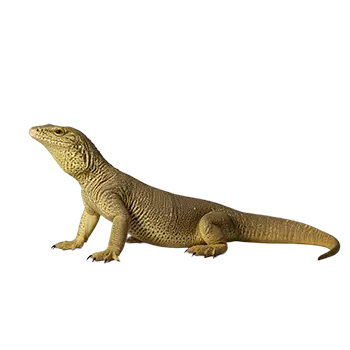

Transporting an Argus Monitor requires a level of advance planning that reflects the animal's size, strength, temperament, and sensitivity to environmental conditions. Unlike smaller reptile species that can be moved in relatively simple containers with minimal preparation, a large varanid demands careful consideration of container security, thermal management, stress reduction, and regulatory compliance before any journey begins. The single most important principle in Argus Monitor transport is that thorough preparation before the animal enters the container is far more effective than improvised problem-solving once the journey is underway. Every element of the transport process should be planned, tested where possible, and documented in advance.
The first step in planning any transport is to confirm the legal requirements that apply to the movement. For journeys within a single state or territory, this may be as simple as verifying that the keeper's existing permit covers transport and that no additional notifications are required. For interstate transport within the United States, keepers should verify that both the origin and destination states permit the keeping of monitor lizards and that any required health certificates or import permits have been obtained. International transport introduces the additional layers of CITES documentation, veterinary health certification, and compliance with the importing country's specific requirements. Failing to secure the correct documentation before departure can result in confiscation of the animal at borders or ports, legal penalties, and significant stress to the animal during prolonged holding.
The animal's health status should be assessed before any planned transport. A pre-transport veterinary examination by a practitioner experienced in reptile medicine is advisable, particularly for longer journeys or air shipments. The veterinarian can evaluate the animal's overall condition, check for signs of respiratory infection or other illness that could be exacerbated by the stress of transport, and issue any health certificates required by the destination jurisdiction. Animals that are currently undergoing treatment for illness, are gravid, or are in the process of shedding should not be transported unless the journey is medically necessary, as these conditions increase vulnerability to transport-related stress.
Fasting the animal for an appropriate period before transport is standard practice among experienced monitor keepers and reptile shippers. For an adult Argus Monitor, a fasting period of 48 to 72 hours before the scheduled transport date is generally recommended. This allows the digestive tract to empty, reducing the risk of regurgitation during transport and minimizing the volume of waste produced in the transport container. Hydration should be maintained during the fasting period, and the animal should have access to fresh water up to the point of placement in the transport container. A well-hydrated, empty-gutted animal is better equipped to tolerate the physiological stress of confinement and temperature fluctuation than one that is mid-digestion.