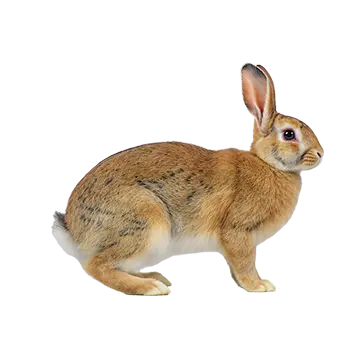

The Belgian Hare has never become a mainstream star of film or television in the way that more recognizable rabbit breeds have, but its distinctive hare-like appearance has earned it occasional screen time in nature documentaries and educational programming. Documentaries exploring the history of animal breeding and livestock speculation have featured the Belgian Hare as a case study, using archival photographs and footage of modern specimens to illustrate the remarkable boom that surrounded the breed at the turn of the 20th century.
When filmmakers and television producers need a rabbit that looks wild or exotic without actually using a wild animal, the Belgian Hare's lean build and alert posture make it a natural choice. Its resemblance to a wild hare allows it to serve as a stand-in that is far more tractable on set than a genuinely wild animal would be. This niche role has given the breed minor but recurring visibility in period dramas and nature-themed programming.
The Belgian Hare has also appeared in segments on animal-focused television shows that spotlight rare and unusual breeds. These features typically highlight the breed's history, its demanding show standard, and the dedication of the small community of fanciers who keep it alive. While such appearances are infrequent, they tend to generate spikes of interest from viewers encountering the breed for the first time.