
Origins & Development

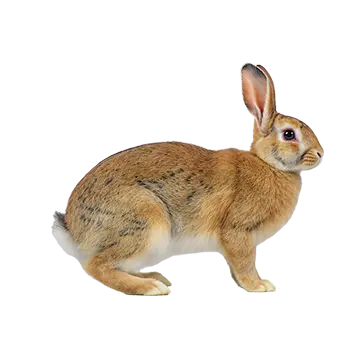
The Belgian Hare traces its origins to mid-19th century Belgium, where breeders set out to create a domestic rabbit that closely resembled the wild European hare in both appearance and athleticism. Through careful selective breeding of several domestic rabbit varieties, Belgian fanciers developed a lean, muscular animal with long limbs, a graceful arched body, and a rich rufous-red coat that set it apart from every other breed of the era.

By the 1870s the breed had attracted serious attention from rabbit enthusiasts across Western Europe, particularly in Belgium and England. British breeders refined the Belgian Hare further, emphasizing the deep chestnut color with black ticking that became the breed's hallmark. The establishment of breed standards during this period helped codify the distinctive full-arch body type, the fine bone structure, and the alert carriage that breeders still prize today.

The Belgian Hare arrived in the United States in the late 1880s and touched off one of the most remarkable speculative booms in animal breeding history. By the turn of the 20th century, top-quality Belgian Hares were selling for prices equivalent to thousands of dollars in modern currency. The frenzy drew investors, hobbyists, and opportunists alike, and it played a pivotal role in popularizing rabbit breeding as both a serious livestock endeavor and a competitive exhibition hobby across North America.

Although the speculative bubble eventually burst, the Belgian Hare left a lasting mark on the rabbit fancy. It was one of the first breeds recognized by the American Rabbit Breeders Association, and its early popularity helped establish the organizational infrastructure for rabbit shows, registries, and breed clubs that persists to this day.

Historical Roles

In its earliest years the Belgian Hare served a decidedly practical purpose. Belgian farmers and smallholders valued the breed for its rapid growth rate and lean, fine-grained meat, which was considered superior in flavor to that of heavier commercial rabbit breeds. Because the Belgian Hare could be raised on relatively modest amounts of feed while still reaching a respectable market weight, it became a popular choice for families seeking an efficient source of animal protein.

The breed's role shifted dramatically as it moved from the farmyard to the show bench. In late Victorian England, exhibiting Belgian Hares became a fashionable pursuit among the middle and upper classes. Competitive breeding pushed the breed's aesthetic qualities to new heights, with fanciers obsessing over coat color, body proportion, and the precise angle of the animal's arch. This transition from utility animal to exhibition specimen mirrored broader cultural trends in which animal husbandry became intertwined with leisure and sport.

During the Belgian Hare craze in the United States at the turn of the 20th century, the breed took on an almost entrepreneurial significance. Breeding operations sprang up across the country, trade publications devoted to Belgian Hares appeared on newsstands, and dedicated Belgian Hare clubs formed in major cities. The breed became a catalyst for the organized rabbit fancy in America, encouraging the development of show standards, judging protocols, and breeding record systems that would later be applied to dozens of other rabbit breeds.

In the decades that followed, the Belgian Hare's role settled into that of a cherished heritage breed. While no longer a commercial meat animal of any scale, it remained a fixture at rabbit shows and a breed that serious fanciers pursued for the challenge of perfecting its demanding standard. The Belgian Hare's historical journey from farmyard utility animal to speculative commodity to refined exhibition breed encapsulates the evolving relationship between humans and domestic rabbits.

Cultural Symbolism

The Belgian Hare occupies a unique symbolic space in the rabbit fancy. Its hare-like appearance — long legs, lean body, alert posture — evokes wildness and freedom in ways that rounder, more compact breeds do not. For many enthusiasts, the Belgian Hare represents the idea that domestic animals can retain a connection to their wild ancestry while still thriving under human care. This symbolism has made the breed a favorite among fanciers who value elegance and natural athleticism over the cuddly aesthetics more commonly associated with pet rabbits.

In the broader cultural imagination, the Belgian Hare's story resonates as a parable about the intersection of nature, commerce, and human ambition. The spectacular boom and bust of the Belgian Hare craze in the early 1900s has been cited by economic historians and popular writers alike as an early example of speculative mania in the animal breeding world, drawing comparisons to tulip mania and other episodes of market frenzy. The breed's history thus carries cultural weight beyond the rabbit fancy itself.

The Belgian Hare also holds symbolic importance as a link to the origins of the organized rabbit hobby. Because it was among the first breeds to inspire dedicated clubs, shows, and registries, the Belgian Hare is often referenced as a founding breed in the history of the American and British rabbit fancies. Veteran breeders sometimes describe working with Belgian Hares as a way of honoring the traditions and craftsmanship of the earliest rabbit fanciers.

Breed Clubs & Standards

The Belgian Hare was one of the first rabbit breeds to benefit from organized breed clubs, and those clubs played a central role in shaping the breed's development. In England, the National Belgian Hare Club was established in the late 19th century and quickly became a model for breed-specific organizations. The club published newsletters, organized specialty shows, and maintained studbooks that helped breeders track lineage and improve stock quality over successive generations.

In the United States, Belgian Hare clubs proliferated during the breed's boom period around 1900. Although many of these organizations were short-lived, the surviving clubs contributed to the establishment of national standards and judging criteria that were eventually adopted by the American Rabbit Breeders Association. The ARBA standard for the Belgian Hare emphasizes the breed's full-arch body type, rich rufous-red color with black ticking, fine bone structure, and alert, racey appearance. Achieving a high-scoring Belgian Hare is widely considered one of the more demanding challenges in the rabbit show world.

The British Rabbit Council also maintains a standard for the Belgian Hare, and British fanciers have historically been among the most dedicated breeders of the variety. Differences between the American and British standards are relatively minor, reflecting the shared heritage of the breed on both sides of the Atlantic. International cooperation among Belgian Hare enthusiasts has helped maintain genetic diversity in a breed whose numbers have declined significantly from the peak of its popularity.

Today, Belgian Hare breed clubs continue to advocate for the breed through education, mentorship programs, and specialty shows. These organizations play a vital role in attracting new breeders to a variety that demands patience, skill, and a genuine appreciation for the art of selective breeding.

The Breed Today

The Belgian Hare is classified as a rare or heritage breed in both the United States and the United Kingdom. Its numbers are far smaller than they were during the breed's heyday, and finding quality breeding stock can require patience and networking within the dedicated community of Belgian Hare fanciers. Despite these challenges, the breed maintains a loyal following among experienced rabbit enthusiasts who are drawn to its distinctive appearance and the rewarding difficulty of breeding to its exacting standard.

At modern rabbit shows, Belgian Hares continue to attract attention for their striking visual presence. The breed's lean, athletic build and alert demeanor set it apart from the compact, plush breeds that dominate many show halls. Judges evaluate Belgian Hares on a point system that places heavy emphasis on body type, color, and overall condition, and competition at the specialty level can be intense despite the small number of entries compared to more popular breeds.

Conservation efforts have become an important part of the Belgian Hare community. Organizations such as the Livestock Conservancy in the United States have included the Belgian Hare on their priority lists, drawing attention to the breed's historical significance and the need to maintain viable breeding populations. Breeders have responded by collaborating on breeding programs designed to preserve genetic diversity while continuing to improve stock quality.

The Belgian Hare's appeal extends beyond the show world. A growing number of rabbit keepers appreciate the breed for its intelligence, activity level, and unique aesthetic. While Belgian Hares require more space and environmental enrichment than many other rabbit breeds, owners who meet these needs are rewarded with an engaging, responsive companion that offers a very different experience from that of keeping a more typical pet rabbit.

Notable Individuals

Throughout the breed's history, several individual Belgian Hares have achieved fame within the rabbit fancy. During the American Belgian Hare boom of the early 1900s, a buck named Champion Doyen reportedly sold for $5,000 — an extraordinary sum at the time that would be equivalent to well over $100,000 in modern currency. Doyen's sale became a widely reported event that fueled both enthusiasm and speculation, and the animal's name became synonymous with the extravagance of the Belgian Hare craze.

In the show world, a number of Belgian Hares have earned Best in Show honors at major ARBA conventions and BRC national shows over the decades. These wins are particularly noteworthy given the breed's small numbers relative to more popular varieties. Each Best in Show Belgian Hare has served as a powerful advertisement for the breed, demonstrating that its demanding standard can produce animals of extraordinary quality and presence.

Prominent breeders have also contributed to the Belgian Hare's legacy. Figures such as E. M. Hughes and W. F. Roth were instrumental in establishing the breed in the United States during the late 19th and early 20th centuries. Their writings on Belgian Hare breeding, feeding, and management helped disseminate knowledge at a time when reliable information on rabbit husbandry was scarce. More recently, dedicated breeders on both sides of the Atlantic have worked to keep the Belgian Hare viable, often investing years in careful line breeding to maintain type and vigor in a breed with a limited gene pool.

Always consult a qualified professional before making any health-related decisions. This content is provided for informational reference only and should not replace professional guidance specific to your animal.