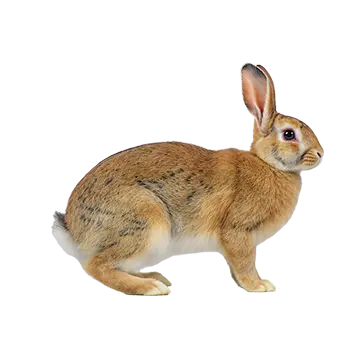

Unlike certain dog breeds, rabbits — including the Belgian Hare — are generally not subject to breed-specific legislation in most jurisdictions. No widely adopted laws single out particular rabbit breeds for restrictions or bans. However, the Belgian Hare's name can occasionally cause confusion with wildlife regulations, since the word "hare" may lead uninformed officials or landlords to assume the animal is a wild species rather than a fully domesticated rabbit breed.
In some regions, wild hares and rabbits are classified as game animals or wildlife, and regulations governing their capture, possession, and sale may be strict. Belgian Hare owners should be prepared to demonstrate that their animals are domesticated rabbits, not wild hares. Breed registration papers, pedigree documentation, or a letter from a recognized rabbit breed organization can help clarify the animal's status if questions arise.
It is worth noting that some jurisdictions have enacted broad exotic or non-traditional pet ordinances that can affect rabbit ownership in general. While these laws rarely target specific rabbit breeds, they may impose licensing, permitting, or housing requirements on rabbit owners. Belgian Hare keepers should verify local regulations to ensure compliance, particularly in urban areas where small animal ordinances may be in effect.