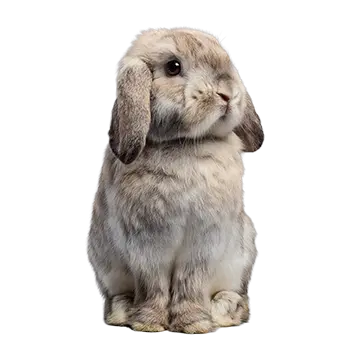

Television & Broadcast Appearances

The American Fuzzy Lop has earned a steady stream of television appearances thanks to its irresistibly compact build, lopped ears, and cloud-like wool coat. Morning shows and daytime lifestyle programs have featured the breed during segments on unusual pets, Easter-season animal spotlights, and visits from local rabbit rescue organizations. Producers gravitate toward the American Fuzzy Lop because its small size makes it easy to handle on set, its calm temperament under studio lighting prevents the skittish behavior that plagues some rabbit breeds on camera, and its wool coat provides an immediate visual hook that distinguishes it from the short-coated breeds audiences are more accustomed to seeing.

Local news affiliates across the country have covered American Fuzzy Lops in human-interest stories tied to rabbit shows, county fairs, and 4-H exhibitions. These segments typically follow a young exhibitor preparing an American Fuzzy Lop for competition, walking viewers through the grooming process and the judging criteria that make wool breeds a distinct challenge. The breed's personality shines in these features because American Fuzzy Lops tend to remain relaxed when held for extended periods, giving reporters time to narrate without the rabbit struggling to escape. Broadcasters appreciate that the breed's wide range of recognized color varieties adds visual diversity to on-screen presentations, allowing producers to display multiple animals that look strikingly different from one another while belonging to the same breed.

Public television programming centered on agriculture, homesteading, and animal husbandry has included the American Fuzzy Lop in episodes covering the fiber arts revival and the growing interest in small-scale wool production. These programs position the breed within the broader narrative of self-sufficiency, explaining that American Fuzzy Lop wool can be harvested, spun, and used in handcrafted textiles without the space and infrastructure requirements of sheep or goats. The educational angle of these broadcasts introduces the breed to audiences who may not have considered rabbits as fiber-producing animals, expanding public awareness beyond the pet and show communities.

Animal-centric cable networks and streaming platforms have also spotlighted the breed in competition-format and documentary-style programming. Shows that follow rabbit breeders through the show season have captured American Fuzzy Lops being evaluated on wool density, body type, and crown structure, giving viewers an inside look at the specialized world of wool rabbit competition. These programs reach niche but passionate audiences, and the American Fuzzy Lop's distinctive appearance makes it one of the most memorable breeds featured in competition footage.

Print & Publishing

The American Fuzzy Lop has been a consistent subject of coverage in rabbit-specific periodicals and breed publications since its acceptance by the American Rabbit Breeders Association in 1988. The breed's unusual development story, which grew out of efforts to introduce broken-pattern coloring into Holland Lops through crosses with French Angoras, has been detailed in feature articles that trace the genetic journey from those early experimental breedings to the establishment of a stable, recognized breed. Domestic Rabbits magazine and other ARBA-affiliated publications have carried technical articles on wool evaluation, breeding strategies for improving density and texture, and profiles of breeders who were instrumental in the breed's formation.

Fiber arts magazines and handcraft publications represent a second significant print audience for the American Fuzzy Lop. Because the breed produces a wool comparable in softness and warmth to Angora fiber but from a much smaller and more manageable animal, it appeals to spinners and fiber artists who lack the space for full-sized Angora rabbits. Publications in the handspinning and fiber arts communities have featured the breed in articles covering wool harvesting techniques, fiber preparation for spinning, and the qualities that distinguish American Fuzzy Lop wool from English Angora, French Angora, and other wool rabbit fibers. These articles position the breed at the intersection of animal husbandry and textile craftsmanship, reaching readers who might never open a rabbit breeding journal.

Homesteading and small-farm publications have profiled the American Fuzzy Lop as a dual-purpose animal suited to compact living situations. Magazine features in this genre emphasize the breed's manageable size, its docile personality, and the practical value of its wool, arguing that the American Fuzzy Lop offers a productive return for hobbyists who want more from their rabbits than companionship alone. These articles often include practical guidance on hutch setup, grooming schedules, and wool collection, making them useful references for readers considering their first wool rabbit.

Books covering rabbit breeds comprehensively have given the American Fuzzy Lop dedicated sections that address its origin, standard of perfection, care requirements, and breeding considerations. Authors of general-audience rabbit care guides frequently highlight the breed as an example of a wool rabbit that is accessible to beginners because of its smaller size and generally forgiving temperament compared to the larger Angora breeds. These book-length treatments provide a depth that magazine articles cannot achieve, offering extended discussions of genetics, coat maintenance, and the practicalities of integrating a wool breed into a rabbitry that may also include non-wool breeds.

Social Media & Online Communities

The American Fuzzy Lop has become one of the most recognizable rabbit breeds on social media, driven by its photogenic combination of woolly fur, compact lop-eared silhouette, and expressive face. Instagram accounts dedicated to individual American Fuzzy Lops routinely attract thousands of followers who engage with daily photo and video posts documenting grooming sessions, playtime, and the general charm of living with a wool rabbit. The breed's visual appeal is tailor-made for image-driven platforms, and its small size allows owners to create content in home settings without specialized equipment or staging, giving the posts an authentic quality that resonates with audiences.

Facebook groups devoted to the American Fuzzy Lop function as both social communities and practical resources for breeders and pet owners. Breeder-oriented groups facilitate the exchange of pedigree information, breeding advice, and genetic discussion, while pet-focused groups offer guidance on grooming, diet, and health concerns specific to wool breeds. These communities serve as critical knowledge repositories because the American Fuzzy Lop's wool coat demands a level of maintenance that many first-time owners underestimate, and experienced members provide real-time troubleshooting for issues like wool block, matting, and molt management that can be difficult to address through static care guides alone.

YouTube has hosted an expanding library of American Fuzzy Lop content spanning breed introductions, grooming tutorials, show preparation walkthroughs, and day-in-the-life vlogs from breeders and pet owners alike. Grooming videos are particularly popular because the breed's wool coat requires regular maintenance that is visually engaging to watch, and viewers are drawn to the transformation sequences that show a matted or overgrown coat being carefully restored to show condition. Some channels have built dedicated followings around their American Fuzzy Lop content, combining practical care advice with the entertainment value of showcasing the breed's playful and curious personality.

TikTok and short-form video platforms have amplified the breed's reach to younger audiences who may have limited exposure to the rabbit fancy. Short clips of American Fuzzy Lops being groomed, exploring their environments, or simply sitting in a way that highlights their woolly roundness have generated millions of views, introducing the breed to demographics that traditional rabbit media has historically failed to reach. This virality has had tangible effects on demand, with breeders reporting increased inquiries from prospective owners who discovered the breed through social media content rather than through show attendance or breeder directories.

Art, Illustration & Photography

The American Fuzzy Lop's distinctive appearance has made it a frequent subject for animal artists, illustrators, and photographers who specialize in capturing the character of domestic rabbit breeds. The breed's rounded body, heavy wool coverage, and forward-falling lop ears create a silhouette that is immediately recognizable and inherently endearing, making it a natural choice for artists seeking subjects with strong visual personality. Watercolor artists, digital illustrators, and pen-and-ink specialists have produced portraits of American Fuzzy Lops that circulate widely through online art marketplaces, social media, and breed-specific merchandise.

Photographers who work with rabbits have highlighted the American Fuzzy Lop in portfolio work and exhibition prints because of the textural complexity its wool coat introduces to an image. Unlike smooth-coated breeds where the visual interest comes primarily from color and posture, the American Fuzzy Lop offers photographers an opportunity to work with light, shadow, and texture in ways that create depth and dimension within a single frame. Studio portraits of the breed frequently appear in photography competitions, breed calendars, and promotional materials for rabbit shows, where the breed's visual impact helps draw public attention to events that might otherwise attract only existing rabbit enthusiasts.

The breed has also found its way into the commercial illustration space, appearing on greeting cards, stationery, stickers, and gift items marketed to rabbit lovers and fiber arts enthusiasts. The American Fuzzy Lop's association with both the pet rabbit community and the handspinning world gives it dual commercial appeal, and artists who specialize in animal-themed merchandise have found that Fuzzy Lop designs sell consistently well across both markets. Craft fair vendors, Etsy shop operators, and independent artists report that American Fuzzy Lop imagery resonates with buyers who may or may not own the breed but who are attracted to its distinctive look.

Breed standard illustrations published by the American Rabbit Breeders Association and by specialty breed clubs represent another important artistic tradition for the American Fuzzy Lop. These technical illustrations serve a practical purpose, depicting ideal body type, ear placement, wool density, and crown structure for the guidance of breeders and judges. The artists who produce these standard illustrations combine anatomical accuracy with aesthetic clarity, creating reference images that shape how breeders envision and select for the ideal American Fuzzy Lop. These illustrations are reproduced in guidebooks, show catalogs, and breed club newsletters, and they function as visual benchmarks against which every exhibited animal is ultimately measured.

Show Culture & Competitive Exhibition

The American Fuzzy Lop occupies a distinctive position in rabbit show culture because it is the smallest wool breed recognized by the American Rabbit Breeders Association, placing it at the intersection of two competitive traditions: compact lop breeds and wool breeds. This dual identity means that American Fuzzy Lop exhibitors must master both body type evaluation, where the breed is judged against standards similar to those applied to Holland Lops, and wool evaluation, where density, texture, and uniformity are assessed using criteria shared with the Angora group. The result is a show culture that demands versatility from its breeders and produces animals that are evaluated with an unusual degree of complexity compared to non-wool compact breeds.

ARBA national conventions and regional shows provide the primary competitive stages for the American Fuzzy Lop, and the breed draws consistent entry numbers that reflect its established popularity within the fancy. Specialty shows hosted by the American Fuzzy Lop Rabbit Club attract dedicated exhibitors who travel considerable distances to compete, and these events serve as annual gathering points for the breed community. The social dimension of show culture is particularly important for American Fuzzy Lop breeders because the breed's wool management requirements create a body of specialized knowledge that is most effectively transmitted through hands-on demonstration and in-person mentorship at these events.

Grooming for the show table represents one of the most visually compelling aspects of American Fuzzy Lop exhibition culture, and media coverage of rabbit shows frequently features the breed's preparation process. Unlike short-coated breeds that require relatively simple grooming before judging, American Fuzzy Lops must be presented with their wool in optimal condition, which involves weeks of careful maintenance leading up to the show. Breeders use specialized tools to remove guard hairs, manage matting, and shape the wool into the rounded silhouette that judges expect, and this grooming tradition has become a defining element of the breed's competitive identity.

Youth exhibitors have embraced the American Fuzzy Lop in 4-H and FFA rabbit projects, drawn by the breed's manageable size and its capacity to teach fiber evaluation skills that are not available through non-wool breeds. Judges at youth shows often take extra time to explain wool evaluation criteria to young exhibitors, turning the judging process into an educational experience that introduces participants to concepts like staple length, crimp structure, and wool density. This educational function makes the American Fuzzy Lop a particularly valuable breed in youth programming, and the media coverage that youth shows receive in local newspapers and agricultural publications extends the breed's visibility into communities that might not otherwise encounter it.

Online Marketplaces & Digital Breed Advocacy

The digital marketplace has fundamentally reshaped how American Fuzzy Lops are bought, sold, and placed, moving the breed from a world where transactions depended on show contacts and local networks to one where breeders can reach a national audience through dedicated rabbit listing platforms and social media marketplaces. Breed-specific sales groups on Facebook have become primary channels for connecting buyers with available stock, and these groups typically enforce guidelines that require sellers to provide pedigree information, photographs from multiple angles, and disclosures about any known health issues. The transparency enabled by these digital platforms has raised the standard of information available to buyers and has made it more difficult for uninformed sellers to misrepresent the quality of their animals.

Online breed advocacy has emerged as a significant force in shaping public perception of the American Fuzzy Lop. Breed clubs and individual breeders maintain websites that serve as authoritative references for prospective owners, providing detailed information about wool care, dietary needs, health considerations, and the realities of living with a breed that requires regular grooming to prevent wool-related complications. These digital resources address common misconceptions about the breed, including the frequent confusion between American Fuzzy Lops and Holland Lops, which share a similar body type but differ fundamentally in coat type. Advocacy sites emphasize that the wool coat is not merely a cosmetic feature but a management commitment that prospective owners must understand before acquiring the breed.

Rescue organizations and rabbit advocacy groups have used digital platforms to raise awareness about American Fuzzy Lops that are surrendered by owners who were unprepared for the breed's grooming demands. These organizations produce educational content highlighting the importance of research before purchase and the specific challenges that wool breeds present to inexperienced owners. Their online presence serves a dual purpose: finding adoptive homes for surrendered animals and reducing future surrenders by ensuring that prospective owners encounter realistic care information before committing to the breed. The visibility of these rescue efforts on social media has contributed to a more nuanced public understanding of the responsibilities associated with wool rabbit ownership.

Digital forums and discussion boards dedicated to rabbit keeping have maintained active threads on the American Fuzzy Lop for decades, creating searchable archives of breed-specific knowledge that new owners can access at any time. Platforms ranging from long-established rabbit forums to newer communities on Reddit host ongoing conversations about wool genetics, dietary formulations for wool production, parasite management in wool breeds, and the practical challenges of maintaining show-quality wool in varying climates. These discussions represent a form of distributed expertise that supplements the guidance available from breed clubs and veterinary professionals, and they have become an essential component of the informational ecosystem surrounding the American Fuzzy Lop.

Always consult a qualified professional before making any health-related decisions. This content is provided for informational reference only and should not replace professional guidance specific to your animal.