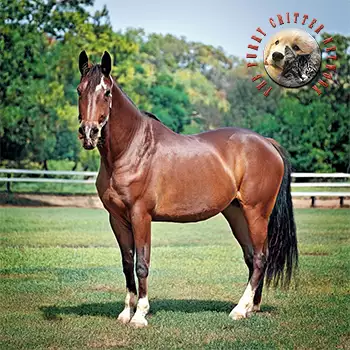

Registration & Breeding Regulations

Warmblood ownership and breeding are governed by a layered system of registry rules, national equine regulations, and international breeding standards. Each Warmblood studbook society — whether the Hanoverian Verband, KWPN, Oldenburg, or one of the many other registries — maintains its own set of rules governing stallion licensing, mare inspections, and foal registration. Breeders who wish to register foals with a particular studbook must comply with that registry's requirements for parentage verification, which increasingly involves DNA testing and microchip identification.

Stallion licensing regulations are among the most consequential legal frameworks in the Warmblood world. In many European countries, stallion approval is not merely a recommendation but a legal requirement for breeding. Germany, for instance, has historically required that stallions used for breeding be licensed by an approved studbook, and the use of unlicensed stallions can result in foals being denied registration. These regulations are designed to maintain breed quality and prevent the proliferation of horses that do not meet established standards for conformation, movement, and soundness.

In North America, the regulatory environment for Warmblood breeding is generally less restrictive than in Europe. American breed registries affiliated with European studbooks conduct inspections and evaluations, but stallion licensing is typically voluntary rather than legally mandated. This difference in regulatory approach means that North American breeders have greater freedom in their breeding decisions but also bear more individual responsibility for maintaining quality standards.

Breeding contracts represent another important legal dimension of Warmblood ownership. Stallion service agreements, mare leases, embryo transfer contracts, and co-ownership arrangements all carry legal implications that can affect ownership rights, financial obligations, and liability. The increasing use of advanced reproductive technologies such as embryo transfer and ICSI has introduced additional complexities, including questions about the legal status of embryos, the rights of donor mare owners, and the enforceability of breeding restrictions attached to specific stallion contracts.

Ownership & Purchase Law

The purchase of a Warmblood horse is a significant financial transaction that is governed by commercial law, contract law, and in many jurisdictions, specific equine sale statutes. In the United States, the Uniform Commercial Code (UCC) governs the sale of horses as goods, providing a framework for warranties, remedies for breach of contract, and the rights of buyers and sellers. Pre-purchase veterinary examinations are standard practice in Warmblood transactions, and the legal implications of veterinary findings — or the failure to disclose known health issues — are a frequent source of disputes.

Bill of sale agreements, purchase contracts, and trial period arrangements are essential legal documents in Warmblood transactions. A well-drafted purchase agreement will address the horse's identification (including microchip number and registration papers), the purchase price and payment terms, warranties regarding health and soundness, provisions for veterinary inspection, and the allocation of risk during transport. Disputes over misrepresentation, undisclosed health conditions, or disagreements about a horse's suitability for its intended use are among the most common legal conflicts in the equestrian world.

Co-ownership and syndication arrangements are increasingly common in the Warmblood market, particularly for high-value stallions and competition horses. These arrangements require carefully drafted legal agreements that address ownership shares, decision-making authority, the division of competition earnings and breeding income, insurance obligations, and procedures for the eventual sale or retirement of the horse. Without clear contractual terms, co-ownership disputes can become protracted and costly.

International purchases add additional layers of legal complexity. Buyers acquiring Warmbloods from European breeders must navigate import regulations, currency exchange considerations, shipping logistics, and the transfer of registration papers between studbook organizations. The legal systems governing equine sales differ significantly between countries, and buyers are well advised to work with attorneys familiar with both the exporting and importing jurisdictions.

Liability & Insurance

Liability is a central legal concern for Warmblood owners, trainers, and facility operators. Horses are large, powerful animals capable of causing serious injury, and the legal frameworks governing liability for horse-related accidents vary significantly by jurisdiction. In the United States, most states have enacted equine activity liability statutes that provide some degree of protection to horse professionals and property owners by recognizing the inherent risks of equine activities. However, these statutes do not eliminate liability entirely, and negligence, failure to warn, or the provision of defective equipment can still give rise to legal claims.

Equine liability insurance is an essential component of responsible Warmblood ownership. Policies are available to cover a range of risks, including third-party injury, property damage, and the horse owner's personal liability. Commercial equine operations — boarding facilities, training barns, riding schools, and competition venues — typically carry general liability insurance as well as additional coverage for professional liability, workers' compensation, and care, custody, and control of client-owned horses.

Mortality and loss-of-use insurance are particularly relevant for high-value Warmbloods. Mortality insurance provides compensation if the horse dies or must be euthanized due to illness or injury, while loss-of-use coverage applies when a horse becomes permanently unable to perform its intended function — whether that is competition, breeding, or recreational riding. Given the substantial financial investment that a well-bred Warmblood represents, these forms of insurance are widely considered prudent risk management.

Trainers and instructors who work with Warmbloods face specific liability considerations related to the care and training of client-owned horses. Training agreements should clearly define the scope of the trainer's authority, the standard of care expected, provisions for veterinary decision-making, and the allocation of liability in the event of injury to the horse or to third parties. Professional liability insurance designed for equine trainers provides coverage for claims arising from alleged negligence in the training, handling, or supervision of horses.

Zoning & Land Use

Keeping Warmbloods requires adequate land and facilities, and the legal right to maintain horses on a given property is governed by local zoning ordinances, land use regulations, and homeowners' association rules. In many suburban and semi-rural areas, zoning codes specify minimum lot sizes for horse keeping, limit the number of horses that may be kept on a property, and impose setback requirements for barns, arenas, and manure storage facilities. Prospective Warmblood owners must verify that their property is zoned for equine use before investing in facilities or acquiring horses.

Environmental regulations add another layer of legal consideration for Warmblood facilities. Manure management, stormwater runoff, and nutrient loading are regulated at the local, state, and sometimes federal level. Larger equine operations may be required to develop and implement nutrient management plans, obtain permits for manure storage or disposal, and comply with water quality standards. These requirements can be particularly significant for breeding farms that maintain large numbers of horses on relatively concentrated acreage.

Nuisance law represents a potential legal risk for horse properties located near residential areas. Complaints about odors, flies, dust, and noise from neighboring property owners can result in nuisance claims or pressure on local governments to restrict equine activities. Many states have enacted right-to-farm laws that provide some protection for established agricultural operations, including horse farms, against nuisance claims. However, the applicability of these statutes to equine properties varies, and not all horse operations qualify as agricultural uses under the relevant definitions.

Building permits and construction regulations apply to the construction of barns, indoor arenas, and other equine facilities. Local building codes may impose requirements for structural design, fire safety, electrical systems, and accessibility that affect the cost and design of equine facilities. Owners planning new construction or significant renovations should consult with local building authorities and, where appropriate, engage professionals familiar with equine facility design and applicable code requirements.

Import, Export & Transport Regulations

The international movement of Warmbloods is governed by a comprehensive framework of import and export regulations designed to prevent the spread of infectious diseases and protect domestic horse populations. In the United States, the USDA Animal and Plant Health Inspection Service (APHIS) oversees the importation of horses and requires health certificates, negative test results for diseases such as equine infectious anemia (EIA), glanders, and dourine, and a period of quarantine at an approved federal facility upon arrival. The specific requirements vary depending on the country of origin and the current disease status of that country.

European Union regulations governing the movement of horses within and between member states are based on the EU Animal Health Law, which establishes requirements for identification, health certification, and disease testing. Horses moving between EU countries must be accompanied by an equine identification document (passport) and meet health certification requirements that vary depending on the purpose of the movement — whether for permanent relocation, temporary competition travel, or breeding purposes. Brexit introduced additional regulatory requirements for the movement of horses between the United Kingdom and EU member states.

Domestic transport regulations also affect Warmblood owners and shippers. In the United States, the interstate movement of horses requires a current Certificate of Veterinary Inspection (CVI, also known as a health certificate) and proof of a negative Coggins test for equine infectious anemia. Individual states may impose additional requirements, such as brand inspections or permits for certain categories of horses. Commercial horse transporters must comply with federal and state regulations governing vehicle safety, driver qualifications, and the humane transport of livestock.

The transport of horses by air is regulated by both aviation authorities and animal welfare organizations. The International Air Transport Association (IATA) publishes Live Animals Regulations that specify requirements for air stalls, ventilation, water access, and veterinary supervision during air transport. Airlines that transport horses must comply with these regulations, and shippers are responsible for ensuring that all import documentation, health certifications, and quarantine arrangements are in order before the horse departs. The cost and complexity of international air transport are significant considerations for Warmblood buyers and sellers engaged in cross-border transactions.

Competition & Anti-Doping Rules

Warmbloods competing under the jurisdiction of the Fédération Equestre Internationale (FEI) or national equestrian federations are subject to comprehensive anti-doping and medication control regulations. The FEI maintains a list of prohibited substances and controlled medications, and horses competing at FEI-sanctioned events are subject to random or targeted drug testing. Violations can result in disqualification, suspension of the rider, fines, and the forfeiture of prize money and rankings. The rules are designed to protect both the welfare of the horse and the integrity of the sport.

National equestrian federations, such as the United States Equestrian Federation (USEF), maintain their own drug testing programs and prohibited substance lists, which may differ in some respects from the FEI rules. Riders competing at the national level must be familiar with the applicable federation's rules and ensure that any substances administered to their horses — including medications, supplements, and topical treatments — are compliant with those rules. The inadvertent administration of a prohibited substance, even through contaminated feed or supplements, does not typically excuse a positive test result.

Welfare regulations in competition extend beyond anti-doping to encompass rules governing the treatment of horses before, during, and after competition. The FEI and national federations have implemented rules addressing the use of training aids, the permissible methods of warming up horses, the inspection of horses for signs of abuse or overwork, and the authority of competition veterinarians to withdraw horses that are not fit to compete. Violations of welfare rules can result in penalties ranging from warnings to lifetime bans, depending on the severity of the offense.

The legal implications of anti-doping and welfare violations can extend beyond the sporting context. In some jurisdictions, the mistreatment of a competition horse may give rise to criminal animal cruelty charges, and the financial consequences of a positive drug test — including loss of prize money, sponsorship income, and the diminished value of the horse — can be substantial. Riders, trainers, and owners are advised to maintain detailed records of all medications and treatments administered to their horses and to implement robust protocols for preventing inadvertent contamination.

Always consult a qualified professional before making any health-related decisions. This content is provided for informational reference only and should not replace professional guidance specific to your animal.