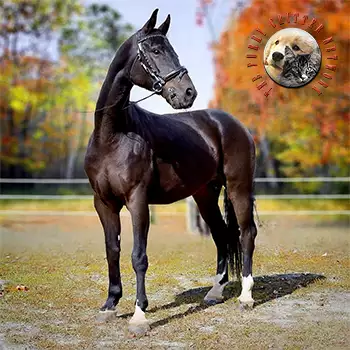

Zoning & Land Use Requirements

Horse ownership is subject to local zoning and land use regulations that vary significantly by jurisdiction. In many areas, keeping horses is restricted to properties zoned for agricultural or equestrian use, and minimum acreage requirements may apply. Prospective Trakehner owners should research their local zoning ordinances thoroughly before purchasing a horse, as violations can result in fines, forced removal of the animal, or legal proceedings.

In suburban and semi-rural areas, zoning regulations may permit horse keeping under specific conditions, such as maintaining minimum setback distances between stables and neighboring properties, limiting the number of horses per acre, or requiring manure management plans. These requirements are designed to balance the rights of horse owners with the interests of neighboring residents and the broader community. Compliance is typically enforced at the county or municipal level.

Some jurisdictions offer agricultural exemptions or equestrian overlay zones that provide additional flexibility for horse owners. These provisions may reduce property tax assessments, exempt certain structures from building permit requirements, or allow activities such as riding lessons and breeding that might otherwise be restricted. Understanding the specific land use framework in your area is essential for avoiding legal complications and maximizing the benefits available to equestrian property owners.

Homeowners' associations and deed restrictions can impose additional limitations beyond municipal zoning codes. In some planned communities, equestrian use may be explicitly prohibited or subject to architectural review for barns and fencing. Reviewing all applicable covenants, conditions, and restrictions before purchasing property for horse keeping is strongly recommended.

Ownership & Registration Requirements

Trakehner registration is governed by the Trakehner Verband in Germany and its authorized affiliate organizations in other countries. Registration requires documented proof of parentage through an unbroken chain of registered ancestors, reflecting the breed's closed studbook policy. Buyers should verify that any horse represented as a registered Trakehner carries valid papers issued by a recognized Trakehner organization, as the breed's value is closely tied to its authenticated lineage.

In many jurisdictions, horse ownership is also subject to general livestock identification requirements. Some states and countries mandate that horses carry permanent identification such as microchips, brands, or tattoos, and that ownership transfers be recorded with a central registry. These requirements exist to combat theft, facilitate disease tracing, and ensure accountability in the event of neglect or abandonment.

Bill of sale documentation is an important legal safeguard in any horse transaction. A thorough bill of sale should include a detailed description of the horse, its registration number, the purchase price, any warranties or representations made by the seller, and the terms of any pre-purchase veterinary examination. Both parties benefit from clear, written documentation that can serve as evidence in the event of a subsequent dispute.

Breeding agreements for Trakehner stallions and mares involve additional legal considerations, including stud fee payment terms, live foal guarantee provisions, and the allocation of registration responsibilities. The Trakehner Verband requires that breeding reports be filed accurately and on time, and failure to comply can result in the inability to register offspring. Breeders should familiarize themselves with both the Verband's specific requirements and any applicable local regulations governing equine reproductive services.

Liability & Insurance

Horse ownership carries inherent liability risks, as horses are large, powerful animals capable of causing significant injury or property damage. In most jurisdictions, horse owners bear legal responsibility for harm caused by their animals, whether through direct contact, escape from a property, or incidents occurring during riding or handling. Understanding the liability framework in your jurisdiction is essential for protecting both personal assets and the welfare of others.

Many states in the United States have enacted equine activity liability statutes that provide some degree of protection to horse owners and equestrian professionals. These laws typically limit liability for injuries that result from the inherent risks of equine activities, provided that proper warnings are posted and that the injury was not caused by negligence or intentional misconduct. The scope and specific provisions of these statutes vary significantly by state, and they do not eliminate liability entirely.

Equine liability insurance is strongly recommended for all horse owners, particularly those who allow others to ride their horses, offer lessons or training services, or board horses on their property. Policies typically cover bodily injury and property damage claims, legal defense costs, and medical payments. Specialized equine insurance providers offer tailored products that address the unique risks associated with horse ownership, including coverage for breeding operations, competition activities, and commercial equestrian enterprises.

Mortality and major medical insurance for the horse itself is another important consideration, particularly given the significant financial investment that a registered Trakehner represents. These policies protect the owner against financial loss in the event of death, theft, or catastrophic illness or injury. Premium costs vary based on the horse's age, value, intended use, and geographic location, and owners should carefully review policy terms regarding exclusions and claim procedures.

Animal Welfare & Care Standards

Horse owners are legally obligated to provide adequate care for their animals under animal welfare laws that exist in virtually every jurisdiction. These laws typically require that horses receive sufficient food, clean water, shelter from extreme weather, necessary veterinary care, and adequate space for movement. Failure to meet these basic standards can result in criminal charges, civil penalties, and the seizure of the animal by authorities.

The Trakehner's sensitive temperament and athletic build carry specific care implications that owners should understand. While breed-specific regulations do not generally exist, the breed's relatively fine skin, limited cold tolerance compared to native breeds, and susceptibility to certain metabolic conditions mean that standard minimum care requirements may not be sufficient to maintain a Trakehner in optimal health and welfare. Responsible ownership involves exceeding minimum legal requirements and providing care tailored to the individual horse's needs.

Several countries and regions have established codes of practice or welfare standards specific to equines that go beyond basic anti-cruelty provisions. These guidelines may address topics such as appropriate turnout time, herd socialization, dental and hoof care schedules, and the management of elderly or retired horses. While not always legally binding, these codes represent best practice and may be referenced by courts or regulatory agencies when evaluating the adequacy of care provided.

Equestrian sport governing bodies, including the international federation and national federations, enforce their own welfare rules during competition. These rules address topics such as permitted training methods, veterinary inspection requirements, drug and medication controls, and the treatment of horses in the competition environment. Violations can result in disqualification, fines, suspensions, and referral to national authorities for further action.

Import & Export Regulations

The international movement of Trakehner horses is subject to a complex framework of import and export regulations designed to prevent the spread of infectious diseases. These requirements vary by country but typically include pre-export veterinary examinations, laboratory testing for specific diseases, official health certificates issued by government veterinary authorities, and mandatory quarantine periods upon arrival in the destination country.

The European Union maintains a harmonized system for the movement of equines within its member states, based on standardized identification documents and health certification requirements. Horses traveling within the EU must carry a valid equine passport that records their identity, vaccination history, and health status. Movement between EU countries is generally straightforward for horses with current documentation, though additional requirements may apply for horses entering from outside the EU.

Importing a Trakehner into the United States requires compliance with regulations administered by the USDA Animal and Plant Health Inspection Service. These regulations mandate testing for diseases such as equine infectious anemia, glanders, and dourine, as well as quarantine at an approved facility upon arrival. The quarantine period allows veterinary authorities to observe the horse for signs of illness and to conduct any additional testing required before release to the owner.

Export regulations in the country of origin must also be satisfied before a horse can be shipped internationally. Sellers and buyers should work with experienced equine transport agents and veterinary professionals who understand the specific requirements of both the origin and destination countries. Failure to comply with any element of the import-export process can result in delays, additional costs, refusal of entry, or return of the horse to its country of origin.

Breeding & Stallion Licensing Regulations

In several European countries, stallion licensing is regulated at both the breed registry and governmental level. Germany, the Trakehner's homeland, has historically maintained government oversight of stallion approvals to ensure that only horses meeting minimum quality standards are used for breeding. While the specifics of these regulations have evolved over time, the principle that public breeding stallions should meet defined performance and conformation standards remains embedded in German equine law.

The Trakehner Verband's own licensing process imposes requirements that exceed governmental minimums. Stallions presented for approval must pass a rigorous inspection of conformation, movement, and jumping ability, followed by performance testing that evaluates their rideability and suitability as breeding animals. Only stallions that successfully complete this process receive the coveted approval to breed registered Trakehner mares, and their approval can be revoked if subsequent offspring fail to meet expected standards.

Breeding operations are also subject to general agricultural and business regulations that vary by jurisdiction. In many areas, operating a breeding farm may require business licenses, compliance with environmental regulations regarding waste management, and adherence to employment laws if staff are hired. Some jurisdictions also regulate the practice of artificial insemination and embryo transfer, requiring that these procedures be performed by licensed veterinary professionals.

The registration of Trakehner foals requires timely and accurate reporting of breeding information, including mare owner reports, stallion breeding certificates, and parentage verification through DNA testing. The Verband's administrative requirements are designed to maintain the integrity of the studbook and ensure that every registered Trakehner can be reliably traced to its parents. Breeders who fail to comply with reporting deadlines or documentation requirements may find that their foals cannot be registered, potentially resulting in significant financial loss.

Always consult a qualified professional before making any health-related decisions. This content is provided for informational reference only and should not replace professional guidance specific to your animal.