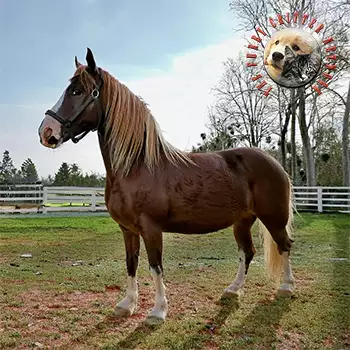

The Peruvian Paso has made occasional but memorable appearances in film and television, typically in productions set in South America or those requiring a visually striking horse with an unusual gait. Documentary filmmakers have been particularly drawn to the breed, producing features that explore its history, cultural significance, and the elaborate show culture that surrounds it. These documentaries have introduced international audiences to the breed's unique movement and the passionate community that preserves it.
In Peruvian cinema and television, the breed appears more frequently, often as a visual shorthand for national pride, rural tradition, or historical grandeur. Period dramas set during the colonial or republican eras regularly feature Peruvian Pasos in scenes depicting hacienda life, military campaigns, or civic celebrations. The horse's natural elegance and smooth gait make it particularly well suited to on-screen work, as its composed demeanor translates well to the controlled environment of a film set.
Hollywood productions have occasionally used Peruvian Pasos as riding horses for lead actors, though the breed is rarely identified by name on screen. Trainers and wranglers familiar with the breed appreciate its calm temperament and willingness to perform repetitive tasks without becoming agitated, qualities that make it a reliable choice for scenes requiring precise choreography or multiple takes. The breed's distinctive termino — the rolling, sweeping motion of the front legs — adds a layer of visual interest that cinematographers find appealing.
Television travel programs and equestrian series have featured segments on the Peruvian Paso, particularly when covering South American culture or unique horse breeds around the world. These segments typically highlight the breed's gait, the marinera a caballo tradition, and the annual national competition in Peru, giving viewers a condensed introduction to a breed that many in North America and Europe have never encountered in person.