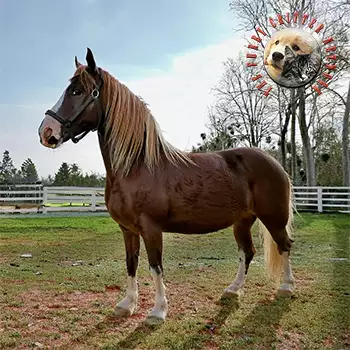

Breed-Specific Legislation & Cultural Protections

Unlike certain dog breeds that face breed-specific bans or restrictions, the Peruvian Paso is not subject to breed-specific legislation in any known jurisdiction. However, the breed does occupy a unique legal position in Peru, where it was declared a Cultural Heritage of the Nation in 1992. This designation provides formal governmental recognition and protection for the breed, placing it within a legal framework designed to preserve elements of Peru's cultural identity. The declaration has implications for breeding standards, export policies, and the promotion of the breed within and beyond Peru's borders.

Peru's cultural heritage designation for the Peruvian Paso creates a legal environment in which the government has a recognized interest in the breed's preservation and promotion. While this does not restrict private ownership or breeding, it does establish a framework for government involvement in breed-related activities, including the sponsorship of national competitions, the regulation of breed registries, and the enforcement of standards related to the breed's welfare and authenticity.

Other countries with significant Peruvian Paso populations have not enacted breed-specific legislation for the breed. In the United States, for example, the Peruvian Paso is governed by the same general equine laws that apply to all horse breeds, with no special restrictions or protections at the federal or state level. Breed-specific governance is handled entirely through private breed associations and their voluntary registration and competition standards.

It is worth noting that some gaited horse breeds have faced scrutiny related to training practices, particularly the abusive technique known as soring. While soring is primarily associated with other gaited breeds, the broader legal framework surrounding the Horse Protection Act in the United States applies to all gaited breeds, including the Peruvian Paso. Breeders and exhibitors should be aware of these regulations and the inspections that may occur at sanctioned shows.

Ownership Requirements

Owning a Peruvian Paso is subject to the same general legal requirements that govern horse ownership in the relevant jurisdiction. In the United States, these requirements vary by state and locality but typically include compliance with zoning laws, animal welfare statutes, and any local ordinances governing the keeping of livestock or large animals. Prospective owners should verify that their property is zoned for equine use before acquiring a horse, as many residential areas prohibit or restrict livestock.

Registration with a recognized breed association, while not a legal requirement, is strongly recommended for Peruvian Paso owners. Registration establishes the horse's pedigree, verifies its identity, and provides access to breed-specific competitions and events. In the United States, the North American Peruvian Horse Association maintains the primary registry, while the Asociación Nacional de Criadores y Propietarios de Caballos Peruanos de Paso serves this function in Peru. Transfer of ownership should be documented through the appropriate registry to maintain the horse's registration status.

Health and welfare requirements for horse ownership are established by state and federal law in the United States and by national law in other countries. These typically include standards for shelter, nutrition, veterinary care, and humane treatment. Some states require annual Coggins testing for equine infectious anemia, and most require health certificates for horses being transported across state lines. Peruvian Paso owners should familiarize themselves with the specific requirements of their state or country to ensure compliance.

Liability considerations are an important aspect of horse ownership. Horses are large, powerful animals, and owners may be held liable for injuries or property damage caused by their horses. Many states in the United States have enacted equine activity liability statutes that provide some protection for horse owners and equine professionals, but these statutes vary in scope and do not eliminate all liability. Owners should consult with an attorney familiar with equine law in their jurisdiction to understand their specific liability exposure.

Liability & Insurance

Horse owners face potential liability for injuries caused by their animals, whether to riders, handlers, bystanders, or other people's property. In the United States, most states have adopted equine activity liability acts that provide varying degrees of protection to horse owners, trainers, and equine facilities. These statutes generally limit liability for injuries that result from the inherent risks of equine activities, but they do not protect against liability arising from negligence, willful misconduct, or failure to warn of known hazards.

Equine liability insurance is widely available and strongly recommended for Peruvian Paso owners, particularly those who breed, train, or board horses, or who allow others to ride their horses. General liability policies designed for horse owners typically cover bodily injury and property damage claims, while more comprehensive policies may include coverage for care, custody, and control situations. The cost of equine liability insurance varies based on the scope of coverage, the number of horses, and the nature of the equine activities conducted on the property.

Mortality and major medical insurance provide financial protection against the loss of or injury to the horse itself. Given that quality Peruvian Pasos can represent significant financial investments, particularly breeding stock and competition horses, mortality insurance is a common consideration for owners. Policies typically cover death from illness, injury, or accident, and may include optional coverage for theft, infertility, and loss of use. Premiums are generally calculated as a percentage of the horse's insured value.

Breeding-related liability is an additional consideration for Peruvian Paso owners who stand stallions at stud or accept mares for breeding. Stallion owners may face liability claims related to injuries to mares during breeding, the health status of stallions, or the quality of offspring. Written breeding contracts that clearly define the responsibilities and liabilities of all parties are essential for managing these risks and preventing disputes.

Housing & Zoning Restrictions

Zoning regulations represent one of the most significant legal considerations for prospective Peruvian Paso owners. In the United States, land use is governed by local zoning ordinances that designate areas for residential, commercial, agricultural, and other uses. Horses are typically classified as livestock, and their keeping is generally permitted only on land zoned for agricultural or equestrian use. Some jurisdictions allow horses on residentially zoned land if the parcel meets minimum acreage requirements, but these provisions vary widely.

Homeowners' associations and deed restrictions may impose additional limitations beyond those found in local zoning codes. Many planned communities and subdivisions include covenants that prohibit livestock entirely, regardless of the underlying zoning classification. Prospective horse owners should carefully review all applicable covenants, conditions, and restrictions before purchasing property with the intention of keeping horses, as these private restrictions can be difficult or impossible to modify.

Facility requirements for keeping horses are sometimes specified in local ordinances or state regulations. These may include minimum lot sizes, setback distances from property lines and neighboring structures, manure management requirements, and standards for fencing, shelter, and water access. Some jurisdictions require permits for the construction of barns, arenas, or other equine facilities. Compliance with these requirements is typically enforced through local building and zoning departments.

Environmental regulations may also affect horse-keeping operations, particularly those involving larger numbers of animals. Manure management, water quality protection, and erosion control are common regulatory concerns. In some areas, horse-keeping operations above a certain size may be classified as agricultural operations subject to nutrient management planning requirements or stormwater permits. Owners should consult with local agricultural extension offices or environmental agencies to understand the regulations applicable to their specific situation.

Import & Export Regulations

The international movement of Peruvian Pasos is governed by a complex web of import and export regulations designed to prevent the spread of equine diseases. In the United States, the importation of horses is regulated by the United States Department of Agriculture's Animal and Plant Health Inspection Service. Imported horses must undergo quarantine at a USDA-approved facility, typically for a minimum period during which they are tested for diseases including equine infectious anemia, dourine, glanders, and equine piroplasmosis.

Peru's cultural heritage designation for the Peruvian Paso adds an additional layer of regulatory consideration for exports from Peru. While the designation does not prohibit the export of individual horses, it establishes a governmental interest in ensuring that exports do not compromise the breed's viability within Peru. Exporters may need to comply with requirements established by Peru's agricultural ministry and breed registry, including documentation of the horse's registration and health status.

The European Union maintains its own set of import requirements for horses entering member states, including health certifications, testing protocols, and quarantine periods that may differ from those of the United States. Horses moving between EU member states are subject to intra-community trade regulations that require health documentation and identification verification. Prospective importers should work with experienced equine transport agents who are familiar with the specific requirements of both the exporting and importing countries.

CITES regulations do not apply to domestic horses, including the Peruvian Paso, as they are not listed as endangered or threatened species under the convention. However, the general principles of animal welfare during transport are governed by international agreements and national laws that establish standards for the conditions under which horses may be shipped. The International Air Transport Association publishes detailed guidelines for the air transport of horses, and compliance with these standards is typically required by airlines that accept equine cargo.

Rescue & Welfare Law

Equine welfare is governed by a combination of federal and state laws in the United States, with similar frameworks in other countries. At the federal level, the Animal Welfare Act and the Horse Protection Act establish baseline standards for the treatment of horses. The Horse Protection Act specifically prohibits the practice of soring — the deliberate infliction of pain on a horse's legs or hooves to produce an exaggerated gait — and applies to all gaited breeds shown at events, including the Peruvian Paso.

State animal cruelty laws provide additional protections and vary significantly in their specific provisions and enforcement mechanisms. Most states classify severe animal neglect or abuse as a criminal offense, with penalties ranging from fines to imprisonment. Some states have enacted specific provisions for equine welfare that address issues such as minimum standards of care, abandonment, and the authority of law enforcement or animal control officers to seize neglected or abused horses.

Equine rescue organizations play an important role in the Peruvian Paso community, though the breed's relatively small population means that breed-specific rescues are less common than for more numerous breeds. General equine rescues and breed-specific placement programs work to rehome Peruvian Pasos that have been surrendered, abandoned, or seized due to neglect. These organizations typically operate as nonprofits and rely on donations, adoption fees, and volunteer labor to fund their operations.

The legal framework surrounding equine rescue includes provisions for the seizure and disposition of neglected or abused horses. In most jurisdictions, law enforcement or animal control officers have the authority to remove horses from situations of immediate danger, and courts may order the forfeiture of animals that have been subjected to cruelty or neglect. The costs of care during legal proceedings can be substantial, and some jurisdictions have enacted cost-of-care lien statutes that allow rescue organizations to recover expenses from the animals' former owners.

Always consult a qualified professional before making any health-related decisions. This content is provided for informational reference only and should not replace professional guidance specific to your animal.