
Trailering & Road Travel

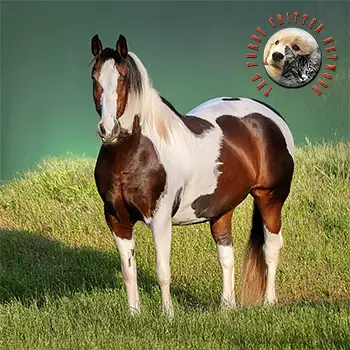
Trailering is the most common method of transporting Paint Horses, whether for a short trip to a local trail head or a multi-day haul to a distant show. Selecting the right trailer is the first step in ensuring a safe journey. Paint Horses, which typically stand between 14.2 and 16 hands and carry a muscular, stock-type build, generally travel comfortably in standard two-horse or three-horse slant-load trailers. Owners of taller or broader individuals should measure their horse's height and hip width before purchasing or renting a trailer to confirm adequate headroom and stall width.

Proper loading and securing techniques are critical to preventing injuries during transit. Paint Horses are generally cooperative loaders thanks to their calm temperaments, but even the most willing horse benefits from regular loading practice well before a scheduled trip. Horses should be tied with quick-release knots or trailer ties that allow enough slack for the animal to balance comfortably but not so much that it can turn around or become entangled. Shipping boots or leg wraps protect against bumps and scrapes, and a well-fitted head bumper guard shields the poll from overhead impacts.

Driving habits have a significant effect on the horse's comfort and safety during road travel. Smooth acceleration, gradual braking, and wide turns reduce the physical stress on a horse that is standing and balancing in a moving vehicle. Drivers should plan routes that minimize steep grades, tight switchbacks, and heavy traffic, and they should schedule rest stops every three to four hours to allow the horse to lower its head, drink water, and relieve muscle tension.

Health documentation is a practical necessity for road travel with Paint Horses. A current Certificate of Veterinary Inspection is required for interstate transport in most states, and proof of a negative Coggins test for equine infectious anemia must accompany the horse at all times. Owners should also carry copies of the horse's APHA registration papers, vaccination records, and emergency contact information for their veterinarian. Keeping these documents organized and easily accessible can save valuable time at state agricultural checkpoints and in the event of a roadside emergency.

Air Travel

Air transport is an option for Paint Horses that need to travel long distances quickly, whether for international competition, breeding, or relocation. Commercial equine air transport services operate dedicated cargo flights and shared charter flights that are equipped with specialized stalls designed to keep horses safe and comfortable at altitude. These stalls are typically padded, climate-controlled, and staffed by experienced grooms who monitor the horses throughout the flight.

The cost of flying a Paint Horse is substantial and varies depending on the distance, route availability, and level of service. Domestic flights within the United States can range from several thousand dollars to five figures for cross-country routes, while international shipments that involve customs clearance and quarantine can be significantly more expensive. Owners should request detailed quotes from multiple transport companies and confirm that the quoted price includes ground transport to and from the airports at both ends of the journey.

Preparing a Paint Horse for air travel requires advance planning. Horses must pass a pre-flight veterinary examination and meet all health certification requirements for the destination. Owners should ensure that their horse is current on vaccinations, has a negative Coggins test, and has been tested for any diseases required by the destination country's import protocols. The horse should also be accustomed to standing quietly in a confined space, as the air transport stall is smaller than a standard trailer stall and offers less room to move.

Stress management is an important consideration for horses traveling by air. The noise, vibration, and pressure changes associated with flight can be unsettling for animals that have not experienced air travel before. Experienced transport companies take steps to minimize stress by maintaining consistent lighting, providing hay and water throughout the flight, and using calm, experienced horses as travel companions when possible. Owners should discuss sedation protocols with their veterinarian, though many transport companies prefer that horses travel without sedation so they can maintain their balance during takeoff and landing.

Equine-Friendly Accommodations

Finding suitable overnight accommodations is one of the key logistical challenges of long-distance travel with a Paint Horse. A growing number of farms, ranches, and equestrian facilities across the United States offer overnight stabling for traveling horses, providing safe stalls, turnout areas, and access to water and feed. Online directories and mobile apps now make it relatively easy to locate these facilities along major travel corridors, and many allow advance reservations to guarantee a stall on busy weekends.

When evaluating a potential overnight stop, Paint Horse owners should consider the condition of the fencing, the cleanliness of the stalls, the availability of fresh water, and the proximity to veterinary services. It is also worth asking whether the facility isolates transient horses from its resident population, as biosecurity practices vary widely among layover facilities. Horses that are traveling through areas with active disease outbreaks should be kept separate from local animals to reduce the risk of transmission.

Some owners prefer to overnight their horses on the trailer rather than unloading at an unfamiliar facility. This approach can work for short stops but is not ideal for extended rest periods, as horses that remain on a trailer for prolonged periods are at increased risk of respiratory problems caused by poor ventilation and the inability to lower their heads fully. If overnighting on the trailer is unavoidable, owners should open all windows and vents, remove hay nets that may restrict head lowering, and check on the horse frequently throughout the night.

For owners who combine horse travel with personal vacationing, a number of dude ranches, guest ranches, and trail-riding resorts welcome visitors who bring their own horses. These facilities typically offer corrals or paddocks for guest horses, access to maintained trail systems, and on-site farrier and veterinary referrals. Planning a trip that incorporates a guest-ranch stay can turn a long-distance haul into a rewarding experience for both horse and rider.

Boarding & Professional Care

When travel plans do not include the horse, Paint Horse owners must arrange reliable care in their absence. Full-service boarding facilities offer daily feeding, turnout, stall cleaning, and basic health monitoring, providing a convenient option for owners who need professional oversight for their animals. Selecting a boarding facility requires careful evaluation of the barn's management practices, the quality of its feed and forage programs, the condition of its pastures and fencing, and the experience of its staff.

Private farm sitters and professional horse sitters offer an alternative to boarding for owners who prefer to keep their Paint Horses at home during their absence. A qualified sitter will follow the owner's feeding and turnout schedule, administer medications as needed, monitor the horse for signs of illness or injury, and contact the veterinarian in an emergency. Owners should provide detailed written instructions that cover the horse's daily routine, dietary requirements, known health issues, and the contact information for the veterinarian and farrier.

Insurance considerations are relevant when leaving a Paint Horse in the care of a third party. Owners should confirm that their equine insurance policy covers the horse while it is at a boarding facility or under the care of a sitter, and they should ask the boarding facility or sitter about their own liability and care-custody-and-control coverage. Clear communication about insurance responsibilities can prevent disputes in the event that the horse is injured or becomes ill during the owner's absence.

Trial stays are a useful way to evaluate a boarding facility or sitter before committing to a longer arrangement. A short overnight or weekend stay allows the owner to observe how the horse adjusts to the new environment and how the caretaker handles feeding, turnout, and any behavioral quirks specific to the individual animal. Paint Horses are generally adaptable and settle into new surroundings without difficulty, but every horse is an individual, and a trial stay can reveal compatibility issues that might not be apparent from a tour of the facility alone.

Emergency Preparedness

Emergency preparedness is an essential component of responsible Paint Horse ownership, whether at home or on the road. Natural disasters, severe weather events, trailer breakdowns, and sudden health crises can all occur with little warning, and having a plan in place before an emergency strikes can make the difference between a manageable situation and a catastrophic one. Every Paint Horse owner should maintain a written emergency plan that addresses evacuation routes, emergency contacts, and the location of the nearest equine veterinary hospital.

A well-stocked equine first-aid kit should travel with the horse at all times. Essential supplies include wound-care materials such as gauze, non-stick bandages, antiseptic solution, and self-adhesive wrap, as well as a digital thermometer, a stethoscope, and a supply of electrolyte paste. Owners should also carry a basic tool kit with fence pliers, a hoof pick, a flashlight, and a pocket knife, as well as a charged mobile phone and a backup power bank. Familiarity with basic first-aid techniques, such as how to apply a pressure bandage or assess vital signs, is invaluable in a roadside emergency.

Evacuation planning is particularly important for Paint Horse owners in regions prone to wildfires, hurricanes, flooding, or tornadoes. The plan should identify at least two evacuation routes from the property, designate a pre-arranged destination where the horses can be sheltered, and include a timeline for when to begin loading and moving animals relative to the anticipated onset of the emergency. Owners should practice loading their horses under simulated urgency so that the animals are accustomed to being handled quickly and calmly when time is short.

Community networks can be lifesaving during large-scale emergencies. Many equine communities maintain phone trees, social media groups, and volunteer trailer pools that can be activated when a disaster threatens. Paint Horse owners are encouraged to participate in these networks and to establish reciprocal agreements with neighboring horse owners who can provide temporary shelter, labor, and equipment in an emergency. The bonds formed through these mutual-aid arrangements strengthen the broader equine community and ensure that no horse owner faces a crisis alone.

Always consult a qualified professional before making any health-related decisions. This content is provided for informational reference only and should not replace professional guidance specific to your animal.