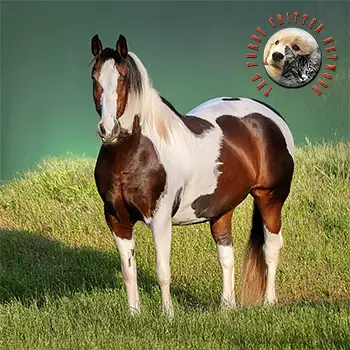

Paint Horses have been a staple of Western cinema since the genre's earliest days. Their bold coat patterns photograph dramatically on screen, and filmmakers have long relied on them to convey a sense of the untamed American frontier. From classic mid-century Westerns to modern revisionist films, spotted horses appear in countless cattle drives, chase sequences, and sweeping landscape shots, often cast specifically because their distinctive markings make them instantly recognizable to audiences.
Television Westerns of the 1950s and 1960s cemented the Paint Horse's association with cowboy culture in the minds of millions of viewers. Several long-running series featured pinto-patterned horses as the mounts of lead characters, and the visual impact of a brightly marked horse against dusty terrain became a defining aesthetic of the genre. These shows introduced the painted horse to suburban audiences who had never set foot on a ranch, broadening the breed's cultural reach far beyond its agricultural roots.
In more recent decades, Paint Horses have appeared in family films, historical dramas, and fantasy productions. Their calm temperaments make them reliable performers on busy sets, where loud equipment, unusual costumes, and unpredictable schedules can unsettle less experienced animals. Trainers frequently select Paint Horses for scenes that require close interaction with actors, knowing that the breed's steady disposition reduces the risk of on-set accidents.
Documentary filmmakers have also turned their cameras on the Paint Horse, producing features and short films that explore the breed's history, genetics, and role in modern equestrian life. These productions have aired on agricultural networks, streaming platforms, and public television, bringing the breed's story to audiences who might not seek out traditional horse-show coverage.