
Origins & Development

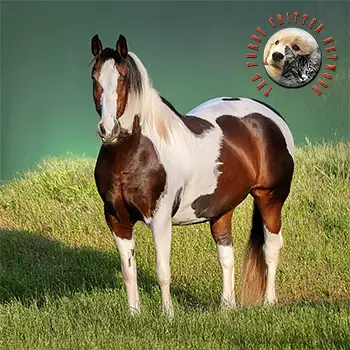
The American Paint Horse traces its ancestry to the spotted horses brought to North America by Spanish explorers in the early sixteenth century. These horses carried bloodlines from Barb, Andalusian, and Arabian stock, and their distinctive coat patterns made them immediately recognizable among the herds that spread across the Great Plains. As feral populations grew and mixed with indigenous horse stock, the pinto coloring persisted as a naturally occurring and highly visible trait across a wide range of body types.

By the nineteenth century, ranchers and cowboys in the American West had come to value spotted horses not merely for their appearance but for their endurance, agility, and calm dispositions. Many working ranch horses carried tobiano or overo patterns, and selective breeding began in earnest as cattlemen sought to combine performance traits with the eye-catching color they admired. These early breeding decisions laid the groundwork for a distinct population of stock-type horses whose color was inseparable from their working identity.

The formal development of the Paint Horse as a recognized breed began in the mid-twentieth century. In 1962, Rebecca Tyler Lockhart founded the American Paint Stock Horse Association, which merged with the American Paint Quarter Horse Association in 1965 to form the American Paint Horse Association. This consolidation gave breeders a unified registry, established performance and conformation standards, and set the stage for the Paint Horse to become one of the fastest-growing breed registries in the world.

Today the APHA maintains more than one million registered horses, making it the second-largest breed registry in the United States. The association recognizes horses with verifiable Quarter Horse or Thoroughbred bloodlines that also display the characteristic white and dark coat patterns. This dual emphasis on lineage and color ensures that the Paint Horse remains a stock-type athlete first and a color breed second, preserving the working heritage that defined the breed from its earliest days.

Historical Roles

Long before formal breed registries existed, spotted horses played vital roles in the cultures and economies of the American frontier. Native American nations, particularly the Comanche, prized pinto-colored horses for their beauty and believed their patterned coats carried spiritual significance. Warriors often selected painted horses for battle and ceremony, and the animals became symbols of status and power within Plains tribes.

As European settlers expanded westward, spotted horses proved themselves as dependable ranch and cattle horses. Their Quarter Horse heritage gave them the quick acceleration and cow sense needed for working livestock, while their calm temperaments made them safe mounts for long days on the trail. Paint-patterned horses were common in remudas from Texas to Montana, and many legendary ranches maintained lines of spotted stock well into the twentieth century.

In the arena, Paint Horses found a natural home in Western performance disciplines. Their agility and responsiveness made them competitive in cutting, reining, and roping events, and their striking appearance gave them an undeniable advantage in halter and showmanship classes. By the 1970s, APHA-sanctioned shows were drawing hundreds of entries, and the breed had established itself as a serious competitor in events that had long been dominated by solid-colored Quarter Horses.

Beyond the ranch and the show ring, Paint Horses also served as reliable trail and pleasure mounts. Their generally forgiving nature and willingness to work with novice riders made them popular with recreational horseback riders and youth programs. Therapeutic riding organizations also embraced the breed, finding that the horses' steady temperaments and manageable size were well suited to working with riders who had physical or cognitive disabilities.

Cultural Symbolism

The painted horse occupies a prominent place in the mythology and art of the American West. From Frederic Remington's bronze sculptures to Charlie Russell's sweeping oil paintings, spotted horses appear again and again as symbols of freedom, wildness, and the open frontier. Their patterned coats became visual shorthand for an untamed landscape, and the image of a paint horse running across a sunlit prairie remains one of the most enduring icons of Western Americana.

Native American cultures invested painted horses with deep spiritual meaning. In Lakota tradition, horses with distinctive markings were considered wakan, or sacred, and were often reserved for important ceremonies and battles. Ledger art from the nineteenth century frequently depicts warriors riding boldly patterned horses, underscoring the connection between the animals and the cultural identity of the people who kept them.

In contemporary popular culture, the Paint Horse continues to symbolize individuality and beauty. The breed's unique coat patterns mean that no two horses look exactly alike, and this one-of-a-kind quality resonates with owners who see their horses as extensions of their own personalities. Breed associations and marketing campaigns frequently emphasize the theme of uniqueness, positioning the Paint Horse as a breed that celebrates what makes each animal different.

The cultural footprint of the Paint Horse extends into civic life as well. Several U.S. states have designated the Paint Horse or pinto-patterned horses as state symbols or featured them in official tourism campaigns. Rodeos, parades, and county fairs across the West regularly showcase Paint Horses, keeping the breed visible in the communal rituals that define rural American identity.

Breed Clubs & Standards

The American Paint Horse Association, headquartered in Fort Worth, Texas, is the primary breed registry and governing body for Paint Horses worldwide. Founded in 1965 through the merger of two earlier organizations, the APHA has grown into a multimillion-dollar operation that oversees registration, competition, youth programs, and educational outreach. Its annual World Championship Show is one of the largest single-breed horse shows in the world, attracting thousands of entries from across North America and beyond.

To be eligible for regular registration, a horse must have at least one parent registered with the APHA and the other parent registered with APHA, the American Quarter Horse Association, or The Jockey Club (Thoroughbred). The horse must also display a minimum amount of white hair over unpigmented skin, which the APHA defines through specific color requirements for tobiano, overo, and tovero patterns. Horses that meet the bloodline requirements but lack sufficient color may be registered as Breeding Stock, allowing them to produce future foals eligible for full registration.

Conformation standards for the Paint Horse closely mirror those of the American Quarter Horse, emphasizing a muscular, compact build with a strong hindquarter, a deep chest, and a refined head. The breed standard values balance, structural correctness, and athletic ability, reinforcing the idea that the Paint Horse is a performance animal whose color is an added distinction rather than the sole criterion for quality.

Beyond the APHA, several international affiliates maintain Paint Horse registries in countries including Canada, Australia, Germany, and Brazil. These organizations work in coordination with the APHA to uphold consistent standards while adapting rules to local regulations and competition formats. The global reach of these registries reflects the breed's broad appeal and the international community of breeders and riders who have embraced the Paint Horse.

The Breed Today

The Paint Horse enjoys widespread popularity across a diverse range of equestrian disciplines. In Western performance events such as reining, cutting, and working cow horse, Paint Horses regularly compete at the highest levels and have earned world championships alongside their Quarter Horse cousins. The breed's combination of athletic talent and visual appeal also makes it a perennial favorite in halter, showmanship, and amateur owner classes.

Trail riding and recreational horsemanship represent the largest segment of Paint Horse ownership. Many owners are drawn to the breed not for competition but for the pleasure of riding a beautiful, well-tempered horse on backcountry trails and rural roads. The APHA has responded to this demographic by expanding its trail ride programs, recreational awards, and distance riding incentives, recognizing that the breed's future depends on engaging casual riders as well as serious competitors.

Breeding practices have evolved significantly in recent decades. Advances in reproductive technology, including artificial insemination and embryo transfer, have allowed breeders to access top-quality genetics regardless of geography. Color genetics research has also matured, giving breeders a much clearer understanding of how tobiano, overo, and splash white patterns are inherited. This knowledge has reduced the incidence of lethal white overo syndrome, a fatal genetic condition that can occur when two carriers of the frame overo gene are bred together.

The APHA's youth programs remain a cornerstone of the breed's vitality. Thousands of young riders participate in APHA-sanctioned shows, judging contests, and scholarship programs each year, building the next generation of horsemen and horsewomen within the Paint Horse community. These programs emphasize horsemanship skills, sportsmanship, and leadership, ensuring that the breed's cultural legacy is carried forward by informed and passionate advocates.

Notable Individuals

Among the most celebrated Paint Horses in breed history is Colonels Smoking Gun, known in the barn as Gunner. A 1993 sorrel overo stallion, Gunner earned an APHA Supreme Champion title and became one of the most prolific sires in the breed, producing world champions in reining, working cow horse, and halter. His influence on the modern Paint Horse gene pool is difficult to overstate, and his offspring continue to dominate show pens across multiple disciplines.

Another foundational sire is Yellow Mount, a 1960 tobiano stallion who became one of the APHA's earliest champions and a key figure in establishing the breed's performance credentials. Yellow Mount's offspring excelled in halter and Western pleasure, and his bloodline helped prove that Paint Horses could compete on equal footing with the best stock horses of any color. His legacy endures in the pedigrees of thousands of registered Paint Horses.

In the world of recreational and therapeutic riding, individual Paint Horses have earned recognition for their service and temperament. Numerous APHA-registered horses have been honored by therapeutic riding organizations for their work with disabled riders, and the breed's steady disposition has made it a go-to choice for programs that require horses capable of handling unpredictable movements and emotional situations with patience and calm.

The breed has also produced notable ambassadors in the world of exhibition and public outreach. Paint Horses have served as official mascots for rodeos, mounted patrol units, and equine-assisted learning programs. Their striking appearance and gentle nature make them natural public relations assets, and many breed enthusiasts volunteer their horses for school visits, community events, and parades, keeping the Paint Horse visible and accessible to audiences who might not otherwise encounter the breed.

Always consult a qualified professional before making any health-related decisions. This content is provided for informational reference only and should not replace professional guidance specific to your animal.