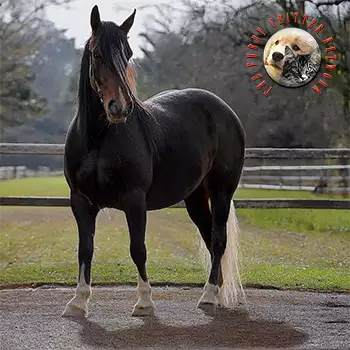

Horse ownership is governed by a patchwork of federal, state, and local regulations that vary significantly by jurisdiction. In the United States, horses are generally classified as livestock under agricultural law, which affects everything from zoning permissions to tax treatment and liability standards. This classification carries important practical consequences for Oldenburg owners, particularly those who keep their horses on private property rather than at commercial boarding facilities. Understanding the legal framework that applies to equine ownership in your specific area is an essential first step for any prospective or current Oldenburg owner.
Purchase agreements for Oldenburgs, especially those involving high-value sport horses, should be drafted with care and reviewed by an attorney familiar with equine transactions. Key provisions typically address the terms of sale, pre-purchase veterinary examination results, registration and transfer of papers, and any warranties or representations regarding the horse's health, training level, or competitive record. Given that Oldenburgs frequently command significant prices, particularly those from proven bloodlines or with competition records, a well-constructed sales contract protects both buyer and seller from disputes that might otherwise arise after the transaction is completed.
Leasing arrangements represent another common legal structure in the Oldenburg world, particularly for riders who want access to a high-quality competition horse without the full financial commitment of ownership. Lease agreements should clearly define the responsibilities of each party regarding veterinary care, farrier services, insurance, competition expenses, and the conditions under which the lease may be terminated. The value and athletic potential of most Oldenburgs make it especially important that these agreements are thorough and unambiguous.
Registration and pedigree documentation carry legal significance for Oldenburg owners, as the breed's value is closely tied to its registry status. Transfer of registration papers must accompany any change of ownership, and buyers should verify that papers are legitimate and current before completing a purchase. The Oldenburg registries maintain strict protocols for recording ownership transfers, and failure to complete these procedures properly can create complications for future sales, breeding rights, and competition eligibility.