
Trailering & Road Travel

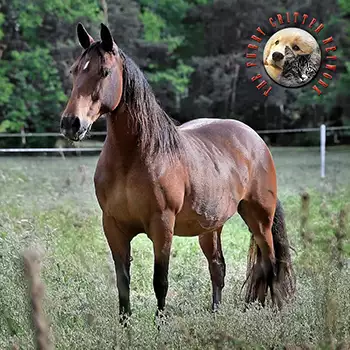
Morgans are generally well-suited to trailer travel thanks to their moderate size and typically calm, cooperative temperament. Most Morgans fit comfortably in standard two-horse or slant-load trailers without the headroom and width concerns that arise with larger breeds. However, proper trailer fit remains important, and owners should ensure that their Morgan can stand, shift its weight, and lower its head comfortably during transit without being cramped or at risk of injury from contact with trailer walls or partitions.

Trailer training should begin well before the first real trip. Introducing a Morgan to the trailer gradually — allowing it to explore the trailer at liberty, feeding meals inside, and practicing short loading sessions — builds confidence and reduces the stress of travel. Morgans' reputation for intelligence and willingness to please means they often take to trailer loading readily, but patience during the initial introduction pays dividends in the form of a horse that self-loads reliably for years to come.

Safe trailering practices include inspecting the trailer before each trip for structural integrity, checking tire pressure and condition, verifying that floor boards are solid and free of rot, and ensuring that all latches, doors, and safety mechanisms function properly. The tow vehicle should be rated appropriately for the combined weight of the trailer, horses, and equipment. Driving with a loaded horse trailer requires wider turns, longer stopping distances, and reduced speeds compared to normal driving, particularly on curves and in adverse weather.

For long-distance hauls, plan stops every three to four hours to offer water, check on the horse, and allow a brief rest. Morgans traveling long distances benefit from hay nets that allow them to eat during transit, as continuous chewing promotes saliva production and helps buffer stomach acid. Shipping boots or leg wraps protect against minor impacts during travel, and a well-fitted leather halter is preferable to a nylon one, as leather will break under extreme pressure rather than trapping a panicked horse.

Commercial Shipping & Long-Distance Transport

When distance, logistics, or personal circumstances make self-hauling impractical, commercial equine transport companies offer professional shipping services for Morgan horses. These services range from direct single-horse shipments to shared-load arrangements where multiple horses travel together on a large commercial van. Commercial shippers typically handle all aspects of transit including health certificate verification, scheduled rest stops, feeding and watering, and communication with the owner throughout the journey.

Selecting a reputable commercial shipper requires research and due diligence. Owners should verify that the company carries adequate insurance, including both liability and cargo coverage that protects against injury or loss of the horse during transit. Asking for references from previous clients, checking reviews within the equine community, and confirming that the company is licensed by the U.S. Department of Transportation are all important steps in choosing a reliable shipper.

The cost of commercial equine transport varies based on distance, route popularity, time of year, and service level. Direct shipments are more expensive but minimize transit time and reduce the horse's exposure to unfamiliar animals. Shared-load shipments are more economical but may involve longer travel times as the van makes multiple pickup and delivery stops along its route. Owners should discuss scheduling, estimated transit time, and the shipper's protocols for handling emergencies before booking transport.

Preparing a Morgan for commercial shipping involves ensuring that all health documentation is current and in order, providing the shipper with detailed feeding instructions and any medication schedules, and supplying the horse's own hay or feed if possible to minimize digestive disruption. Clear communication about the horse's temperament, loading habits, and any behavioral quirks helps the shipping crew handle the horse safely and reduces stress for everyone involved.

Equine-Friendly Accommodations & Trail Access

Traveling with a Morgan for trail riding, competitions, or pleasure trips requires advance planning to secure equine-friendly overnight accommodations along the route and at the destination. A growing network of horse motels, equestrian campgrounds, and private farms offering overnight stabling has developed across the United States to serve traveling horse owners. Online directories and mobile applications dedicated to equine travel list available facilities, amenities, and user reviews to help owners plan their routes.

State and national parks, national forests, and Bureau of Land Management lands offer extensive trail riding opportunities for Morgan owners, though regulations governing equine use vary by jurisdiction. Some parks require advance permits for horseback riding, designate specific trails for equine use, and mandate the use of certified weed-free hay to prevent the spread of invasive plant species. Researching and complying with these requirements before arrival prevents disappointment and potential fines.

Morgans' moderate size and surefootedness make them excellent trail horses, and their endurance allows them to cover significant distances over varied terrain. When planning multi-day trail rides, owners should consider the horse's fitness level, the difficulty of the terrain, and the availability of water sources along the trail. Conditioning a Morgan gradually for the demands of extended trail work in the weeks before a trip helps prevent overexertion and injury.

Competition venues and fairgrounds that host Morgan shows typically provide on-site stabling for visiting horses. Stall reservations often fill quickly for major events, and early booking is advisable. Owners should inquire about stall sizes, bedding provisions, facility biosecurity protocols, and the availability of wash racks, warm-up arenas, and veterinary services. Bringing familiar bedding, feed, and water buckets from home can help a Morgan settle more quickly in an unfamiliar show environment.

Boarding & Care While Away

Morgan owners who travel without their horses need reliable boarding arrangements to ensure their animals receive proper care in their absence. Full-service boarding facilities offer daily turnout, feeding, stall cleaning, and basic health monitoring, while some also provide exercise programs, training rides, and grooming services. Evaluating a boarding facility in person before committing is essential — observing the condition of the horses already in residence, the cleanliness of the facility, the quality of the fencing, and the overall atmosphere provides valuable insight.

Boarding contracts should clearly specify the services provided, the daily or monthly rate, payment terms, and liability provisions. Key details to confirm include the feeding schedule and rations, turnout hours and group composition, the facility's protocol for handling veterinary emergencies, and whether the owner's veterinarian and farrier will have access to the horse. Morgans with specific dietary needs, medication schedules, or management requirements should have these details documented in writing.

Professional pet-sitting services that specialize in farm and equine care offer an alternative to boarding for Morgan owners who prefer to keep their horses at home. These services send experienced equine caretakers to the owner's property to handle daily chores including feeding, turnout, stall cleaning, and health checks. Hiring a farm sitter preserves the horse's routine and eliminates the stress of transport and adaptation to a new environment, though it requires a high level of trust in the caretaker.

Regardless of the arrangement chosen, owners should ensure that an emergency contact plan is in place and that the caretaker has authorization to make veterinary decisions up to a specified cost threshold. Leaving a folder with the horse's health records, farrier schedule, feed instructions, insurance information, and emergency veterinary contact details ensures that the caretaker has everything needed to manage routine care and respond to unexpected situations.

Emergency Preparedness

Emergency preparedness is an essential component of responsible Morgan horse ownership, encompassing natural disaster planning, roadside emergencies during transport, and on-farm crisis response. Every Morgan owner should develop a written emergency plan that identifies evacuation routes, designates alternative housing for horses if the home facility becomes unsafe, and lists emergency contacts including veterinarians, farriers, and neighbors who can assist with animal handling.

Natural disasters such as wildfires, hurricanes, floods, and severe winter storms pose significant risks to horses and equine facilities. Owners in disaster-prone regions should maintain a go-kit for each horse that includes halters, lead ropes, leg wraps, a first aid kit, a three-day supply of feed and medications, and copies of registration papers, health certificates, and photographs of the horse for identification. Practicing loading and evacuation procedures in advance ensures that horses can be moved quickly when time is critical.

Roadside emergencies during trailer travel can range from flat tires to trailer breakdowns to traffic accidents. Carrying a well-stocked emergency kit in the tow vehicle — including basic tools, a spare tire for the trailer, reflective triangles, a flashlight, and a first aid kit for both horses and humans — prepares owners to manage minor incidents safely. In the event of a serious accident or trailer malfunction, knowing how to safely unload a horse from a damaged trailer can be lifesaving, and many equine organizations offer training workshops on emergency horse handling.

Health emergencies that occur away from home require immediate access to veterinary care. Before traveling with a Morgan, owners should identify equine veterinary clinics along the route and at the destination, noting their hours, emergency availability, and contact information. Carrying a basic equine first aid kit that includes wound care supplies, a digital thermometer, banamine paste, and leg wraps allows owners to provide initial care while arranging professional veterinary attention.

Community preparedness networks have emerged in many areas where horse ownership is common. These networks coordinate evacuation assistance, temporary housing for displaced horses, and mutual aid during emergencies. Morgan owners can strengthen their emergency readiness by connecting with local equine disaster response organizations, volunteering for community preparedness drills, and building relationships with neighboring horse owners who can provide support during a crisis.

Always consult a qualified professional before making any health-related decisions. This content is provided for informational reference only and should not replace professional guidance specific to your animal.