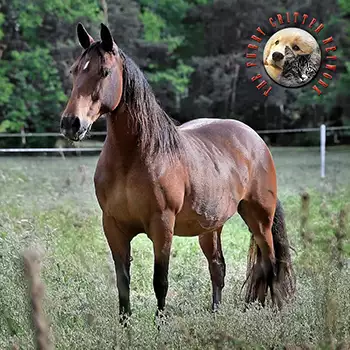

Film & Television

The Morgan horse's most prominent moment in cinema came with the 1972 film adaptation of Marguerite Henry's beloved novel about the breed's founding stallion. The movie brought the story of Justin Morgan and his remarkable horse to a wide audience, introducing millions of viewers to the breed's origins through a family-friendly narrative set in late eighteenth-century Vermont. While taking some creative liberties with the historical record, the film succeeded in establishing the Morgan as a recognizable breed in the popular imagination.

Beyond dedicated breed features, Morgans have appeared as working horses in numerous period films and television productions set in colonial and nineteenth-century America. Their compact build, elegant carriage, and historically appropriate appearance make them natural choices for productions seeking authenticity in their equine cast. Directors and horse wranglers have frequently selected Morgans for roles requiring horses that look at home pulling carriages or carrying riders through New England landscapes.

Television documentaries about American horse breeds have regularly featured the Morgan, often highlighting the breed's founding story and its influence on other breeds. Programs on nature and agricultural channels have visited the University of Vermont Morgan Horse Farm and profiled breeders working to preserve heritage bloodlines. These productions have helped sustain public awareness of the breed's historical importance and its continued relevance in modern equestrian life.

Morgans have also appeared in equestrian competition broadcasts, particularly in driving and saddle seat events. Coverage of the Grand National and World Championship Morgan Horse Show has introduced television audiences to the breed's athletic abilities and the depth of its competitive community. While horse show coverage reaches a niche audience compared to mainstream entertainment, it has been instrumental in attracting new enthusiasts to the breed.

Literature & Art

Marguerite Henry's novel about the founding of the Morgan breed remains the most influential literary work associated with any single horse breed. Published in the mid-twentieth century, the book became a staple of children's libraries and school reading lists across the United States. Generations of young readers encountered the Morgan breed for the first time through Henry's vivid storytelling, and countless Morgan owners trace their love of the breed to childhood reading of this classic work.

The Morgan has also been the subject of numerous breed-specific histories and reference books. Authors and historians have devoted extensive research to tracing the breed's genealogy, documenting its role in American history, and profiling significant horses and breeders. These works range from scholarly treatments of Morgan bloodlines to accessible popular histories aimed at general equestrian audiences, collectively forming one of the richest literary libraries of any American horse breed.

In visual art, the Morgan has been a frequent subject for equine painters and sculptors. The breed's distinctive conformation — muscular compactness combined with elegance and animation — makes it visually appealing to artists. Paintings and bronzes of famous Morgan stallions are prized by collectors, and Morgan imagery appears regularly in equestrian art exhibitions and publications. The breed's visual distinctiveness ensures that a well-rendered Morgan is immediately recognizable to knowledgeable viewers.

Poetry and personal essays about Morgan horses have found a devoted readership within the equestrian community. The breed's reputation for forming deep bonds with its owners has inspired reflective writing about the human-horse relationship, and Morgan-specific magazines and newsletters have provided regular outlets for literary expression. This tradition of personal storytelling has strengthened the sense of community among Morgan enthusiasts and contributed to the breed's cultural presence.

Internet & Social Media

The Morgan horse community has embraced social media as a powerful tool for breed promotion and community building. Dedicated Morgan groups on major social platforms host thousands of members who share photographs, training videos, competition results, and breeding news. These online communities have connected Morgan enthusiasts across geographic boundaries, allowing a breeder in Vermont to exchange knowledge with a rider in California or a driving enthusiast in Sweden.

Video-sharing platforms have become particularly important for showcasing the Morgan's versatility. Owners and trainers regularly post content showing Morgans excelling in a wide range of disciplines — from formal saddle seat competition to rugged mountain trail rides to elegant carriage driving. This visual documentation of the breed's adaptability serves as compelling evidence of the Morgan's all-around capabilities and has attracted interest from equestrians in other breed communities.

The Morgan's photogenic qualities have made it a popular subject for equine photography accounts. The breed's expressive face, arched neck, and animated movement photograph beautifully, and skilled photographers have produced stunning images that circulate widely on social platforms. These images help maintain the Morgan's visibility in a crowded online equine landscape dominated by more numerous breeds.

Online forums, breed-specific websites, and digital editions of Morgan publications have created a rich information ecosystem for current and prospective Morgan owners. Pedigree databases, virtual farm tours, and educational content about Morgan history and care are readily accessible, lowering barriers to entry for people interested in the breed. The digital presence of the Morgan community has been instrumental in sustaining interest in the breed among younger generations who discover horses primarily through online channels.

Advertising & Branding

The Morgan horse has appeared in advertising campaigns that seek to evoke themes of American heritage, craftsmanship, and reliability. The breed's association with New England traditions and its founding story of humble excellence make it an appealing symbol for brands that want to project authenticity and enduring quality. Vermont-based businesses, in particular, have used Morgan imagery to reinforce connections to the state's rural identity and agricultural heritage.

Within the equine industry, the Morgan has been featured in advertisements for feed companies, tack manufacturers, and equestrian lifestyle brands. The breed's versatility makes it useful for marketing campaigns that need to show a single horse in multiple contexts — under saddle, in harness, and on the trail. This flexibility allows advertisers to demonstrate product range while using a single, visually consistent breed.

The American Morgan Horse Association has developed its own branding and promotional materials to raise awareness of the breed among the general public and within the broader equestrian community. Marketing campaigns have emphasized the Morgan's suitability as a family horse, its competitive achievements, and its historical significance. These efforts have helped position the Morgan as both an accessible breed for newcomers and a serious competitor for experienced equestrians.

Regional tourism boards in New England have occasionally incorporated Morgan horses into promotional materials for heritage tourism. The University of Vermont Morgan Horse Farm is marketed as a tourist destination, and Morgan-themed events and trail rides have been used to attract equestrian tourism dollars. The breed's strong association with specific geographic regions gives it branding value that few other horse breeds can match.

The Popularity Effect

Media exposure has had a measurable impact on Morgan horse registrations and public interest over the decades. Following major media events — the release of the feature film, popular television segments, or widely shared social media content — breeders have reported increased inquiries from prospective buyers and riders interested in the breed. This pattern demonstrates the direct relationship between cultural visibility and breed popularity that affects all horse breeds.

However, the Morgan community has generally avoided the dramatic boom-and-bust cycles that have affected some breeds following sudden media-driven popularity. The breed's relatively modest media profile, compared to breeds like the Friesian or the Gypsy Vanner that have experienced social media-fueled demand spikes, has allowed the Morgan market to remain more stable. Breeders and breed organizations have tended to focus on educating prospective owners rather than capitalizing on trend-driven demand.

The steady cultural presence of the Morgan in literature, regional identity, and equestrian competition has created a durable foundation of breed awareness that does not depend on any single media event. People who discover the Morgan through its founding story, encounter one at a historical site, or see one compete in a driving event tend to develop a deep appreciation for the breed that translates into long-term involvement rather than passing interest.

Looking ahead, the Morgan community faces the challenge of maintaining cultural relevance in an era of rapidly shifting media attention. Younger equestrians increasingly discover breeds through social media algorithms and viral content, and the Morgan must compete for attention with more visually dramatic breeds. Breed organizations and individual enthusiasts have recognized this challenge and are investing in professional-quality digital content, educational outreach, and youth programs designed to introduce the next generation to the Morgan's unique combination of history, versatility, and character.

Always consult a qualified professional before making any health-related decisions. This content is provided for informational reference only and should not replace professional guidance specific to your animal.