
Film & Television

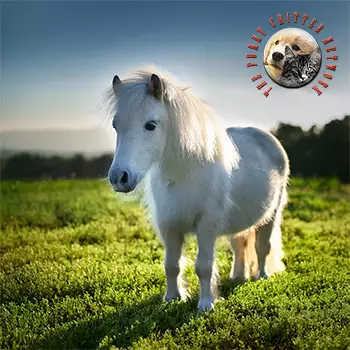
Miniature Horses have made memorable appearances across film and television, often cast for their visual appeal and the inherent charm of a perfectly proportioned horse in a compact frame. Their appearances in sitcoms and comedy programs have been particularly effective, as the contrast between their small stature and the grandeur typically associated with horses creates natural comedic moments. Writers and producers have frequently used Miniature Horses as unexpected elements in domestic settings, placing them in living rooms, offices, and other spaces where a full-sized horse would be impossible.

Television comedies have embraced Miniature Horses as recurring characters and memorable guest appearances. The animals' calm temperaments make them well suited to the demands of a production set, where they must tolerate bright lights, unfamiliar people, and repeated takes. Trainers who specialize in working with Miniature Horses for film and television note that the animals' intelligence and willingness to learn make them reliable performers, capable of hitting marks and responding to cues with consistency.

Documentary and reality programming has also featured Miniature Horses prominently. Programs focused on animal rescue, veterinary medicine, and unusual pets have devoted episodes and entire series to the breed, introducing viewers to the realities of Miniature Horse ownership, breeding, and care. These programs have helped demystify the breed for audiences who may have seen Miniature Horses only in comedic contexts, presenting them as real animals with genuine needs rather than novelty props.

Children's programming has found Miniature Horses to be natural fits for educational content about animals and farm life. Their size makes them less intimidating than full-sized horses, and their gentle natures allow young actors and presenters to interact with them safely on camera. Several popular children's shows have featured Miniature Horse segments that teach basic animal care concepts while entertaining young viewers.

Literature & Art

Miniature Horses have inspired a modest but growing body of literature, ranging from children's picture books to breed-specific reference guides. Children's authors have found the Miniature Horse to be an appealing subject, as the animals' small size and friendly dispositions translate naturally into stories about friendship, courage, and overcoming challenges. Picture books featuring Miniature Horse characters often emphasize themes of being small but capable, resonating with young readers who identify with the idea of proving oneself despite physical limitations.

Breed guides and care manuals form another significant category of Miniature Horse literature. As the breed has grown in popularity, publishers have responded with comprehensive books covering everything from breeding and conformation to training, showing, and health management. These reference works serve both newcomers to the breed and experienced owners looking to deepen their knowledge, and many have become standard texts within the Miniature Horse community.

In the visual arts, Miniature Horses appear in equine portraiture, photography, and sculpture. Equine artists who specialize in realistic portraiture have found a market among Miniature Horse owners who commission paintings and drawings of their animals. The breed's distinctive proportions present unique artistic challenges, as the artist must convey the horse's small scale while capturing the same elegance and presence expected in portraits of full-sized horses.

Photography has been perhaps the most impactful artistic medium for Miniature Horses, with professional equine photographers creating striking images that showcase the breed's beauty and personality. These photographs appear in breed magazines, calendars, and promotional materials, and they have played an important role in shaping public perception of the Miniature Horse as a refined and attractive animal rather than a mere novelty.

Internet & Social Media

The internet age has been transformative for the Miniature Horse's public profile. Social media platforms have provided a stage where individual Miniature Horses can reach audiences of millions, and the breed's photogenic qualities and entertaining behaviors make it ideally suited to short-form video content. Clips of Miniature Horses playing, learning tricks, interacting with other animals, and simply being adorable routinely accumulate millions of views across major platforms.

Individual Miniature Horses have become genuine social media celebrities, with dedicated accounts managed by their owners attracting hundreds of thousands of followers. These accounts typically feature daily content documenting the horse's activities, training sessions, veterinary visits, and interactions with family members and other pets. The parasocial relationships that develop between followers and these equine personalities have created engaged communities that extend well beyond traditional horse enthusiast circles.

Miniature Horses have also become popular subjects for memes and viral content. Their expressions, which can appear surprisingly human-like in photographs, lend themselves to humorous captioning, and their unexpected appearances in non-farm settings generate the kind of delightful incongruity that drives sharing behavior on social media. The breed has benefited enormously from this organic exposure, reaching demographics that would never encounter Miniature Horses through traditional equine media channels.

Online communities dedicated to Miniature Horse ownership, breeding, and showing have flourished alongside the breed's social media presence. Forums, groups, and community pages provide spaces where owners can share advice, troubleshoot health and behavior issues, and connect with others who share their passion. These digital communities have been particularly valuable for Miniature Horse owners in rural or isolated areas, providing access to expertise and fellowship that might otherwise be difficult to find.

Advertising & Branding

Miniature Horses have proven to be effective in advertising, where their visual distinctiveness and broad appeal make them memorable brand ambassadors. Advertisers have used Miniature Horses in campaigns for products ranging from automobiles to insurance, leveraging the animals' ability to attract attention and generate positive emotional responses. The contrast between a tiny horse and the everyday human world creates imagery that is inherently eye-catching and difficult to forget.

Some of the most successful advertising campaigns featuring Miniature Horses have aired during high-profile television events, reaching tens of millions of viewers simultaneously. These commercials have typically used the Miniature Horse as a symbol of aspiration, perseverance, or heartwarming connection, tapping into the emotional qualities that audiences project onto the animals. The campaigns have often been recognized with industry awards and have generated significant secondary coverage in news and social media.

Beyond traditional advertising, Miniature Horses have become fixtures at corporate events, product launches, and promotional appearances. Companies seeking to create memorable experiences for clients and customers have hired Miniature Horses and their handlers to attend events, providing photo opportunities and interactive moments that generate social media content and word-of-mouth buzz. The animals' calm demeanor in crowded, noisy environments makes them well suited to this role.

The Miniature Horse's association with therapy and emotional support has also influenced its use in branding. Organizations focused on wellness, caregiving, and community service have adopted Miniature Horse imagery in their logos, marketing materials, and outreach programs. This association reinforces the breed's reputation as a source of comfort and connection, and it has helped position the Miniature Horse as a symbol of compassion in the public consciousness.

The Popularity Effect

Media exposure has had a measurable impact on the popularity of Miniature Horses, driving increases in breed registrations, sales inquiries, and attendance at Miniature Horse events following major television appearances, viral moments, and advertising campaigns. This surge in interest is a double-edged phenomenon, bringing new enthusiasts into the breed while also attracting impulse buyers who may not fully understand the responsibilities of Miniature Horse ownership.

Breed organizations and experienced owners have responded to media-driven popularity spikes by increasing their educational outreach. Following major media events, registries and breed clubs often see increases in inquiries from people who have never owned a horse of any size and may not realize that Miniature Horses require many of the same care commitments as their full-sized counterparts. Organizations have developed educational materials specifically aimed at first-time owners attracted to the breed through media exposure, covering topics such as nutrition, hoof care, dental needs, and appropriate housing.

The popularity effect has also influenced breeding practices, sometimes in concerning ways. When demand for Miniature Horses rises sharply, some breeders may prioritize producing as many foals as possible over maintaining health and conformation standards. Responsible breeders and breed organizations have worked to counter this trend by emphasizing the importance of health testing, genetic screening, and careful breeding decisions, even when market conditions might tempt shortcuts.

Despite these challenges, the overall impact of media exposure on the Miniature Horse community has been positive. Greater visibility has brought more resources, more research attention, and more advocates to the breed. The community has grown in both size and sophistication, with better veterinary care, more refined breeding programs, and stronger networks of support for owners at every level of experience. Media attention, managed thoughtfully, has helped ensure that the Miniature Horse remains one of the most beloved and accessible equine breeds in the world.

Always consult a qualified professional before making any health-related decisions. This content is provided for informational reference only and should not replace professional guidance specific to your animal.