
Zoning & Land Use Regulations

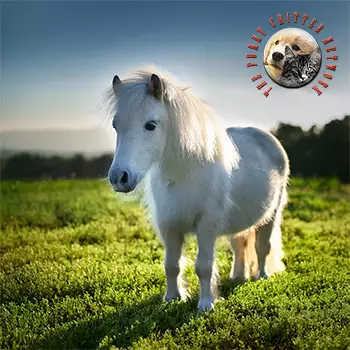
One of the most significant legal considerations for Miniature Horse owners is zoning. Because Miniature Horses are classified as equines rather than household pets in most jurisdictions, they are typically subject to the same zoning restrictions that apply to full-sized horses. This means that keeping a Miniature Horse on a residential property may require the land to be zoned for agricultural or equestrian use, even though the animal's space and care requirements are considerably more modest than those of a standard horse.

Zoning regulations vary widely between municipalities, counties, and states. Some jurisdictions have adopted provisions that distinguish between large livestock and smaller equines, allowing Miniature Horses on properties that would not be approved for full-sized horses. Others apply blanket equine restrictions regardless of the animal's size. Prospective owners should research local zoning codes thoroughly before acquiring a Miniature Horse and should contact their local zoning or planning office to confirm whether their property qualifies.

Homeowners' associations present an additional layer of regulation that can affect Miniature Horse ownership. Many HOAs have covenants that prohibit livestock or farm animals on member properties, and these restrictions may apply to Miniature Horses regardless of local zoning permissions. Because HOA covenants are contractual obligations, they can be more difficult to challenge than municipal zoning codes. Owners considering a Miniature Horse should review their HOA agreements carefully and seek clarification from the association's board if the language is ambiguous.

Some Miniature Horse owners have successfully petitioned for zoning variances or exceptions that allow them to keep their animals on properties not otherwise zoned for equines. These petitions typically require demonstrating that the Miniature Horse will not create nuisances such as excessive noise, odor, or traffic, and that the property has adequate space and facilities for the animal's care. The success of such petitions depends heavily on local attitudes, the specific zoning framework, and the owner's willingness to meet conditions imposed by the zoning authority.

Service Animal & Accessibility Law

Miniature Horses hold a unique position in United States accessibility law. Under the Americans with Disabilities Act, miniature horses are specifically recognized as an alternative to dogs for certain service animal functions. The ADA's revised regulations, implemented in 2011, established that while dogs are the primary species recognized as service animals, entities must make reasonable modifications to allow miniature horses that have been individually trained to perform tasks for people with disabilities.

The ADA outlines four assessment factors that entities should consider when determining whether a miniature horse can be accommodated: whether the horse is housebroken, whether the handler has sufficient control of the animal, whether the facility can accommodate the horse's type, size, and weight, and whether the horse's presence would compromise legitimate safety requirements. These factors give businesses and public entities a framework for evaluation while preserving the rights of handlers who rely on miniature horses for assistance.

The distinction between service animals and emotional support animals is particularly important for Miniature Horse owners. While a Miniature Horse that has been individually trained to perform specific tasks for a person with a disability qualifies for ADA protections, a Miniature Horse kept solely for emotional comfort without task-specific training does not receive the same legal protections under the ADA. The Fair Housing Act and the Air Carrier Access Act have their own frameworks for emotional support animals, and Miniature Horse owners should understand the differences between these various legal protections.

State laws regarding service animals may provide additional protections or impose additional requirements beyond federal law. Some states have enacted statutes that specifically address miniature horses as service animals, while others rely on the federal ADA framework. Owners who use Miniature Horses as service animals should familiarize themselves with both federal and state requirements to ensure they understand their rights and responsibilities in their specific jurisdiction.

Liability & Insurance

Liability is a significant concern for Miniature Horse owners, as equines can cause property damage and personal injury even at their reduced size. Many states have equine activity liability statutes that provide some degree of protection to horse owners and operators of equine activities, but the scope of these protections varies considerably. Owners should understand whether their state's equine liability law applies to Miniature Horses and what activities and situations it covers.

Homeowner's insurance policies may not automatically cover equine-related incidents. Many standard policies exclude livestock or farm animals from their liability coverage, which could leave a Miniature Horse owner personally exposed if their animal injures a visitor or damages a neighbor's property. Owners should review their insurance policies carefully and discuss Miniature Horse ownership with their insurance provider to determine whether additional coverage, such as an equine liability rider or a separate equine insurance policy, is needed.

For owners who offer Miniature Horse experiences to the public, such as therapy visits, birthday party appearances, or educational programs, liability considerations become even more complex. These activities typically require dedicated commercial liability insurance that covers interactions between the horse and members of the public. Many insurance companies that specialize in equine coverage offer policies tailored to therapy and public interaction programs, and owners engaged in these activities should work with an agent experienced in equine risk management.

Liability waivers are commonly used in equine activities, but their enforceability varies by jurisdiction. Some states uphold properly drafted waivers as valid protections against negligence claims, while others limit or prohibit their use, particularly when minors are involved. Miniature Horse owners who host visitors or conduct public programs should consult with an attorney familiar with equine law in their state to develop appropriate waiver documents and risk management protocols.

Housing & Property Restrictions

Housing restrictions for Miniature Horse owners extend beyond zoning to encompass a range of property-related regulations. Many municipalities have specific requirements for equine housing, including minimum lot sizes, setback distances from property lines and neighboring structures, manure management plans, and fencing standards. These requirements may be designed with full-sized horses in mind, and Miniature Horse owners sometimes find that the regulations impose impractical or excessive standards for their smaller animals.

Rental properties present particular challenges for Miniature Horse owners. Landlords are generally not required to permit livestock on rental properties unless the animal qualifies as a service animal or an assistance animal under applicable law. Even when a Miniature Horse qualifies for protections under the Fair Housing Act, the landlord may argue that accommodating the animal would constitute an undue burden or a fundamental alteration to the nature of the property. Navigating these situations often requires documentation from medical professionals and familiarity with fair housing procedures.

Water and environmental regulations may also affect Miniature Horse owners, particularly in areas with strict watershed protection or water quality standards. Manure runoff from equine properties can impact local waterways, and some jurisdictions require property owners who keep horses to implement best management practices for manure storage and disposal. While a single Miniature Horse produces far less waste than a full-sized horse, owners in environmentally sensitive areas should be aware of applicable regulations and take steps to comply.

Noise and nuisance ordinances can come into play when Miniature Horses are kept in areas with close neighbors. While Miniature Horses are generally quieter than many other livestock species, they can vocalize, and their presence may attract attention from neighbors who are unfamiliar with equines. Proactive communication with neighbors, proper property maintenance, and attention to odor and fly control can help prevent complaints and maintain positive community relationships.

Import, Export & Transport Regulations

Transporting Miniature Horses across state lines or international borders involves a complex set of regulations designed to prevent the spread of equine diseases. Within the United States, most states require a current Certificate of Veterinary Inspection, commonly known as a health certificate, for any horse entering the state. These certificates must be issued by an accredited veterinarian within a specified time frame before transport, typically thirty days, and must document that the horse is free of signs of infectious disease.

Coggins testing, which screens for Equine Infectious Anemia, is required by most states for horses being transported across state lines. The test must typically be current within the preceding twelve months, though some states and events require more recent results. Miniature Horse owners who travel frequently for shows, therapy visits, or other activities should maintain current Coggins documentation and be familiar with the requirements of every state they plan to enter.

International transport of Miniature Horses involves additional layers of regulation, including compliance with the importing country's animal health requirements, quarantine protocols, and customs procedures. The USDA's Animal and Plant Health Inspection Service oversees the export of equines from the United States and can provide guidance on the specific requirements for each destination country. Import requirements vary widely and may include extended quarantine periods, additional testing, and vaccination requirements beyond those standard in domestic travel.

Transport vehicle regulations also apply to Miniature Horses, though the specific requirements depend on whether the animal is being transported in a standard horse trailer, a modified vehicle, or a commercial carrier. Some states have regulations governing the design and maintenance of vehicles used to transport equines, including requirements for adequate ventilation, flooring, and partition safety. While Miniature Horses can sometimes be transported in vehicles smaller than those required for full-sized horses, owners must still ensure that the transport arrangement meets all applicable legal standards and provides for the animal's safety and comfort.

Rescue, Welfare & Cruelty Laws

Animal welfare and cruelty laws apply to Miniature Horses just as they do to all other equines, and owners are legally obligated to provide adequate food, water, shelter, and veterinary care. State anti-cruelty statutes define minimum standards of care and impose penalties for neglect and abuse that can range from fines to felony charges depending on the severity of the offense and the jurisdiction. Miniature Horses are sometimes at particular risk for certain forms of neglect, including obesity from overfeeding, dental neglect due to the misconception that small horses require less dental care, and inadequate hoof maintenance.

Rescue organizations that specialize in equines, including Miniature Horses, operate within a legal framework that governs their authority to receive, rehabilitate, and rehome animals. In most states, rescue organizations must work with local animal control or law enforcement to take possession of neglected or abused horses, and they may serve as temporary custodians while legal proceedings against the owner are pending. Some states have established lien laws that allow rescue organizations to recover the costs of caring for seized animals.

Adoption and rehoming of Miniature Horses through rescue organizations typically involves legal agreements that outline the responsibilities of the adopting party, including requirements for housing, fencing, veterinary care, and periodic inspections. These contracts are designed to prevent adopted horses from falling back into situations of neglect and to give the rescue organization legal standing to reclaim the animal if the terms of the adoption agreement are violated.

The intersection of Miniature Horse breeding and welfare law has become an area of increasing attention. Some jurisdictions have enacted or proposed regulations governing the number of animals that can be kept on a property, breeding frequency, and the conditions under which animals are bred and raised. These regulations are often prompted by cases involving hoarding or puppy-mill-style breeding operations applied to equines, and they reflect a growing recognition that breeding practices can have significant welfare implications for the animals involved.

Always consult a qualified professional before making any health-related decisions. This content is provided for informational reference only and should not replace professional guidance specific to your animal.