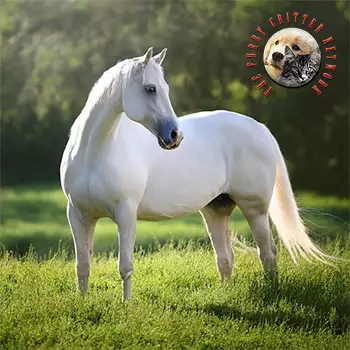

Origins & Development

The Hanoverian horse traces its roots to the early eighteenth century in the Electorate of Hanover, a territory in northwestern Germany that would eventually become part of the Kingdom of Hanover and later the modern German state of Lower Saxony. King George II of Great Britain, who was simultaneously the Elector of Hanover, founded the State Stud at Celle in 1735 with the express purpose of producing high-quality horses for agricultural work, cavalry service, and carriage driving. The stud initially stood imported Holsteiner stallions alongside local mares descended from robust northern European stock, laying the genetic groundwork for a breed that would evolve dramatically over the next three centuries.

During the late eighteenth and early nineteenth centuries, the breeding program at Celle expanded to incorporate Thoroughbred and Cleveland Bay bloodlines, refining the Hanoverian's movement and adding athleticism without sacrificing substance. Breeders sought a versatile all-purpose horse that could serve as a dependable mount for officers, pull a coach with elegance, and still work the fields when needed. This pragmatic approach to selection created a horse of medium to large frame, strong bone, and an even disposition — traits that remain hallmarks of the breed today.

By the mid-nineteenth century, the Hanoverian had earned a reputation across Europe as a reliable and adaptable breed. Demand from military buyers, aristocratic estates, and working farms drove steady expansion of the breeding population. Celle's meticulous record-keeping during this period established one of the earliest formal studbooks in warmblood breeding, a tradition of documentation that would become a model for sport-horse registries worldwide.

The transition from agricultural and military utility to modern sport began in earnest after the Second World War. Mechanization rendered the heavy carriage and farm type obsolete almost overnight, and German breeders responded by infusing additional Thoroughbred and Trakehner blood to lighten the frame, improve the gaits, and sharpen the reflexes of the Hanoverian. This deliberate modernization program, guided by rigorous performance testing and studbook inspections, transformed the breed into the elite competition horse recognized around the globe today.

Historical Roles

For much of its early history, the Hanoverian served as a dual-purpose military and carriage horse. Hanoverian cavalry mounts saw action during the Napoleonic Wars, where their stamina, courage, and trainability earned praise from officers. The breed's ability to remain calm under fire while responding promptly to rider aids made it especially suited to the demands of mounted warfare in an era when a reliable horse could be the difference between life and death.

Outside the battlefield, Hanoverians became prized carriage horses for the nobility and gentry of northern Germany. Their powerful yet elegant movement, combined with a calm temperament in harness, made them ideal for pulling state coaches through crowded city streets and along country roads. Driving competitions and public parades showcased the breed's grace, and ownership of a well-bred Hanoverian team signaled wealth and refined taste.

In the agricultural sphere, heavier strains of the Hanoverian pulled plows and wagons across the fertile plains of Lower Saxony. While never as draft-oriented as breeds like the Percheron or Shire, the working Hanoverian offered a balance of power and agility that made it valuable on smaller farms where a single horse had to fill multiple roles. This versatility — soldier, coachman's partner, and farmhand — defined the breed's identity for two hundred years.

The postwar pivot to sport riding marked a dramatic shift in the Hanoverian's purpose. Performance tests that once measured pulling power and endurance were redesigned to evaluate movement quality, jumping technique, and rideability. Within a few decades, the Hanoverian had become a dominant force in Olympic-level dressage and show jumping, a transformation that stands as one of the most successful breed modernization efforts in equestrian history.

Cultural Symbolism

The Hanoverian occupies a distinctive place in the cultural identity of Lower Saxony and the broader German equestrian community. The Hanoverian Verband's branded "H" is one of the most recognized logos in the sport-horse world, and foals that earn the brand carry a mark of quality that resonates with breeders and buyers on every continent. The brand itself has become a symbol of systematic excellence — a shorthand for the idea that careful selection, rigorous testing, and long-term planning can produce extraordinary results.

In German culture, the horse has long been associated with discipline, nobility, and partnership between human and animal. The Hanoverian, as Germany's most numerous warmblood breed, embodies these values in a particularly concrete way. Regional festivals, foal shows, and stallion licensing parades draw large crowds in Lower Saxony, functioning as community celebrations that reinforce local pride and connect modern horse enthusiasts to centuries of breeding tradition.

The breed's success on the international stage has also made it a cultural ambassador for German horsemanship. When Hanoverian-mounted riders compete at the Olympics, World Equestrian Games, or European Championships, they carry forward a legacy that links Celle's founding in 1735 to the modern ideal of the sport horse. This continuity between past and present gives the Hanoverian a narrative depth that few other breeds can match.

Beyond Germany, the Hanoverian has become a global symbol of warmblood breeding excellence. Breeding societies on every inhabited continent register Hanoverian horses, and the breed's influence has shaped the development of other warmblood populations in countries from the Netherlands to New Zealand. The Hanoverian's cultural footprint extends well beyond the show ring, representing a philosophy of breeding that values both tradition and innovation.

Breed Registries & Standards

The Hanoverian Verband, headquartered in Verden an der Aller in Lower Saxony, serves as the breed's primary registry and governing body. Founded in 1922 as a formal continuation of breeding records maintained at Celle since the eighteenth century, the Verband oversees studbook entries, mare inspections, stallion licensing, and performance testing for the breed in Germany. Its standards have long served as the benchmark against which other warmblood registries measure their own programs.

Stallion licensing is perhaps the most rigorous element of the Hanoverian breeding system. Young stallions must pass a detailed conformation and movement evaluation before a panel of expert judges, and only those that meet strict standards are approved for breeding. Licensed stallions are then required to complete performance tests that assess their gaits, jumping ability, rideability, and temperament under saddle. This two-stage selection process ensures that only horses demonstrating both physical quality and trainability contribute to the next generation.

Mare inspections follow a similarly structured protocol. Mares are evaluated for conformation, movement, and type, and receive scores that determine their studbook classification. Premium mares — those that earn the highest marks — are recognized with the prestigious State Premium title, which enhances their value as broodmares and signals to buyers that their offspring carry top-tier genetics. The emphasis on mare quality distinguishes the Hanoverian program from registries that focus primarily on stallion selection.

Internationally, affiliated Hanoverian societies operate in North America, Australia, South Africa, and elsewhere, maintaining breeding standards consistent with the German Verband. The American Hanoverian Society, for example, conducts its own mare and stallion inspections using judges trained in the Verband's evaluation criteria. This global network ensures that a Hanoverian registered in California or Queensland meets the same fundamental standards as one born in the shadow of Celle.

The Breed Today

The modern Hanoverian consistently ranks among the top warmblood breeds in the World Breeding Federation for Sport Horses standings, frequently earning the number-one position in dressage and placing highly in show jumping and eventing. This sustained competitive success reflects decades of disciplined breeding decisions and a willingness to adapt selection criteria as the demands of international sport evolve. Today's Hanoverian is lighter, more elastic, and more blood-influenced than its mid-twentieth-century predecessor, yet it retains the substance and reliability that have always defined the breed.

Breeding numbers remain robust, with thousands of foals registered annually through the Verband and its international affiliates. The breed's popularity with amateur and professional riders alike stems from its combination of athletic talent and cooperative temperament. A well-bred Hanoverian can excel at Grand Prix dressage or jump courses at the highest level, yet many individuals are also suitable for ambitious amateurs seeking a horse that is competitive but forgiving enough to build confidence.

The Hanoverian breeding community has embraced modern reproductive technologies, including embryo transfer and frozen semen, which have expanded access to top genetics and accelerated genetic progress. At the same time, the Verband has maintained its commitment to live inspections and performance testing, ensuring that technology supplements rather than replaces hands-on evaluation. This balance between tradition and innovation keeps the Hanoverian program at the forefront of warmblood breeding.

Challenges facing the breed include the rising cost of producing and developing sport horses, increasing competition from other warmblood registries that have adopted similar selection methods, and the ongoing need to manage genetic diversity within a population shaped by intensive selection. Despite these pressures, the Hanoverian's deep gene pool, global breeding network, and proven track record position it well for continued success in the decades ahead.

Notable Individuals

Few Hanoverians have achieved the iconic status of Gigolo, the dark bay gelding who carried German rider Isabell Werth to two Olympic individual gold medals in dressage at the 1996 Atlanta Games and the 2000 Sydney Games. Gigolo's extraordinary piaffe, passage, and extended trot made him a generational talent, and his partnership with Werth is widely regarded as one of the greatest combinations in dressage history. His career demonstrated the heights a Hanoverian could reach in the most demanding discipline.

In show jumping, the stallion For Pleasure left an indelible mark on the breed. Competed by Marcus Ehning and later Lars Nieberg, For Pleasure represented Germany at multiple Olympic Games and World Championships, earning praise for his scope, careful technique, and longevity at the top level. Beyond his competitive achievements, For Pleasure became one of the most influential jumping sires in warmblood breeding, producing offspring that have competed successfully across the globe.

The mare Weihegold OLD, though registered as an Oldenburg, carried significant Hanoverian bloodlines and illustrated the degree to which Hanoverian genetics pervade the broader warmblood population. Her dominance in international dressage alongside Werth underscored the outsized influence that Hanoverian breeding has exerted on the sport horse as a whole, even in horses registered with other studbooks.

Historically, the Celle State Stud has produced stallions whose influence shaped the breed for generations. Stallions such as Donnerhall, Weltmeyer, and Grande — though some were registered as Oldenburgs or Westphalians — carried Hanoverian blood and stood at or near Celle, blurring the lines between German warmblood registries and underscoring the Hanoverian's foundational role in modern sport-horse breeding. Their legacies endure in pedigrees around the world, a testament to the depth and quality of the breeding program that Celle has sustained for nearly three centuries.

Always consult a qualified professional before making any health-related decisions. This content is provided for informational reference only and should not replace professional guidance specific to your animal.