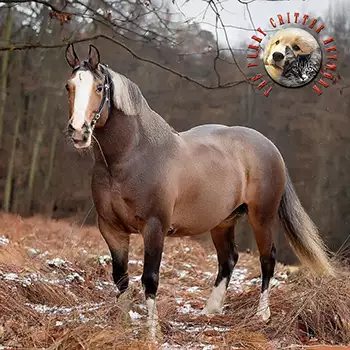

Breed Registration & Documentation

Ownership of a Danish Warmblood typically involves registration with Dansk Varmblod or one of its internationally affiliated organizations. Registration papers serve as the primary proof of a horse's pedigree, breeding status, and identity. These documents are essential for competition entry, breeding approval, and establishing market value. Buyers should verify that registration papers are current and accurately reflect the horse's parentage, as discrepancies can create legal complications during resale or breeding.

Dansk Varmblod maintains a detailed studbook system with different categories reflecting a horse's breeding status and evaluation results. Understanding the distinction between a fully registered horse, a horse with preliminary papers, and one registered in an appendix or subsidiary book is important from both a commercial and legal perspective. Misrepresentation of a horse's registration status in a sales transaction can constitute fraud in many jurisdictions.

International buyers should be aware that transferring registration between countries may involve additional paperwork and fees. The Danish Warmblood Society of North America and similar affiliate bodies in other regions facilitate the registration process for horses bred or imported outside Denmark. Ensuring that all transfers are completed properly protects both buyer and seller and preserves the horse's documented breeding value.

Microchip identification is now standard for Danish Warmbloods, as required by European Union regulations for equine identification. The microchip number is linked to the horse's passport and registration records, providing a reliable means of verifying identity. Buyers should confirm that the microchip matches the documentation before completing any purchase transaction.

Ownership Requirements

Horse ownership is regulated at national, state, and local levels depending on the jurisdiction. In most areas, owning a Danish Warmblood requires compliance with zoning laws that govern where horses may be kept, minimum acreage requirements, and facility standards for stabling and fencing. Prospective owners should research local ordinances before acquiring a horse, as violations can result in fines, required removal of the animal, or other legal consequences.

Many jurisdictions require horse owners to provide a minimum standard of care, including adequate food, water, shelter, and veterinary attention. Animal welfare laws vary significantly by region, but failure to meet basic care standards can result in charges of neglect or cruelty. Danish Warmbloods, as athletic horses often maintained for competition, typically require a higher level of management than average, including regular farrier work, dental care, and appropriate exercise.

Boarding agreements represent another significant legal dimension of horse ownership. When a Danish Warmblood is kept at a commercial stable or training facility, a written boarding contract should specify the services provided, liability allocation, insurance requirements, and procedures for terminating the arrangement. Disputes over boarding fees, horse care standards, and liability for injuries are among the most common sources of equine litigation.

In some regions, horse owners may be required to obtain specific permits or licenses, particularly if they plan to breed horses commercially. Breeding operations may be subject to additional regulations regarding waste management, biosecurity, and business licensing. Understanding these requirements before establishing a breeding program helps avoid costly compliance issues.

Liability & Insurance

Equine liability is a significant legal consideration for Danish Warmblood owners. Horses are large, powerful animals, and incidents involving injury to riders, handlers, bystanders, or other animals can result in substantial legal claims. Many jurisdictions in the United States have enacted equine activity liability statutes that provide some degree of protection to horse owners and equine professionals, but these protections vary considerably in scope and do not eliminate all liability exposure.

Equine liability insurance is strongly recommended for all horse owners and is often required by boarding facilities, competition venues, and riding instructors. Policies typically cover third-party bodily injury and property damage claims arising from horse-related incidents. Owners of high-value Danish Warmbloods should also consider mortality insurance, which compensates the owner if the horse dies or must be euthanized due to illness or injury, and loss-of-use coverage for horses whose competitive or breeding careers are ended by injury.

Trainers and instructors who work with Danish Warmbloods carry their own liability considerations. Professional liability insurance protects equine professionals against claims arising from their training or instructional activities. Written waivers and assumption-of-risk agreements are commonly used in the equine industry, though their enforceability depends on jurisdiction-specific laws and the circumstances of each case.

When Danish Warmbloods are used in competition, event organizers typically carry insurance and require participants to sign liability waivers. However, these protections may not cover all scenarios, and competitors should maintain their own insurance coverage. Understanding the interplay between personal insurance, event insurance, and facility insurance is essential for managing risk in the competitive environment.

Sales & Purchase Agreements

The purchase and sale of Danish Warmbloods involves significant financial transactions that warrant formal legal documentation. A well-drafted purchase agreement should specify the purchase price, payment terms, delivery arrangements, and any warranties or representations regarding the horse's health, soundness, training level, and competition record. Pre-purchase veterinary examinations are standard practice and should be addressed in the contract.

The legal doctrine of caveat emptor, or buyer beware, applies to varying degrees in horse transactions depending on the jurisdiction. Some regions impose implied warranties of fitness or merchantability on horse sales, while others place the burden squarely on the buyer to inspect the horse and assess its suitability. Buyers should understand the legal framework in their jurisdiction and ensure that any specific guarantees are documented in writing.

Agent and commission arrangements are common in the upper levels of the sport-horse market. When a trainer, agent, or broker is involved in a Danish Warmblood transaction, the terms of their compensation and the nature of their fiduciary duties should be clearly established. Disputes over undisclosed commissions and conflicts of interest have been a persistent source of litigation in the equine industry.

International purchases introduce additional complexity, including currency exchange considerations, export and import regulations, quarantine requirements, and the potential for disputes to span multiple legal jurisdictions. Buyers acquiring Danish Warmbloods from Denmark or other European countries should work with experienced equine transport agents and consider including choice-of-law and dispute resolution provisions in their purchase agreements.

Import & Export Regulations

Importing a Danish Warmblood from Europe to North America or other regions involves compliance with a detailed set of health, quarantine, and documentation requirements. The United States Department of Agriculture and its counterparts in other importing countries mandate specific pre-export testing for diseases including equine infectious anemia, equine viral arteritis, and piroplasmosis. Test results must be current and properly documented on official health certificates.

Quarantine protocols are a standard component of the importation process. Horses entering the United States typically undergo a quarantine period at a USDA-approved facility, during which additional testing may be conducted. The duration and specific requirements of quarantine depend on the country of origin and the horse's health history. Costs associated with quarantine, including facility fees, veterinary charges, and extended care, should be anticipated and budgeted by the importer.

Exporting horses from the European Union requires compliance with EU regulations governing animal movement, including the issuance of an intra-community trade certificate or export health certificate. Denmark, as an EU member state, follows these standardized procedures, which generally facilitate a smooth export process. However, specific requirements can change in response to disease outbreaks or updated regulations, so exporters should verify current requirements with veterinary authorities before scheduling shipments.

CITES regulations do not typically apply to domestic horse breeds, but owners should be aware that certain equine-derived products, medications, or supplements may be subject to import restrictions. Additionally, some countries impose breed-specific import requirements or restrictions related to competitive use. Working with an experienced international equine shipping company helps ensure compliance with all applicable regulations and minimizes the risk of delays or complications at the border.

Welfare Legislation & Industry Standards

Animal welfare legislation increasingly affects how Danish Warmbloods are trained, housed, and competed. The international equestrian community has seen growing regulatory attention to training methods, equipment use, and competition practices. The Fédération Equestre Internationale, the global governing body for equestrian sport, maintains detailed rules regarding permitted equipment, veterinary inspections during competition, and sanctions for welfare violations.

In recent years, the FEI and national federations have strengthened enforcement of welfare-related rules, including restrictions on certain training techniques and increased scrutiny of horse condition during competition. Danish Warmblood owners and trainers should stay informed about evolving regulations, as non-compliance can result in disqualification, fines, and suspension from competition. Awareness of these standards also protects owners from liability claims related to improper training practices.

Denmark has some of the most progressive animal welfare legislation in Europe, and Danish-bred horses are produced within a regulatory framework that emphasizes humane treatment throughout the breeding, training, and competition process. Danish law addresses issues including minimum housing standards, transportation welfare requirements, and restrictions on certain husbandry practices. These standards often exceed the minimum requirements in other countries and reflect Denmark's strong cultural commitment to animal welfare.

At the industry level, Dansk Varmblod incorporates welfare considerations into its breeding evaluation processes. Horses that display behavioral issues potentially linked to welfare concerns may be penalized in evaluation scores, and the registry has publicly supported initiatives to improve equine welfare standards across the sport. For owners and breeders, understanding and adhering to both legal requirements and industry best practices is essential for responsible Danish Warmblood stewardship.

Always consult a qualified professional before making any health-related decisions. This content is provided for informational reference only and should not replace professional guidance specific to your animal.