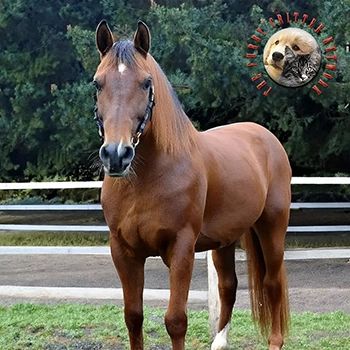

Owning a Cleveland Bay involves the same general legal requirements that apply to horse ownership in most jurisdictions, along with some breed-specific considerations related to registration and documentation. In the United Kingdom, all horses, ponies, and donkeys must be issued a horse passport, which serves as a permanent identification document and includes details about the animal's microchip, vaccination history, and whether it has been excluded from the food chain. Cleveland Bay owners must ensure that their animals are properly passported and that the documents are kept current.
Registration with the Cleveland Bay Horse Society is essential for any horse that will be used in a breeding program or shown under breed classes. The society maintains the official studbook and requires that all registered animals meet the breed standard and can demonstrate documented parentage. The registration process typically involves an inspection of the horse by an approved assessor, submission of breeding records, and payment of registration fees.
In the United States, horse ownership laws vary significantly by state, but most jurisdictions require some form of identification or documentation for horses, particularly when they are being transported or sold. The Cleveland Bay Horse Society of North America maintains its own registry that works in conjunction with the parent society in the United Kingdom. Owners planning to breed or show their Cleveland Bays should familiarize themselves with both the national registry requirements and any state-specific regulations that may apply.
Given the breed's critically endangered status, some owners may also need to be aware of conservation-related legal frameworks that could affect breeding decisions. While the Cleveland Bay is not currently subject to the same level of legal protection as wild or feral horse populations, conservation organizations and breed societies may impose their own requirements on registered breeders aimed at maximizing genetic diversity and supporting the breed's long-term viability.