
Film & Television

The Akhal-Teke has appeared in a number of documentary and nature productions focused on rare and ancient horse breeds. International broadcasters have produced features exploring the breed's origins in Turkmenistan, its near-extinction during the Soviet era, and its modern revival. These documentaries often center on the relationship between the Turkmen people and their horses, using the Akhal-Teke as a lens through which to examine broader themes of cultural preservation and identity.

Turkmenistan's state media has produced its own programming celebrating the breed, frequently airing segments during national holidays and horse festivals. The Akhal-Teke appears regularly in Turkmen television as a symbol of national pride, featured in ceremonies, parades, and state-sponsored equestrian competitions. These broadcasts reinforce the horse's status as a cultural treasure within the country and have contributed to increased international awareness as clips circulate on global platforms.

While the Akhal-Teke has not been the central subject of a major Hollywood feature film, the breed has appeared in background and supporting roles in productions that call for visually striking horses. Its metallic coat and refined profile make it a natural choice for filmmakers looking to convey elegance or exoticism on screen. Horse coordinators and wranglers in the film industry have noted that the breed's distinctive look often draws attention even in brief appearances.

Equestrian-focused television series and streaming programs have increasingly included segments on the Akhal-Teke as part of episodes exploring rare breeds. These appearances introduce the breed to audiences who may be familiar with more common breeds but have little exposure to the horses of Central Asia. The breed's visual impact on screen consistently generates viewer interest and follow-up searches.

Literature & Art

The Akhal-Teke has a long history in the art and literature of Central Asia. Turkmen oral poetry and folk literature are rich with references to prized horses that match the breed's description, celebrating their speed, loyalty, and beauty. These literary traditions, passed down through generations before being transcribed in the modern era, form an important part of the breed's cultural record and continue to influence how the Akhal-Teke is perceived within Turkmen society.

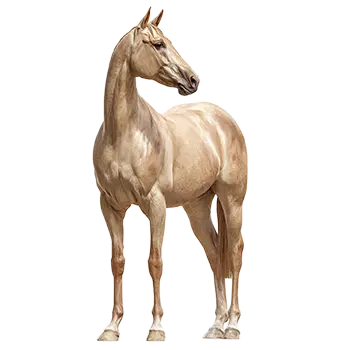
In the visual arts the Akhal-Teke has been a frequent subject for equine painters and sculptors. The breed's lean musculature, elongated neck, and shimmering coat present a compelling challenge for artists, and works depicting Akhal-Tekes can be found in galleries and private collections worldwide. Several contemporary equine artists have built significant portions of their portfolios around the breed, attracted by its unusual proportions and the way its coat interacts with light.

Western interest in the Akhal-Teke has produced a growing body of English-language literature on the breed. Books covering the breed's history, genetics, and training have been published by equestrian presses, and the Akhal-Teke features prominently in broader works on rare and endangered horse breeds. These publications have helped establish the breed's story within the broader narrative of global equestrian history and have provided English-speaking enthusiasts with access to information previously available only in Russian or Turkmen sources.

Photographic art books dedicated to the Akhal-Teke have found a receptive audience among both equestrians and general art enthusiasts. The breed's photogenic qualities, particularly the way its metallic coat appears to change color in different lighting conditions, make it an exceptionally rewarding subject for photographers. Several award-winning equine photographers have produced dedicated collections showcasing the breed in its native Turkmen landscape as well as in competitive and breeding settings around the world.

Internet & Social Media

The Akhal-Teke has become one of the most recognized rare horse breeds on social media, largely because of its striking metallic coat. Photographs and videos of golden, palomino, and buckskin Akhal-Tekes routinely go viral on platforms where visual content dominates. Posts featuring the breed frequently generate millions of views and shares, often accompanied by captions expressing disbelief that such a horse actually exists. This organic reach has introduced the breed to enormous audiences who might never encounter one in person.

Dedicated Akhal-Teke accounts on major social media platforms have built substantial followings by sharing daily content featuring the breed. These accounts range from professional breeding farms showcasing their stock to individual owners documenting life with their horses. The consistent visual appeal of the breed ensures strong engagement, and comment sections frequently become informal educational forums where experienced owners answer questions from curious newcomers.

The breed has also benefited from the broader trend of rare animal content online. Compilation videos and listicle-style posts featuring unusual or beautiful animals frequently include the Akhal-Teke, often positioning it as the most beautiful horse breed in the world. While such content can oversimplify the breed's characteristics and needs, it has undeniably raised awareness and driven interest in Akhal-Teke breeding programs and rescue organizations.

Online forums and breed-specific communities serve as important knowledge-sharing hubs for Akhal-Teke owners and enthusiasts worldwide. These digital spaces facilitate discussions about breeding decisions, training approaches, veterinary care, and the challenges of owning a rare breed. For owners in countries with small Akhal-Teke populations, these online communities provide a vital connection to the broader global network of breeders and experts.

Advertising & Branding

The Akhal-Teke's visual impact has attracted interest from advertisers and brand marketers seeking to convey luxury, rarity, and refinement. The breed has appeared in print and digital campaigns for fashion houses, jewelry brands, and automotive companies, where its metallic sheen and elegant profile serve as visual shorthand for exclusivity and beauty. These commercial appearances have further cemented the breed's association with high-end aesthetics in the public imagination.

Turkmenistan has embraced the Akhal-Teke as a central element of national branding. The horse features prominently on the country's currency, official seals, and government communications. State-sponsored marketing materials promoting Turkmen culture and tourism regularly lead with imagery of Akhal-Teke horses, and the breed has been featured at international expos and diplomatic events as an ambassador of Turkmen heritage and identity.

Within the equestrian industry the Akhal-Teke's image is used by tack manufacturers, feed companies, and equine product brands to signal premium quality. Breed-specific merchandise, from apparel to home decor, has become a niche but growing market, driven largely by the enthusiasm of online communities. Breeders and breed associations have also developed their own branding around the Akhal-Teke's distinctive appearance, using professional photography and video to market breeding stock to an international audience.

The breed's commercial appeal does come with tension. Some within the Akhal-Teke community have expressed concern that the emphasis on the metallic coat in marketing and branding can reduce the breed to a single visual trait, overshadowing its athleticism, temperament, and historical significance. Breed advocates encourage a more complete representation of the Akhal-Teke in commercial contexts, emphasizing that the breed's value extends far beyond its appearance.

The Popularity Effect

Increased media exposure has had measurable effects on interest in the Akhal-Teke. Breed associations in multiple countries have reported upticks in inquiries following viral social media moments and documentary broadcasts. Breeders note that potential buyers increasingly cite online content as their first introduction to the breed, a shift from earlier decades when awareness spread primarily through equestrian circles and horse shows.

This growing popularity has brought both benefits and challenges. On the positive side, increased demand has supported breeding programs and provided financial incentives for conservation efforts. New breeders and owners entering the community bring fresh energy and resources, and the breed's higher profile has made it easier to secure funding and attention for preservation initiatives. International cooperation between breed registries has also benefited from the larger and more connected community that media exposure has helped create.

However, the surge in interest has also raised concerns about uninformed ownership. The Akhal-Teke is a breed with specific needs and a temperament that can be challenging for inexperienced horse owners. Its strong bonding tendency, while rewarding for knowledgeable handlers, can lead to behavioral issues if the horse is passed between multiple owners or handled inconsistently. Breed organizations have responded by developing educational materials and mentorship programs aimed at preparing new owners for the realities of Akhal-Teke stewardship.

The tension between popularity and preservation is a defining issue for the breed community in the current era. As the Akhal-Teke attracts more attention from outside traditional equestrian circles, breeders and registries are working to ensure that growth in numbers does not come at the cost of breed quality, genetic diversity, or animal welfare. The challenge is to welcome new enthusiasts while maintaining the standards and practices that have sustained the breed for millennia.

Always consult a qualified professional before making any health-related decisions. This content is provided for informational reference only and should not replace professional guidance specific to your animal.