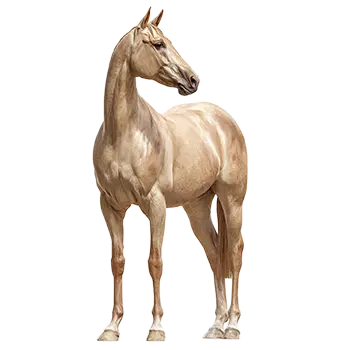

Breed-Specific Legislation & Heritage Protections

Unlike certain dog breeds, horses generally do not face breed-specific bans or restrictions in most jurisdictions. The Akhal-Teke is not subject to breed-specific legislation in the traditional sense. However, the breed occupies a unique legal position because of its status as a national treasure in Turkmenistan. The Turkmen government has enacted laws and regulations governing the breeding, sale, and export of Akhal-Teke horses, treating the breed as a protected element of national heritage.

Turkmenistan's restrictions on Akhal-Teke exports have varied over the decades but have at times been quite strict. During certain periods the government has imposed outright bans or severe limitations on selling Akhal-Tekes to foreign buyers, viewing the breed's dispersal abroad as a loss of national patrimony. These restrictions have had significant practical effects on the international breeding community, limiting access to certain bloodlines and complicating efforts to maintain genetic diversity outside Turkmenistan.

For prospective owners outside Turkmenistan, understanding the current state of export regulations is essential before pursuing the acquisition of a Turkmen-bred horse. Regulations can change with political shifts, and navigating the process often requires working with agents or intermediaries who are familiar with both Turkmen legal requirements and international equine trade protocols. Buyers should also be aware that documentation requirements for Akhal-Tekes originating from Turkmenistan may differ from those associated with horses bred in Russia, Europe, or North America.

In countries where the Akhal-Teke has an established breeding population, the breed is generally subject to the same equine ownership laws that apply to all horse breeds. There are no breed-specific restrictions on Akhal-Teke ownership in the United States, Canada, the European Union, or most other regions where the breed is present. Standard equine regulations regarding identification, registration, and health certification apply.

Ownership Requirements

Owning an Akhal-Teke involves the same fundamental legal obligations as owning any horse, though the breed's rarity and value can introduce additional considerations. In most jurisdictions, horse ownership requires compliance with local zoning ordinances that dictate where equines may be kept, minimum acreage requirements, and the number of animals permitted on a given property. Prospective Akhal-Teke owners should verify that their property is zoned for equine use before acquiring a horse.

Registration and identification requirements vary by country. In the United States, while there is no federal mandate for horse registration, breed registries such as the Akhal-Teke Association of America maintain voluntary stud books. Many states require some form of equine identification for sale, transport, or veterinary purposes. In the European Union, equine identification regulations require all horses to carry a passport document that includes breed information, vaccination records, and ownership details.

Given the Akhal-Teke's significant market value, ownership documentation takes on particular importance. Bills of sale, registration papers, and breeding certificates should be carefully maintained, as disputes over ownership of valuable horses can lead to complex and costly legal proceedings. Buyers are advised to conduct thorough due diligence before purchasing, including verification of registration status, health history, and clear title of ownership.

Some jurisdictions impose specific requirements for equine welfare that all horse owners must meet. These may include standards for shelter, nutrition, veterinary care, and hoof maintenance. Failure to meet these standards can result in citations, fines, or in severe cases the removal of the animal. Akhal-Teke owners should be familiar with the welfare laws applicable in their jurisdiction and ensure that their care practices meet or exceed the legal minimums.

Liability & Insurance

Equine liability is a significant legal consideration for any horse owner, and the Akhal-Teke is no exception. In the United States, most states have enacted equine activity liability statutes that provide some degree of legal protection to horse owners and equine professionals when participants in equine activities are injured. These statutes generally require that warning signs be posted and that participants acknowledge the inherent risks of working with horses. The specifics of these protections vary considerably from state to state.

Despite statutory protections, horse owners can still face liability claims if injuries result from negligence, failure to maintain safe premises, or known dangerous behavior in a specific horse. The Akhal-Teke's spirited temperament and strong bonding tendencies mean that owners should be particularly attentive to how their horses interact with unfamiliar handlers and visitors. Maintaining clear records of a horse's behavior history can be important in defending against liability claims.

Insurance is a practical necessity for Akhal-Teke owners given the breed's high monetary value. Equine insurance policies typically cover mortality, major medical expenses, surgical costs, and loss of use. Because Akhal-Tekes can command prices well above the average for most horse breeds, owners should ensure that their coverage limits accurately reflect the horse's appraised value. Specialty equine insurers are generally familiar with rare breeds and can provide appropriate coverage options.

Liability insurance covering third-party injuries and property damage is equally important, particularly for owners who board horses at shared facilities, offer riding lessons, or host visitors on their property. Commercial equine operations involving Akhal-Tekes should carry robust general liability policies and may also need professional liability coverage depending on the services they offer. Consulting with an insurance professional who specializes in equine risk is advisable.

Zoning & Housing Restrictions

Zoning regulations represent one of the most common legal hurdles for prospective horse owners. In many areas, particularly those near urban centers, local zoning codes may restrict or prohibit the keeping of livestock, including horses. Even in areas zoned for agricultural or equestrian use, there may be limitations on the number of horses permitted per acre, requirements for setbacks from property lines, and regulations governing manure management and runoff.

Homeowners' associations can impose additional restrictions beyond municipal zoning. In planned communities and subdivisions, covenants, conditions, and restrictions may specifically prohibit livestock or limit the types of structures that can be built for animal housing. Prospective Akhal-Teke owners considering properties within HOA-governed communities should review all applicable covenants carefully before purchasing both the property and the horse.

Facility requirements for housing Akhal-Tekes are generally consistent with those for other horse breeds, though the breed's desert origins and relatively fine coat may influence decisions about shelter and climate management. Local building codes may dictate specifications for barns, run-in sheds, fencing, and water systems. Permits are typically required for the construction of equine facilities, and inspections may be necessary to ensure compliance with fire, structural, and environmental codes.

Environmental regulations can also affect horse-keeping operations. Water quality protections, particularly those related to runoff from pastures and manure storage areas, are increasingly enforced in many jurisdictions. Owners operating larger facilities may need to develop nutrient management plans or obtain permits related to stormwater management. Staying informed about local environmental requirements is an important part of responsible horse ownership and helps avoid potential fines or enforcement actions.

Import & Export Regulations

Importing an Akhal-Teke from abroad involves navigating a complex web of agricultural, veterinary, and customs regulations. Most countries require imported horses to undergo quarantine periods, health testing, and veterinary inspection before being cleared for entry. In the United States, the Department of Agriculture oversees the importation of horses and mandates specific testing protocols for diseases such as equine infectious anemia, equine piroplasmosis, and dourine. These requirements apply regardless of breed but are particularly relevant for Akhal-Tekes being imported from Central Asian or Eastern European countries where certain diseases may be more prevalent.

The European Union maintains its own framework for equine imports, requiring health certificates, identification documents, and compliance with EU animal health regulations. Horses imported from countries outside the EU must generally enter through approved border inspection posts and may be subject to additional testing requirements depending on the country of origin. The process can take weeks or months to complete, and costs for quarantine, testing, and transport can be substantial.

As noted earlier, Turkmenistan's export restrictions add a unique layer of complexity for buyers seeking horses directly from the breed's country of origin. Even when export is permitted, the process typically involves obtaining government approval, providing detailed documentation of the buyer's qualifications and intended use of the horse, and complying with both Turkmen and destination-country import requirements. Working with experienced equine transport agents who have specific knowledge of Central Asian export procedures is strongly recommended.

For international competitors and breeders who travel with their Akhal-Tekes, temporary import and export provisions may apply. Many countries offer temporary entry permits for horses attending competitions, exhibitions, or breeding events, allowing them to enter and leave without full import processing. Understanding these provisions can save considerable time and expense for owners who participate in international equestrian events.

Rescue, Rehoming & Welfare Law

Equine welfare legislation provides the legal framework for addressing cases of abuse, neglect, and abandonment. In the United States, animal cruelty laws vary by state but generally prohibit the willful mistreatment, starvation, or abandonment of horses. Penalties can range from fines and probation to felony charges in cases involving severe cruelty. Law enforcement officers and animal control agencies have the authority to seize horses when welfare standards are not met, and seized animals may be placed with rescue organizations or foster homes.

The Akhal-Teke's rarity means that breed-specific rescue situations are uncommon but not unheard of. When an Akhal-Teke comes into the care of a rescue organization or animal control agency, breed registries and breed-specific networks often mobilize to ensure the horse is placed appropriately. The Akhal-Teke community is relatively small and well connected, which generally facilitates rapid identification and rehoming of displaced animals.

Legal considerations around rehoming and adoption of rescued horses include transfer of ownership documentation, disclosure of known health or behavioral issues, and compliance with any court orders that may attach to a seized animal. Rescue organizations that handle horses must comply with state nonprofit regulations, maintain proper records, and meet facility standards. In some states, organizations that provide temporary or permanent housing for rescued equines must hold specific permits or licenses.

The international dimension of Akhal-Teke welfare is worth noting. Welfare standards and enforcement capabilities vary significantly across the countries where the breed is found. International equine welfare organizations have drawn attention to conditions in some breeding and training operations, and advocacy groups have called for stronger protections in countries where enforcement infrastructure is limited. Prospective buyers are encouraged to visit breeding facilities in person and to verify that horses have been raised and maintained under conditions consistent with accepted welfare standards.

Always consult a qualified professional before making any health-related decisions. This content is provided for informational reference only and should not replace professional guidance specific to your animal.