
Film & Television

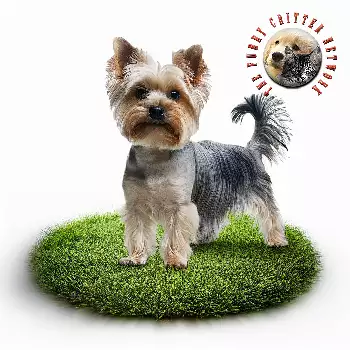
The Yorkshire Terrier has appeared in numerous films and television programs, typically cast as the pampered companion of a wealthy or fashionable character. The breed's photogenic appearance and small size make it easy to work with on set, and its alert expression photographs well on camera. Yorkies have frequently been used in comedic roles, playing the spoiled lapdog whose outsized personality creates humorous contrasts with larger, rougher dogs or chaotic human situations.

In television, Yorkies have appeared in a wide range of series spanning sitcoms, dramas, and reality programming. The breed became a staple of reality television in the 2000s, frequently appearing in celebrity-focused shows where the dogs served as fashionable accessories and scene-stealing sidekicks. Several television personalities became closely associated with their Yorkies, and the dogs' on-screen appearances helped drive the breed's already considerable popularity to new heights.

Animated and family-oriented programming has also featured Yorkshire Terrier characters. These animated Yorkies tend to be portrayed as feisty, vocal, and endearingly stubborn, reflecting the breed's real-world personality traits. The depiction of Yorkies as small dogs with big attitudes has become a reliable character archetype in children's entertainment, reinforcing public perception of the breed as plucky and entertaining.

The breed's association with glamour has made it a natural fit for films set in upscale urban environments. Yorkies have appeared in romantic comedies and fashion-themed movies, typically accompanying characters who embody sophistication and style. While these roles sometimes reduce the breed to a visual accessory, they have nonetheless contributed to the Yorkie's enduring visibility in popular entertainment.

Literature & Art

Yorkshire Terriers have appeared in literature primarily through breed-specific guidebooks, memoirs, and heartwarming narratives written by devoted owners. The story of Smoky, the World War II war dog, has been the subject of multiple books, most notably a detailed account written by her owner William Wynne that chronicles their wartime adventures and post-war therapy work. Smoky's story has introduced the breed to readers who might otherwise have overlooked the Yorkie as merely a toy dog.

In visual art, the Yorkshire Terrier became a popular subject during the Victorian era, when the breed was at the height of its transition from working dog to fashionable companion. Painters captured Yorkies in domestic settings, often seated on cushions or in the laps of elegantly dressed women, emphasizing the breed's silky coat and refined features. These portraits reflected the era's fascination with pedigree dogs as markers of social status and aesthetic taste.

Breed portraiture remains a thriving niche in contemporary art. Pet portrait artists frequently cite the Yorkie as one of their most requested subjects, owing to the breed's distinctive coloring and expressive face. The steel-blue and golden-tan coat presents an appealing challenge for painters and illustrators, and the Yorkie's alert, intelligent expression lends itself to characterful depictions that owners treasure.

Children's literature has occasionally featured Yorkshire Terrier characters, typically in stories that emphasize the theme of small heroes accomplishing great things. The breed's real-world reputation for boldness and determination translates naturally into narrative arcs about underdogs overcoming obstacles, and these stories have helped shape young readers' perceptions of the breed as courageous and loyal.

Internet & Social Media

The Yorkshire Terrier has thrived in the age of social media, becoming one of the most widely shared and followed dog breeds on platforms like Instagram, TikTok, and YouTube. The breed's compact size, expressive face, and photogenic coat make it ideal for the short-form visual content that dominates these platforms. Yorkie accounts regularly attract hundreds of thousands or even millions of followers, with owners posting daily photos and videos that showcase their dogs' grooming routines, playful antics, and fashionable outfits.

TikTok has been a particularly powerful platform for Yorkie content. Short videos featuring Yorkies reacting to sounds, performing tricks, or displaying their famously stubborn personalities generate millions of views and shares. The breed's tendency to bark at much larger dogs, refuse to walk on command, or demand to be carried has provided endless material for relatable, humorous content that resonates with dog owners of all breeds.

Yorkie-specific online communities have flourished on Facebook, Reddit, and dedicated forums, creating spaces where owners exchange grooming advice, discuss health concerns, and share stories about their dogs' personalities. These communities serve as informal support networks for new Yorkie owners navigating the breed's particular needs, from coat maintenance to dental care, and they help foster a sense of shared identity among enthusiasts.

The breed's social media presence has not been without controversy. The popularity of so-called teacup Yorkies on Instagram and TikTok has drawn criticism from veterinary professionals and breed advocates who argue that the promotion of extremely small dogs encourages irresponsible breeding practices. Conversations about ethical breeding and the health consequences of extreme miniaturization have become a recurring theme in Yorkie-focused online spaces.

Advertising & Branding

The Yorkshire Terrier's association with elegance and urban sophistication has made it a recurring figure in advertising. Luxury brands have featured Yorkies in print campaigns and commercials, using the breed's glamorous appearance to reinforce messaging around refinement, exclusivity, and cosmopolitan living. The visual shorthand is straightforward: a beautifully groomed Yorkie in an upscale setting instantly communicates taste and style.

Pet industry brands have also leveraged the Yorkie's popularity extensively. The breed frequently appears in advertising for premium dog food, grooming products, and pet accessories, serving as an aspirational representative of the well-cared-for companion animal. Yorkie imagery is especially common in marketing for products targeted at toy and small breed owners, where the breed functions as an instantly recognizable ambassador for the small-dog lifestyle.

The breed's compact size has made it a favorite in advertising campaigns for pet-friendly hotels, airlines, and travel accessories. Yorkies are easily depicted in cabin-approved carriers, boutique hotel rooms, and trendy cafes, reinforcing the message that travel with a small dog can be stylish and convenient. These campaigns have contributed to the broader cultural narrative of the Yorkie as the ideal urban and travel companion.

Beyond commercial advertising, the Yorkshire Terrier has served as a mascot and brand symbol for various organizations. Dog rescue groups and animal welfare organizations have used Yorkie imagery in fundraising campaigns, capitalizing on the breed's broad appeal and recognizability to attract donations and adoptive families. The breed's familiar face serves as an effective emotional hook in advocacy messaging.

The Popularity Effect

The Yorkshire Terrier's sustained media visibility has had a measurable impact on the breed's popularity and, consequently, on breeding practices and rescue needs. Each wave of media exposure, from Victorian-era show ring fame to twenty-first-century social media stardom, has triggered spikes in demand that responsible breeders struggle to meet. The resulting gap has historically been filled by puppy mills and backyard breeders who prioritize volume over health and temperament, leading to dogs with genetic issues and behavioral problems.

The breed's popularity has also contributed to a significant Yorkie presence in animal shelters and breed-specific rescue organizations. Owners attracted by the breed's glamorous image sometimes underestimate the grooming demands, health needs, and strong-willed temperament that come with Yorkie ownership. When reality fails to match expectations, dogs are surrendered, and rescue groups across the country work to rehabilitate and rehome these displaced Yorkies.

Breed advocates have responded to the popularity effect by emphasizing education. The Yorkshire Terrier Club of America and breed-specific rescue organizations invest in public outreach that presents a realistic picture of Yorkie ownership, covering the breed's need for regular professional grooming, its susceptibility to dental disease and other health concerns, and its sometimes challenging temperament. The goal is to ensure that the breed's media-driven appeal leads to informed, committed ownership rather than impulsive acquisitions.

Despite the challenges that come with extreme popularity, the Yorkshire Terrier's cultural prominence has also brought positive attention to issues that benefit all dogs. The breed's visibility in discussions about puppy mills, breed-specific legislation, and responsible breeding practices has helped elevate these topics in the public consciousness, turning the Yorkie's fame into a platform for broader animal welfare advocacy.

Always consult a qualified professional before making any health-related decisions. This content is provided for informational reference only and should not replace professional guidance specific to your animal.