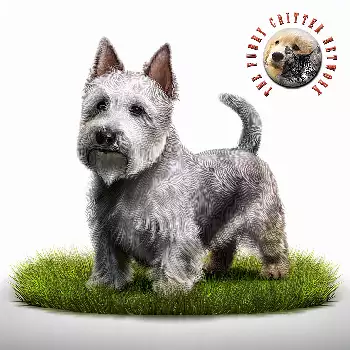

Film & Television

The Skye Terrier's most significant appearance in film centers on the story of Greyfriars Bobby. Walt Disney produced a film adaptation in 1961 that brought the tale of the faithful Edinburgh terrier to international audiences. The film dramatized Bobby's fourteen-year vigil at his master's grave, and while it took creative liberties with the historical record, it cemented the Skye Terrier's image as the ultimate symbol of canine devotion in the minds of moviegoers worldwide.

A later film adaptation was released in 2006, offering a fresh interpretation of the Greyfriars Bobby story for a new generation. This version sought to present the tale with closer attention to the historical setting of Victorian Edinburgh, and it introduced the breed to audiences who may not have been familiar with the earlier Disney production. Both films, separated by nearly half a century, demonstrate the enduring appeal of the Skye Terrier's most famous story.

Beyond the Bobby films, the Skye Terrier has made occasional appearances in television programs focused on dog breeds and canine history. Documentary features on rare and endangered breeds have spotlighted the Skye Terrier's precarious population numbers, bringing attention to conservation efforts. Coverage of major dog shows, particularly Crufts and the Westminster Kennel Club Dog Show, has also given the breed moments in the television spotlight when Skye Terriers have competed at the highest levels.

The breed's distinctive silhouette and flowing coat make it visually striking on screen, yet its relative rarity means that most viewers encounter the Skye Terrier through media rather than in person. This dynamic gives film and television an outsized role in shaping public perceptions of the breed, making accurate and positive portrayals especially important for the breed's future.

Literature & Art

The Skye Terrier has a rich presence in Victorian literature and art, owing largely to the breed's popularity during that era. Eleanor Atkinson's 1912 novel about Greyfriars Bobby is perhaps the most widely read literary work featuring the breed. The book, written for both young readers and adults, transformed the Edinburgh legend into a fully realized narrative that has remained in print for over a century and has been translated into numerous languages.

In the visual arts, Sir Edwin Landseer's paintings stand as the most celebrated artistic depictions of the Skye Terrier. Landseer, who was Queen Victoria's favorite animal painter, frequently included Skye Terriers in his compositions. His works captured the breed's dignified bearing and expressive eyes, and they played a significant role in popularizing the breed among the Victorian public. Landseer's artistic legacy ensured that the Skye Terrier was preserved not only in breeding programs but also on canvas.

Other Victorian and Edwardian artists and illustrators featured the Skye Terrier in genre paintings, children's book illustrations, and decorative prints. The breed's long, flowing coat and distinctive profile made it a favorite subject for artists seeking to depict the ideal companion dog. These artistic representations collectively created an archive of how the breed was perceived during its period of greatest popularity.

In more recent literature, the Skye Terrier appears in breed-specific reference books and in broader works about terrier history and Scottish dog breeds. Several authors have written detailed breed histories that trace the Skye Terrier's development from working terrier to show dog to endangered breed, providing valuable documentation for both fanciers and historians.

Internet & Social Media

Despite its small population, the Skye Terrier has developed a dedicated online following. Breed enthusiasts maintain active communities on platforms such as Facebook, Instagram, and breed-specific forums where they share photographs, discuss breeding developments, and coordinate efforts to promote the breed. These online spaces serve as vital connective tissue for a community that is geographically dispersed and numerically small.

Instagram accounts dedicated to individual Skye Terriers have attracted followers drawn to the breed's photogenic qualities. The flowing coat, veiled face, and dignified posture of the Skye Terrier translate well to social media imagery, and several accounts have built modest but engaged audiences. These accounts serve as informal ambassadors for the breed, introducing it to dog lovers who might otherwise never encounter a Skye Terrier.

Online discussions about endangered dog breeds frequently feature the Skye Terrier as a case study. Articles and forum threads about the Kennel Club's Vulnerable Native Breeds list often highlight the Skye Terrier's critically low registration numbers, sparking conversations about breed preservation, genetic diversity, and the factors that cause once-popular breeds to decline. This online attention has helped raise awareness of the breed's situation among a broader dog-loving audience.

Breed clubs have also leveraged the internet to modernize their outreach. Websites for organizations such as the Skye Terrier Club of America and the Skye Terrier Club in the UK provide breed information, breeder directories, and educational resources that make it easier for prospective owners to learn about the breed and connect with reputable breeders. These digital resources have become essential tools in the effort to sustain interest in the Skye Terrier.

Advertising & Branding

The Skye Terrier's association with loyalty and devotion has occasionally been leveraged in advertising and branding, though to a lesser extent than more widely recognized breeds. The Greyfriars Bobby story, in particular, has been used commercially in Edinburgh, where the dog's image appears on postcards, souvenirs, pub signs, and tourist merchandise. The Bobby statue itself has become a commercial landmark, surrounded by shops and restaurants that trade on the dog's fame.

Historically, the Skye Terrier appeared in Victorian-era advertisements and trade cards, reflecting the breed's fashionable status during that period. Manufacturers of pet products, household goods, and luxury items occasionally featured the breed in their promotional materials, capitalizing on its association with refinement and upper-class taste. These vintage advertisements provide a window into the breed's cultural standing during its heyday.

In Scotland, the Skye Terrier has been used as a symbol in branding related to Scottish heritage and tourism. The breed's strong geographic connection to the Isle of Skye makes it a natural emblem for businesses and organizations associated with that region. While these uses are relatively niche, they help maintain the breed's visibility in a cultural context that extends beyond the dog show world.

The breed's rarity has, paradoxically, limited its commercial appeal. Advertisers and brand managers tend to favor breeds that are immediately recognizable to the general public, and the Skye Terrier's small population means that many people have never seen one in person. As a result, the breed's advertising presence remains modest compared to breeds such as the Labrador Retriever or the Golden Retriever, which dominate commercial imagery.

The Popularity Effect

The Skye Terrier offers a cautionary tale about the relationship between media exposure and breed popularity. During the Victorian era, royal patronage and artistic depictions drove the breed to extraordinary heights of fashion. The Skye Terrier was one of the most popular and recognizable breeds in Britain, a status that seemed unassailable at the time. Yet within a few generations, changing tastes and the rise of competing breeds led to a dramatic decline from which the breed has never fully recovered.

The Greyfriars Bobby films generated spikes of interest in the breed, but these proved to be temporary. The pattern is familiar in the dog world: media exposure creates a surge of inquiries and puppy purchases, but without sustained cultural support and a robust breeding community, the interest fades. For the Skye Terrier, the small number of breeders and the breed's particular grooming and temperament requirements meant that casual interest rarely translated into long-term ownership.

Breed advocates have learned from this history and now approach media attention with a more strategic mindset. Rather than simply welcoming any publicity, Skye Terrier clubs work to ensure that media portrayals accurately represent the breed's needs and characteristics. The goal is to attract committed, well-informed owners rather than impulse buyers who may be drawn to the breed's appearance without understanding its temperament or care requirements.

The Skye Terrier's story illustrates a broader truth about breed preservation: popularity alone does not ensure survival. A breed needs a stable community of dedicated breeders, a clear and achievable breed standard, and an honest public narrative about what ownership entails. The Skye Terrier community, though small, has embraced these principles as it works to secure the breed's future in an era when media attention is fleeting and competition for the public's interest is fierce.

Always consult a qualified professional before making any health-related decisions. This content is provided for informational reference only and should not replace professional guidance specific to your animal.