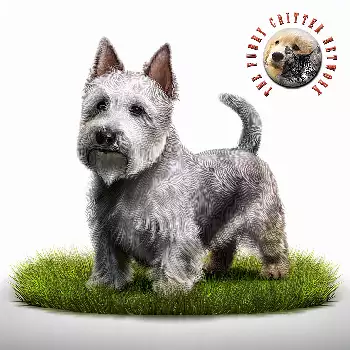

The Skye Terrier is not typically targeted by breed-specific legislation. BSL most commonly affects breeds perceived as posing a heightened risk of aggressive behavior, such as pit bull types and certain large guardian breeds. The Skye Terrier, as a small to medium-sized breed with no widespread reputation for aggression, generally falls well outside the scope of such laws in both the United States and the United Kingdom.
However, owners should be aware that some jurisdictions define restricted breeds broadly or use physical characteristics rather than breed names to identify regulated dogs. While it would be unusual for a Skye Terrier to be affected by such provisions, owners traveling or relocating should review the specific language of any local breed restrictions to confirm that their dog is not inadvertently covered.
In the United Kingdom, the Dangerous Dogs Act 1991 prohibits ownership of four specific breed types, none of which include the Skye Terrier. The Act also contains provisions that apply to any dog, regardless of breed, that is dangerously out of control in a public place. Skye Terrier owners, like all dog owners in the UK, are subject to these general provisions and should ensure their dogs are well socialized and under control at all times.
Some countries and municipalities have moved away from breed-specific approaches in favor of breed-neutral dangerous dog laws that focus on individual behavior rather than breed identity. These laws apply equally to all breeds and generally impose requirements such as proper containment, leash laws, and owner accountability for any incidents. Skye Terrier owners benefit from familiarizing themselves with the dog control laws in their specific locality.