
Film & Television

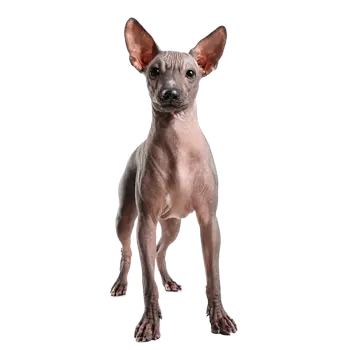
The Peruvian Inca Orchid's striking, otherworldly appearance has made it a natural fit for film and television productions seeking visually distinctive animals. Hairless dogs in general have appeared in a variety of movies and shows over the decades, and the Peruvian Inca Orchid has been among the breeds cast when producers want a dog that looks elegant and unusual rather than conventionally cute. Their slender build, expressive eyes, and smooth skin photograph beautifully under studio lighting, lending them an almost sculptural quality on screen.

Documentary filmmakers have shown particular interest in the breed, especially in the context of Peruvian cultural heritage. Several travel and nature documentaries have featured segments on the dogs living at archaeological sites like Huaca Pucllana and Chan Chan, drawing a direct visual line between the ancient ceramics depicting hairless dogs and the living animals walking the same grounds centuries later. These segments have introduced the breed to audiences who might never encounter one in person, broadening its recognition far beyond the dog fancy community.

Television programs focused on rare and unusual dog breeds have regularly featured the Peruvian Inca Orchid in episodes exploring the world's most distinctive canines. Shows dedicated to breed profiles and dog competitions have highlighted the breed's ancient lineage and unique care requirements, often emphasizing the contrast between its exotic appearance and its gentle, affectionate household temperament. These appearances, while not making the breed a household name, have steadily built a base of public awareness.

The breed's relative rarity means it has not yet landed a breakout starring role in a major motion picture or television series, but its increasing visibility in media circles suggests that such an opportunity may be on the horizon. As audiences develop a growing appetite for stories rooted in indigenous cultures and historical authenticity, the Peruvian Inca Orchid — with its deep ties to pre-Columbian civilization — is well positioned to capture the imagination of filmmakers and viewers alike.

Literature & Art

The Peruvian Inca Orchid has a literary and artistic legacy that predates the written word as Europeans understand it. Pre-Columbian ceramics from the Moche, Chimú, and Chancay cultures feature detailed representations of hairless dogs in a variety of poses — sitting alertly, curled in rest, accompanying hunters, and participating in ceremonial scenes. These artifacts, housed in museums throughout Peru and around the world, constitute some of the earliest artistic depictions of any domesticated dog breed and remain a primary source of information about the breed's ancient role.

In modern literature, the Peruvian Inca Orchid appears most frequently in nonfiction works about canine history, rare breeds, and the cultural heritage of the Americas. Authors writing about the diversity of the dog world often devote chapters or sections to hairless breeds, and the Peruvian Inca Orchid features prominently in these discussions due to its well-documented archaeological record and its direct connection to living pre-Columbian traditions. These books serve as important resources for prospective owners and breed enthusiasts seeking detailed historical and cultural context.

Contemporary Peruvian artists have embraced the breed as a subject that bridges the ancient and the modern. Painters, sculptors, and mixed-media artists have depicted the dogs in works that reference both their archaeological origins and their present-day status as national symbols. Gallery exhibitions in Lima and other Peruvian cities have included pieces centered on the hairless dog, often positioning the breed as an emblem of cultural continuity and indigenous resilience in the face of colonial disruption.

Photographers have also found the breed to be an exceptionally compelling subject. The interplay of light and shadow on the dogs' smooth, often mottled skin creates images with a visual impact that is difficult to achieve with heavily coated breeds. Fine art photography featuring Peruvian Inca Orchids has appeared in exhibitions and publications worldwide, further cementing the breed's status as an icon of natural beauty and historical depth.

Internet & Social Media

The rise of social media has been a significant driver of awareness for the Peruvian Inca Orchid, a breed that might otherwise remain obscure outside dedicated cynological circles. Instagram, TikTok, and YouTube accounts run by owners and breeders showcase the dogs' daily lives, their playful personalities, and their distinctive appearance, often attracting followers who have never seen a hairless dog in person. The visual nature of these platforms plays to the breed's strengths — its unusual look stops scrollers in their tracks and generates the kind of engagement that builds organic followings.

Breed-specific online communities on platforms like Facebook and Reddit provide spaces for owners, breeders, and enthusiasts to share information, ask questions, and celebrate their dogs. These groups serve a practical function for a rare breed whose owners may be geographically isolated from one another, offering a support network for everything from skin care advice to breeder recommendations. The sense of community fostered by these groups has helped the breed's population grow by connecting prospective owners with reputable breeders they might not have found otherwise.

Viral moments have occasionally thrust the breed into broader public consciousness. Photos and videos of Peruvian Inca Orchids at archaeological sites, competing in dog shows, or simply lounging at home in their characteristically elegant poses have circulated widely on social media, often accompanied by captions highlighting the breed's ancient origins. These viral posts generate spikes of interest that translate into increased web traffic for breed clubs and breeder websites.

The internet has also enabled the breed's community to organize around advocacy and education. Online campaigns promoting responsible ownership, heritage preservation, and breed health initiatives reach audiences that traditional media channels cannot, and the accessibility of digital communication tools has allowed breeders in Peru to collaborate more easily with counterparts in North America, Europe, and Asia.

Advertising & Branding

The Peruvian Inca Orchid's visual impact has not gone unnoticed by the advertising industry, though its appearances in commercial campaigns remain selective and niche. When advertisers seek an animal that conveys elegance, rarity, or a connection to ancient culture, the hairless dog's sleek silhouette and expressive features make it a compelling choice. The breed has appeared in print campaigns and promotional materials for luxury brands, travel companies, and cultural institutions, typically in contexts that emphasize sophistication and exclusivity.

In Peru, the breed's status as a national cultural symbol has led to its use in government-sponsored tourism campaigns. Promotional materials for Peruvian heritage sites frequently feature images of hairless dogs alongside ancient ruins, creating a visual narrative that positions the country as a destination where living history can be experienced firsthand. These campaigns leverage the breed's photogenic qualities and its deep roots in the nation's identity to attract culturally minded travelers.

The fashion world has occasionally turned to hairless dogs as accessories in editorial shoots, drawn by the striking contrast between the dogs' bare skin and elaborate couture. The Peruvian Inca Orchid, with its graceful proportions and dignified bearing, fits naturally into high-fashion contexts without appearing cartoonish or out of place. These appearances, while infrequent, introduce the breed to style-conscious audiences who value aesthetics and uniqueness.

Despite these high-profile moments, the Peruvian Inca Orchid has not become a mainstream advertising mascot in the way that breeds like the Dalmatian or Chihuahua have. Its rarity and the specificity of its appeal work against broad commercial adoption, but they also protect the breed from the kind of overexposure that can lead to irresponsible breeding driven by fad demand. For the breed's advocates, this measured level of visibility represents a healthy balance between recognition and preservation.

The Popularity Effect

Media exposure, whether through film, social media, or advertising, inevitably affects a breed's popularity and the dynamics of its breeding community. For the Peruvian Inca Orchid, increased visibility has been largely positive, raising awareness of the breed's existence and its remarkable heritage without triggering the kind of explosive demand that overwhelms breed populations and encourages puppy mills. The breed's unusual care requirements and its relatively small breeder network act as natural buffers against impulse purchasing.

The steady growth in interest has, however, created challenges for responsible breeders. Waitlists for puppies from reputable breeders can stretch for months or even years, and the temptation for less scrupulous breeders to cut corners on health testing or genetic diversity management is a persistent concern. Breed clubs and advocacy organizations actively work to educate prospective buyers about the importance of selecting breeders who prioritize health, temperament, and the long-term welfare of the breed over profit.

One of the more encouraging aspects of the Peruvian Inca Orchid's growing profile is the way it has drawn attention to the broader category of indigenous and ancient dog breeds. As people learn about the Peruvian hairless dog's pre-Columbian origins, they often develop an interest in other breeds with similarly deep historical roots, such as the Xoloitzcuintli and the Basenji. This ripple effect benefits the preservation efforts of multiple rare breeds and fosters a more culturally informed approach to dog ownership.

The breed's future in media and popular culture will likely be shaped by the same qualities that have defined its past — rarity, elegance, and an unmatched connection to ancient civilization. As long as breed advocates continue to emphasize responsible ownership and cultural stewardship alongside the dogs' undeniable visual appeal, the Peruvian Inca Orchid can enjoy the benefits of public attention without suffering the consequences that have plagued other breeds thrust suddenly into the spotlight.

Always consult a qualified professional before making any health-related decisions. This content is provided for informational reference only and should not replace professional guidance specific to your animal.