
Car Travel

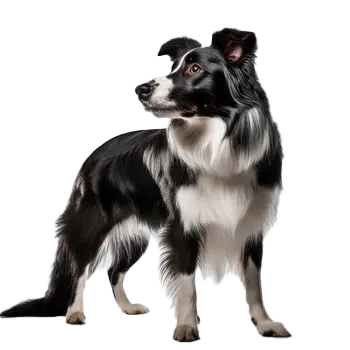
Border Collies generally adapt well to car travel, especially when introduced to it gradually during puppyhood. Their medium size makes them a comfortable fit for most vehicles, though their energy level means that preparation and management are essential for safe, stress-free road trips. The most important consideration is proper restraint — an unrestrained dog in a moving vehicle is a safety hazard for everyone in the car and for the dog itself.

Crate training is the gold standard for safe car travel with a Border Collie. A well-fitted crate secured in the cargo area or on the back seat provides a familiar, enclosed space that reduces anxiety and prevents the dog from moving around the vehicle. For owners who prefer not to use a crate, a crash-tested dog harness that attaches to the vehicle's seatbelt system is a solid alternative. Barrier systems that separate the cargo area from the passenger compartment are another option, particularly for SUVs and station wagons.

Border Collies are highly observant dogs, and this trait can create challenges during car travel. Many Border Collies become fixated on moving objects visible through the windows — other vehicles, cyclists, pedestrians, or animals — and may bark, whine, or become agitated. Window shades, crate covers, or positioning the dog where visual stimulation is minimized can help manage this behavior. Some owners find that giving the dog a durable chew toy or stuffed food puzzle during car rides provides a productive outlet for the dog's mental energy.

Regular stops are essential during long drives with a Border Collie. Plan to stop every two to three hours for bathroom breaks, water, and brief exercise. Border Collies benefit enormously from even ten minutes of vigorous activity during a rest stop — a quick game of fetch or a brisk walk can help burn off pent-up energy and make the next stretch of driving more pleasant for everyone. Never leave a Border Collie unattended in a parked car, as temperatures inside a vehicle can reach dangerous levels within minutes, even on moderately warm days.

Air Travel

Air travel with a Border Collie requires careful planning and an understanding of airline policies, which vary significantly between carriers and change frequently. Most Border Collies exceed the size limits for in-cabin travel, which typically require the dog to fit in a carrier that slides under the seat in front of the passenger. This means that most Border Collies will need to travel in the cargo hold in an airline-approved kennel, unless they qualify as a trained service animal.

Cargo travel involves specific kennel requirements that owners must meet precisely. The kennel must be large enough for the dog to stand, turn around, and lie down comfortably. It must have adequate ventilation on at least three sides, a secure latch, absorbent bedding, and attached food and water dishes. The kennel must be labeled with the owner's contact information, feeding instructions, and a "Live Animal" sticker. Airlines typically require a health certificate issued by a veterinarian within ten days of travel and proof of current vaccinations.

Temperature restrictions are an important consideration for Border Collie air travel. Most airlines will not transport animals in cargo when ground temperatures at the origin, destination, or any connection point exceed eighty-five degrees Fahrenheit or fall below forty-five degrees Fahrenheit. These restrictions exist to protect animals from temperature extremes in cargo holds and on the tarmac during loading and unloading. Border Collies, particularly those with heavy coats, are vulnerable to heat stress, so summer travel requires careful route and timing selection.

For owners who prefer to avoid cargo travel, several alternatives exist. Some airlines offer premium pet travel programs that provide enhanced monitoring and climate-controlled environments for animals traveling in cargo. Pet transport companies specialize in moving animals by ground or air with dedicated handlers. For domestic travel within a reasonable distance, driving may be a less stressful option for both dog and owner. Owners should weigh the risks and benefits of each option and consult with their veterinarian about whether their individual dog is a good candidate for air travel.

Pet-Friendly Accommodations

Finding pet-friendly accommodations for a Border Collie has become significantly easier in recent years as the hospitality industry has increasingly recognized the demand from traveling pet owners. Major hotel chains, vacation rental platforms, and independent properties now commonly offer pet-friendly rooms or units, though policies regarding size limits, breed restrictions, additional fees, and the number of pets allowed vary widely.

When booking accommodations, Border Collie owners should look beyond the basic pet-friendly designation and ask specific questions. What is the weight limit for dogs? Is there a pet deposit or nightly pet fee? Are dogs allowed in common areas such as lobbies, restaurants, or pool decks? Is there a designated pet relief area on the property? Are there restrictions on leaving the dog unattended in the room? Getting clear answers to these questions before booking prevents unpleasant surprises at check-in.

Vacation rentals — houses, cabins, and apartments booked through rental platforms — can be particularly well-suited for Border Collie travel. These properties often offer more space, fenced yards, and a home-like environment that is less stressful for the dog than a hotel room. Many rental owners are dog-friendly and some specifically cater to pet owners with amenities like dog beds, bowls, treats, and information about local dog parks and trails. However, rental policies vary by owner, and it is essential to confirm that dogs are permitted and to disclose the breed and size of the dog when booking.

Border Collies can be challenging hotel guests if they are not accustomed to new environments or if they are left alone in an unfamiliar room. Their sensitivity and alertness mean they may bark at unfamiliar sounds, become anxious in confined spaces, or attempt to herd other animals encountered on the property. Bringing familiar items from home — the dog's regular bed, a favorite toy, a worn shirt with the owner's scent — can help ease the transition. Exercising the dog thoroughly before settling into the room also helps ensure a calmer, more restful stay.

Boarding & Pet Sitting

When travel without the dog is unavoidable, Border Collie owners face the important decision of whether to board their dog at a facility or arrange for a pet sitter. Both options have advantages and drawbacks, and the best choice depends on the individual dog's temperament, the length of the absence, and the quality of the available options. Border Collies, with their strong bonds to their handlers and their need for mental stimulation, can find both boarding and separation from their owners stressful, so careful preparation is essential.

Boarding facilities range from basic kennels to luxury pet resorts offering individualized attention, play groups, enrichment activities, and even webcam access for owners. For a Border Collie, the most important features of a boarding facility are adequate exercise opportunities, staff who understand high-energy herding breeds, and a structured routine that provides both physical activity and mental engagement. Visiting the facility in advance, speaking with staff about the dog's specific needs, and arranging a trial overnight stay before a longer absence can help both the dog and the owner feel more comfortable.

Professional pet sitters who come to the owner's home offer the advantage of keeping the dog in its familiar environment, which can significantly reduce stress. A good pet sitter will maintain the dog's regular routine, provide exercise and companionship, and be experienced enough to recognize and respond to behavioral or health issues. For Border Collies, it is particularly important that the sitter understands the breed's energy requirements and is prepared to provide meaningful activity rather than simply checking in briefly.

Another increasingly popular option is arranging for the Border Collie to stay with a trusted friend, family member, or fellow dog enthusiast who understands the breed. This approach combines the benefits of a home environment with the comfort of a familiar caretaker. For dogs that participate in organized activities like agility or herding, some training facilities and clubs offer boarding services specifically designed for active, working breeds. These specialized options can provide the level of engagement that a Border Collie needs and that standard boarding facilities may not be equipped to offer.

Emergency Preparedness

Emergency preparedness for Border Collie owners means having a plan that accounts for the dog's needs during natural disasters, evacuations, medical emergencies, and other unexpected situations. The fundamental principle is simple: if you need to evacuate, your dog needs to evacuate with you. Leaving a dog behind during an emergency can result in injury, death, or permanent separation, and many emergency shelters now accommodate pets or can direct owners to pet-friendly sheltering options.

A pet emergency kit should be assembled in advance and stored in an easily accessible location. The kit should include several days' supply of food and water, medications the dog takes regularly, copies of vaccination records and registration documents, a recent photograph of the dog for identification purposes, a sturdy leash and collar with current identification tags, a portable crate or carrier, basic first aid supplies, and contact information for your veterinarian and the nearest emergency veterinary clinic. For Border Collies, including a few favorite toys or a chew item in the kit can help manage stress during a displacement.

Microchipping and current identification tags are critically important components of emergency preparedness. In the chaos of an emergency, dogs can become separated from their owners despite the best precautions. A microchip provides permanent identification that cannot be lost or removed, and keeping the registration information current ensures that anyone who finds the dog can reach the owner. Collar tags with the owner's phone number provide an immediate contact method that does not require a scanner.

Border Collie owners should identify in advance where they will take their dog if they need to leave home. Research pet-friendly hotels along likely evacuation routes, identify friends or family members outside your immediate area who could house the dog temporarily, and familiarize yourself with local emergency pet sheltering resources. Many communities have volunteer organizations that assist with pet evacuation and sheltering during disasters. Knowing these resources exist and how to access them before an emergency occurs can make a critical difference in the outcome for both you and your dog.

Always consult a qualified professional before making any health-related decisions. This content is provided for informational reference only and should not replace professional guidance specific to your animal.