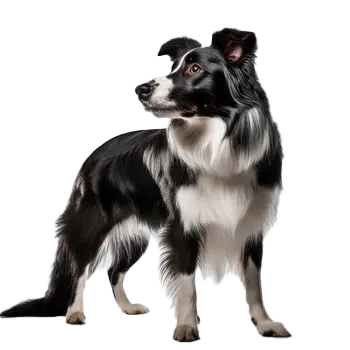

Border Collies are not typically targeted by breed-specific legislation, which tends to focus on breeds perceived as inherently dangerous such as certain bully breeds and mastiff types. This means that in most jurisdictions, Border Collie owners do not face breed-based restrictions on ownership, housing, or public access. However, it is important for owners to understand the broader landscape of breed-specific legislation because these laws affect the entire dog-owning community and can evolve to include additional breeds.
In some municipalities, dangerous dog ordinances operate on a behavior-based rather than breed-based model, meaning any dog — regardless of breed — can be classified as dangerous or potentially dangerous based on its actions. Border Collies with strong herding instincts may occasionally exhibit nipping or chasing behaviors directed at children, cyclists, or joggers, which could theoretically trigger a complaint or investigation under these ordinances. Understanding local dangerous dog laws is important for all dog owners, including those with breeds not typically associated with aggression.
Some countries and regions have moved away from breed-specific legislation entirely, adopting instead comprehensive responsible ownership laws that apply equally to all breeds. These laws typically address issues like licensing, leash requirements, confinement, and owner accountability for a dog's behavior. Border Collie owners benefit from familiarizing themselves with these general requirements, which vary significantly between jurisdictions.
It is worth noting that while Border Collies are generally exempt from breed bans, individual dogs with documented bite histories or aggressive behavior can still face legal consequences under behavior-based ordinances. Owners should be proactive about socialization, training, and management to minimize the risk of incidents that could lead to legal action regardless of breed.