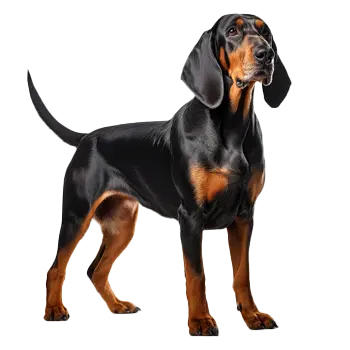

Car Travel

Car travel is the most common and practical way to transport a Black and Tan Coonhound, and fortunately, most coonhounds take to road trips with relative ease once they have been properly introduced to vehicle travel. Given the breed's large size, a sturdy crate secured in the cargo area of an SUV or wagon is the safest option for both the dog and the driver. The crate should be large enough for the dog to stand, turn around, and lie down comfortably, and it should be anchored to prevent shifting during sudden stops or turns.

For owners who prefer not to use a crate, a vehicle-specific crash-tested harness that attaches to the car's seatbelt system is a reasonable alternative. These harnesses are available in sizes suitable for large breeds and provide a degree of restraint that protects the dog in the event of an accident while still allowing some freedom of movement. Regardless of the restraint method chosen, a Black and Tan Coonhound should never ride unrestrained in a moving vehicle, as its weight and size pose a significant safety risk in a collision.

The Black and Tan Coonhound's powerful nose can make car travel an intensely stimulating experience, as the dog picks up scents from the passing landscape. Some coonhounds become restless or vocal when they detect interesting smells, so owners should plan for regular stops during long drives to allow the dog to stretch, relieve itself, and investigate its surroundings on leash. A stop every two to three hours is a reasonable interval for most dogs, and longer stops with opportunities for a brief walk are ideal.

Hydration is particularly important during car travel, especially in warm weather. Owners should carry fresh water and a spill-proof travel bowl and offer water at every stop. The Black and Tan Coonhound's dark coat absorbs heat readily, so the car's interior should be kept cool with air conditioning and the dog should never be left unattended in a parked vehicle, even for short periods. Temperatures inside a parked car can rise to dangerous levels within minutes, posing a serious risk of heatstroke.

Air Travel

Air travel with a Black and Tan Coonhound presents unique challenges due to the breed's size. At 65 to 110 pounds, the Black and Tan Coonhound is far too large to travel in the cabin of a commercial aircraft and must be transported in the cargo hold in an airline-approved crate. Cargo hold travel is available on most major airlines, but policies, fees, and seasonal restrictions vary significantly between carriers, and owners should research their options well in advance of their planned travel date.

The crate used for air travel must meet International Air Transport Association standards, which specify requirements for construction material, ventilation, size, locking mechanisms, and labeling. The crate must be large enough for the dog to stand at full height without touching the top, to turn around freely, and to lie down in a natural position. For a large Black and Tan Coonhound, this typically means a crate in the 400 or 500 series, which can be expensive to purchase and difficult to store when not in use.

Many airlines restrict or embargo pet travel in cargo during extreme weather conditions, typically when temperatures at any point along the route are forecast to exceed 85 degrees Fahrenheit or drop below 45 degrees Fahrenheit. Given the Black and Tan Coonhound's sensitivity to heat, owners should be cautious about scheduling flights during the summer months and should choose early morning or late evening departures when possible to minimize heat exposure during loading and unloading.

Owners should also consult their veterinarian before flying with their Black and Tan Coonhound. A pre-flight health check is typically required by airlines, and a health certificate issued within 10 days of travel is standard policy. The veterinarian can also advise on whether sedation is appropriate, though most veterinary and airline guidelines recommend against sedating dogs for air travel, as sedation can interfere with a dog's ability to regulate its body temperature and balance in the pressurized cargo environment.

For owners who travel frequently and find cargo hold transport impractical or stressful for their dog, ground transport services that specialize in pet relocation offer an alternative. These services transport dogs in climate-controlled vehicles with regular stops for exercise and care, and while they are more expensive and slower than air travel, they may provide a less stressful experience for the dog.

Pet-Friendly Accommodations

Finding pet-friendly accommodations for a Black and Tan Coonhound requires some advance planning, as many hotels and vacation rentals that advertise themselves as pet-friendly impose weight limits that exclude dogs of this size. Owners should look specifically for accommodations that either have no weight limit or that explicitly welcome large breeds. National hotel chains with consistently dog-friendly policies are a reliable option, though individual properties within a chain may have different rules, so it is always advisable to confirm the pet policy before booking.

Vacation rental platforms have significantly expanded the options available to owners of large dogs. Many privately owned rental homes and cabins welcome pets of all sizes and offer amenities like fenced yards, proximity to hiking trails, and outdoor washing stations that are particularly appealing to coonhound owners. These properties are often a better fit for a large, active dog than a standard hotel room, as they provide more space and a more relaxed environment.

When staying in any pet-friendly accommodation, Black and Tan Coonhound owners should be mindful of the breed's vocal tendencies. A coonhound that is left alone in an unfamiliar room may bay out of anxiety or boredom, creating a disturbance for neighboring guests. Owners should plan to crate their dog when leaving the room, bring familiar items like bedding and toys to reduce stress, and avoid leaving the dog alone for extended periods. If the dog is prone to separation anxiety, it may be worth considering accommodations that allow the dog to accompany its owner throughout the day.

Pet deposits and cleaning fees are standard at most pet-friendly accommodations and can range from modest to substantial. The Black and Tan Coonhound's tendency to drool, shed, and track in outdoor debris means that owners should be prepared to leave the room in good condition and to cover any additional cleaning costs. Bringing a lint roller, extra towels, and a portable mat for the dog's sleeping area can help minimize the mess and protect the owner's deposit.

Boarding & Pet Sitting

When travel plans do not permit bringing the Black and Tan Coonhound along, boarding facilities and pet sitting services provide alternatives for the dog's care. Choosing the right boarding facility for a coonhound requires attention to several breed-specific considerations. The facility should offer adequate space for a large, active dog, with individual runs or suites rather than small cages. Outdoor exercise areas should be securely fenced with fencing tall enough to contain a motivated hound, as some coonhounds are capable climbers and jumpers when sufficiently stimulated by a scent.

Facilities that offer group play should be evaluated for their compatibility with the Black and Tan Coonhound's temperament and play style. Most coonhounds are sociable with other dogs, but their size and energy level can be overwhelming for smaller breeds. A facility that groups dogs by size or temperament during play sessions is ideal. Owners should also inquire about the facility's noise management practices, as a boarding kennel full of dogs can overstimulate a vocal breed like the coonhound and lead to excessive baying.

In-home pet sitting is another option that many Black and Tan Coonhound owners prefer, particularly for dogs that are anxious in unfamiliar environments. A professional pet sitter who comes to the owner's home can maintain the dog's regular routine, provide individualized attention, and avoid the stress of a kennel environment. Owners should choose a sitter who has experience with large, active breeds and who understands the coonhound's need for secure containment and leash management during walks.

For coonhound owners who participate in the hunting community, informal boarding arrangements with fellow hunters or breed enthusiasts can be an excellent option. These arrangements offer the advantage of placing the dog with someone who understands the breed's temperament, exercise needs, and handling requirements. However, owners should ensure that these informal arrangements include clear agreements about care standards, veterinary authorization, and liability.

Emergency Preparedness

Emergency preparedness is an important consideration for all dog owners, but the Black and Tan Coonhound's size and specific needs make advance planning particularly critical. A well-stocked emergency kit for a coonhound should include a minimum three-day supply of food and water, any medications the dog requires, copies of vaccination records and the veterinarian's contact information, a sturdy leash and collar with current identification tags, and a secure crate suitable for transport.

Natural disasters, severe weather events, and other emergencies may require evacuation on short notice, and owners should have a plan in place for transporting their Black and Tan Coonhound safely. The plan should identify pet-friendly emergency shelters or hotels along the evacuation route, as many public emergency shelters do not accept pets. The Federal Emergency Management Agency maintains resources for pet owners preparing for disasters, and many states have enacted laws requiring emergency management plans to accommodate companion animals.

Microchipping is one of the most effective tools for reuniting a lost dog with its owner during an emergency. All Black and Tan Coonhounds should be microchipped with an ISO-standard chip, and the registration information should be kept current with the microchip company. In addition to the microchip, the dog should wear a collar with a tag displaying the owner's name, phone number, and any alternate contact information. GPS tracking collars have become increasingly popular among coonhound owners and can be invaluable in locating a dog that has become separated from its owner during an emergency or while hunting.

Owners should also identify veterinary emergency clinics along their regular travel routes and in the areas where they hunt or vacation with their dogs. Knowing the location and contact information of the nearest emergency veterinary facility can save critical time in the event of an injury, illness, or snakebite, all of which are potential risks for an active coonhound that spends time in the field.

First aid knowledge is a valuable complement to emergency preparedness. Owners should familiarize themselves with basic canine first aid techniques, including wound care, treatment for heatstroke, and recognition of common emergencies such as bloat, which is a concern for deep-chested breeds like the Black and Tan Coonhound. A canine first aid kit containing bandaging materials, antiseptic, a digital thermometer, and a muzzle should be part of the dog's travel gear and emergency supplies.

Always consult a qualified professional before making any health-related decisions. This content is provided for informational reference only and should not replace professional guidance specific to your animal.