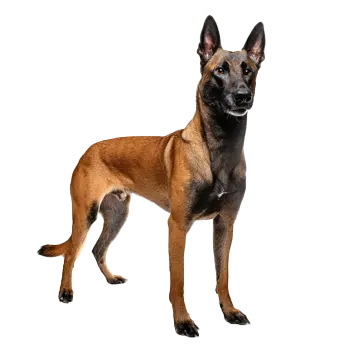

Breed-Specific Legislation

The Belgian Malinois is not as commonly targeted by breed-specific legislation as breeds like the American Pit Bull Terrier or Rottweiler, but it is not entirely exempt from such laws. Some municipalities and countries have included the Malinois on restricted or regulated breed lists, particularly in jurisdictions where the breed's growing popularity has been accompanied by bite incidents or complaints about aggressive behavior from improperly managed dogs.

In several European countries, the Malinois has come under increased regulatory scrutiny. Some regions require owners of certain breeds, including the Malinois, to obtain special permits, pass knowledge tests, or demonstrate that their dog has completed an approved temperament assessment. These requirements vary significantly from one jurisdiction to another and can change with relatively little notice.

In the United States, breed-specific legislation is enacted at the local level, which creates a patchwork of regulations that owners must navigate carefully. While most American BSL targets bully breeds, some communities have expanded their restricted breed lists to include other large or working breeds. Malinois owners should research local ordinances before moving to a new area or traveling with their dog.

The debate around breed-specific legislation remains active and contentious. Proponents argue that certain breeds pose inherently greater risks due to their physical capabilities, while opponents contend that behavior is primarily a function of training, socialization, and owner responsibility. Major veterinary and animal welfare organizations have generally advocated for breed-neutral dangerous dog laws that focus on individual behavior rather than breed identity.

Ownership Requirements

Ownership requirements for Belgian Malinois vary widely depending on location. In most parts of the United States, there are no breed-specific ownership prerequisites beyond standard dog licensing and rabies vaccination requirements. However, some cities and counties impose additional conditions on owners of breeds classified as potentially dangerous, which may include the Malinois in certain jurisdictions.

Several European countries have implemented tiered ownership systems that place additional requirements on owners of working and protection breeds. These may include mandatory liability insurance at higher coverage levels, completion of a dog-handling course, proof of adequate housing and yard space, and registration with local animal control authorities. In some cases, the dog itself must pass a behavioral assessment before the owner can obtain a permit.

Age restrictions on ownership also apply in some jurisdictions. Certain regions prohibit minors from being the registered owner of breeds classified as requiring experienced handling. These laws aim to ensure that dogs with high drive and significant physical capability are managed by adults who can maintain appropriate control and provide adequate training.

Prospective Malinois owners are strongly encouraged to research all applicable local, state or provincial, and national regulations before acquiring a dog. Requirements can differ dramatically even between neighboring municipalities, and failure to comply with ownership regulations can result in fines, mandatory surrender of the dog, or criminal charges in extreme cases.

Liability & Insurance

Liability considerations are particularly relevant for Belgian Malinois owners due to the breed's strength, speed, and protective instincts. In most legal systems, dog owners bear primary responsibility for any injuries or property damage caused by their animal. This liability can extend to situations where the dog was provoked or where the injured party was trespassing, depending on the jurisdiction and specific circumstances.

Homeowner's and renter's insurance policies often include liability coverage for dog-related incidents, but many insurers maintain breed restriction lists that can complicate coverage for Malinois owners. Some insurance companies charge higher premiums for policies covering households with breeds they classify as high-risk, while others refuse coverage entirely. Owners should disclose their dog's breed to their insurer and confirm that their policy provides adequate coverage.

In jurisdictions that follow strict liability standards for dog bites, the owner is held responsible regardless of whether they knew the dog might bite or took precautions to prevent it. In negligence-based jurisdictions, the injured party must typically demonstrate that the owner failed to exercise reasonable care. Some areas apply a one-bite rule that shields owners from liability for a first incident if they had no reason to believe the dog was dangerous, though this standard has been widely criticized and is increasingly rare.

Owners who use their Malinois for protection work, bite sports, or personal security should be especially attentive to liability issues. A dog that has been trained in bite work may be held to a different standard in legal proceedings, and the owner's decision to train the dog in this manner could be considered a factor in determining liability. Consulting with an attorney who specializes in animal law is advisable for owners engaged in these activities.

Housing Restrictions

Housing restrictions represent one of the most practical legal challenges for Belgian Malinois owners. Many landlords, property management companies, and homeowner's associations maintain breed restriction lists that prohibit or limit ownership of certain breeds on their properties. The Malinois appears on some of these lists, particularly in communities that have experienced incidents involving the breed or that apply broad restrictions to all large working breeds.

Rental housing presents the most common friction point. Even in areas without municipal breed bans, private landlords retain significant discretion over which breeds they allow on their properties. Prospective tenants with Malinois may face a narrower selection of available housing, higher pet deposits, or requirements for additional liability insurance as a condition of tenancy.

Condominium and homeowner's associations can impose their own breed restrictions through community covenants and bylaws. These restrictions carry legal weight and can be enforced through fines, legal action, or mandatory removal of the animal. Owners should carefully review all association documents before purchasing property in a community governed by an HOA.

Military housing and government-managed residential facilities often maintain their own breed restriction policies that may differ from civilian standards. Service members stationed at installations with breed bans may face difficult decisions about housing their Malinois. Some installations offer waivers or exceptions for dogs that pass temperament evaluations, but these processes vary by branch and installation.

Import & Export Regulations

International travel and relocation with a Belgian Malinois requires careful attention to import and export regulations that vary significantly between countries. Most nations require at minimum a current rabies vaccination, a veterinary health certificate issued within a specified timeframe before travel, and a microchip that meets ISO standards. Many countries impose additional requirements that can include blood titer tests, quarantine periods, and breed-specific import permits.

Several countries maintain outright bans or heavy restrictions on the importation of certain dog breeds. While the Malinois is not as frequently restricted as some other breeds, owners should verify the current import status for their destination well in advance of planned travel. Regulations can change, and breed classifications may differ from one country's system to another.

The European Union has established a standardized pet passport system that simplifies travel between member states for dogs that meet vaccination and identification requirements. However, individual EU countries may impose supplemental breed-specific regulations that exist outside the pet passport framework. Owners traveling within the EU should research both the overarching EU requirements and any country-specific additions.

Exporting a Malinois from certain countries may also require compliance with national breeding regulations, export permits, or registration with breed authorities. Countries with strong working-dog breeding programs sometimes regulate the export of dogs from registered lines to maintain breed quality. Working with an experienced pet transport company or veterinary export specialist can help owners navigate the complex documentation requirements associated with international travel.

Rescue & Shelter Law

The legal framework surrounding rescue and shelter operations directly affects Belgian Malinois that enter the shelter system. As the breed's popularity has increased, so has the number of Malinois and Malinois mixes appearing in municipal shelters and breed-specific rescue organizations. These dogs often arrive as owner surrenders, strays, or animals seized in cruelty or neglect cases.

Municipal shelters operate under local and state laws that dictate holding periods, adoption procedures, and euthanasia protocols. Stray dogs must typically be held for a minimum number of days to allow owners to reclaim them before they can be made available for adoption or transferred to rescue organizations. Some jurisdictions have enacted no-kill policies that require shelters to achieve specified live-release rates, which has increased the importance of rescue partnerships and foster networks.

Breed-specific rescue organizations play a critical role in the Malinois community. These organizations evaluate surrendered and abandoned dogs, provide necessary veterinary care and behavioral assessment, and place dogs in foster homes while seeking appropriate permanent adopters. Many Malinois rescues impose stringent adoption requirements, including home visits, experience checks, and post-adoption follow-up, to reduce the likelihood of a second surrender.

Legal liability for rescue organizations is an evolving area of law. Some jurisdictions have enacted legislation that provides limited liability protection for shelters and rescues that adopt out animals in good faith, while others hold these organizations to the same standards as commercial breeders. Rescue organizations that place dogs with known behavioral challenges must balance transparency about the dog's history with the goal of finding a suitable home, and legal counsel helps these groups navigate disclosure requirements and adoption contract enforceability.

Always consult a qualified professional before making any health-related decisions. This content is provided for informational reference only and should not replace professional guidance specific to your animal.