
Origins & Development

The Belgian Malinois takes its name from the city of Malines (Mechelen) in the Flanders region of Belgium, where the breed was first developed in the late nineteenth century. During this period, Belgian shepherds relied on versatile herding dogs to manage livestock across the country's varied terrain. Local breeders began selectively refining these working dogs, prioritizing athleticism, intelligence, and a strong drive to work closely with their handlers.

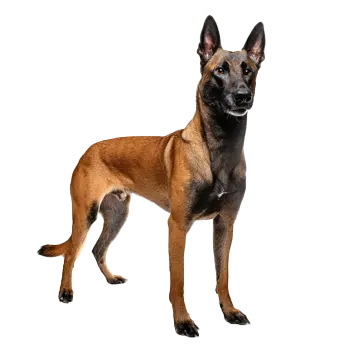
In 1891, Professor Adolphe Reul of the Belgian School of Veterinary Sciences undertook a formal study of native Belgian shepherd dogs. His work led to the classification of four distinct varieties, grouped by coat type and color: the Malinois (short-haired fawn with black mask), the Tervuren (long-haired fawn), the Groenendael (long-haired black), and the Laekenois (rough-coated). Though all four share a common ancestry, the Malinois quickly distinguished itself as the most physically driven and work-focused of the group.

Early breeding programs in and around Malines established a dog that was lighter in frame and faster on its feet than many other herding breeds of the era. The first breed standard was drafted in 1892, and Belgian Malinois began appearing in organized exhibitions shortly after. Breeders placed heavy emphasis on working ability, which set the Malinois apart from breeds that were increasingly shaped by conformation standards alone.

By the turn of the twentieth century, the Belgian Malinois had earned a strong regional reputation. Shepherds valued the breed for its tireless stamina, quick reflexes, and keen sensitivity to commands. These early decades cemented the traits that would later make the Malinois indispensable to military and law enforcement operations around the world.

Historical Roles

The Belgian Malinois transitioned from pastoral herding to professional service work with remarkable speed. During World War I, Belgian forces employed Malinois as messenger dogs, ambulance dogs, and sentries along the front lines. Their compact build, endurance, and responsiveness under stress made them invaluable in the chaos of trench warfare. Many historical accounts describe Malinois carrying dispatches through active shelling when other forms of communication had been severed.

World War II saw continued military use across multiple theaters of conflict. The breed's natural alertness and trainability made it well suited to detection work, patrol duties, and guarding supply depots. After the war, returning servicemembers brought awareness of the breed back to their home countries, which helped spark interest beyond Belgium's borders.

In the latter half of the twentieth century, the Belgian Malinois emerged as the preferred breed for police K-9 units, particularly in Western Europe. Belgian and Dutch law enforcement agencies adopted the breed extensively for suspect apprehension, narcotics detection, and search-and-rescue operations. The Malinois offered a combination of speed, agility, and bite strength that few other breeds could match in operational settings.

Today the Belgian Malinois is the dominant breed in elite military and law enforcement units worldwide. The United States Secret Service, Navy SEALs, and numerous federal agencies rely on Malinois for explosive detection, building clearance, and protective details. The breed's working legacy spans more than a century of continuous service, a record that reflects both the quality of its original breeding and the ongoing commitment of working-dog programs to maintain those standards.

Cultural Symbolism

In Belgium, the Malinois holds a place of national pride as a symbol of the country's pastoral heritage and its contributions to working-dog culture. The city of Mechelen embraces its association with the breed, and Belgian cynological organizations celebrate the Malinois as one of the finest examples of purposeful breeding. The dog appears in regional art, monuments, and cultural festivals that honor Belgium's agricultural traditions.

Beyond its home country, the Belgian Malinois has become a global symbol of discipline, loyalty, and elite performance. The breed's prominent role in military special operations has elevated its cultural status considerably, particularly in the United States and Western Europe. Public awareness of the Malinois surged after high-profile missions drew media attention to the capabilities of military working dogs.

The Malinois also carries symbolic weight in the broader working-dog community. Trainers and handlers often regard the breed as the benchmark against which other working dogs are measured. Its combination of intelligence, physical ability, and willingness to engage in demanding tasks has made it a kind of gold standard in protection sports, detection work, and competitive obedience.

This cultural symbolism, however, comes with responsibility. Breed advocates frequently emphasize that the Malinois is not a casual pet but a purpose-bred working animal that thrives when given a job. The breed's cultural image as an elite performer has attracted owners who may be unprepared for its intensity, a dynamic that breed organizations and rescue groups actively work to address.

Breed Clubs & Standards

The first formal breed club for Belgian shepherd dogs was established in Belgium in 1891, and the Malinois variety received its own standard shortly thereafter. The Royal Society Saint-Hubert, Belgium's national kennel club, has maintained oversight of the breed standard since its inception. European standards have traditionally emphasized working ability alongside physical conformation, reflecting the breed's origins as a functional herding dog.

In the United States, the American Kennel Club recognized the Belgian Malinois as a distinct breed in 1959, after decades during which all four Belgian shepherd varieties were registered together. The American Belgian Malinois Club serves as the parent club and works to promote responsible breeding, health testing, and the preservation of working traits. The club hosts national specialties, working-dog trials, and educational events throughout the year.

The Fédération Cynologique Internationale groups all four Belgian shepherd varieties under a single breed standard with separate variety designations. This classification reflects the shared ancestry of the Malinois, Tervuren, Groenendael, and Laekenois, though breeding between varieties is generally discouraged in most registries. Standards across organizations consistently call for a square-proportioned, elegant dog with a short fawn coat, black mask, and alert expression.

Breed clubs worldwide have placed increasing emphasis on health screening and temperament evaluation. Hip and elbow dysplasia testing, eye examinations, and genetic screening for degenerative myelopathy are among the recommended protocols. These efforts aim to preserve the breed's remarkable working ability while reducing the incidence of heritable health conditions that can compromise quality of life.

The Breed Today

The Belgian Malinois currently ranks among the most sought-after breeds for professional working-dog programs around the world. Military and law enforcement agencies on every inhabited continent maintain active breeding and procurement programs for the Malinois. The breed's dominance in these fields has only intensified over the past two decades, as operational demands have favored dogs with exceptional drive, stamina, and environmental resilience.

Competitive dog sports have also embraced the Malinois with enthusiasm. The breed excels in French Ring Sport, Belgian Ring, IPO (now known as IGP), and agility competitions. Malinois handlers regularly dominate the podium at international working-dog championships, and the breed's performance in these venues serves as a proving ground for breeding programs focused on maintaining peak working traits.

The rise in public popularity has brought both opportunities and challenges. More families and individual owners are drawn to the breed's intelligence and striking appearance, but the Malinois's intensity and high exercise requirements make it a poor fit for many households. Breed-specific rescues have reported increasing surrender rates as owners discover the demands of living with a dog bred for relentless activity and mental engagement.

Responsible breeders and breed organizations continue to advocate for careful placement and thorough buyer education. Many breeders require prospective owners to demonstrate relevant experience with high-drive dogs before approving a sale. This gatekeeping, while sometimes controversial, reflects a genuine concern for the welfare of dogs that can become destructive and anxious without adequate outlets for their energy and intelligence.

Notable Individuals

Perhaps the most famous Belgian Malinois in recent history is Cairo, the military working dog who participated in the 2011 operation that located Osama bin Laden in Abbottabad, Pakistan. Cairo's involvement in the mission brought unprecedented public attention to the role of Malinois in special operations and inspired widespread admiration for the breed's capabilities in high-stakes environments.

Conan, another military working dog, received national recognition after being injured during a 2019 special operations raid targeting a high-value target in Syria. Conan was honored at the White House and became a symbol of the sacrifices made by working dogs in combat. The dog's story highlighted the intense bond between military handlers and their canine partners.

In the world of competitive dog sports, numerous Malinois have achieved legendary status. Dogs like the multiple-time French Ring champions produced by top European breeding programs have demonstrated the extraordinary heights of training and genetic potential the breed can reach. These competition dogs often set benchmarks that influence breeding decisions for years afterward.

Beyond military and sport fame, individual Malinois have made their mark in search-and-rescue, disaster response, and conservation work. Malinois have been deployed to detect poaching activity in African wildlife reserves, locate survivors after earthquakes and building collapses, and assist customs agencies in intercepting contraband at international borders. Each of these roles adds another chapter to the breed's remarkable and still-expanding legacy of service.

Always consult a qualified professional before making any health-related decisions. This content is provided for informational reference only and should not replace professional guidance specific to your animal.