
Film & Television

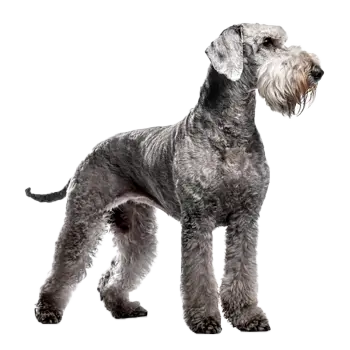
The Bedlington Terrier's striking resemblance to a small lamb has made it a natural scene-stealer on the rare occasions it has appeared on screen. While the breed has never achieved the ubiquitous on-screen presence of breeds like the Golden Retriever or German Shepherd, its unusual appearance ensures that any film or television cameo leaves a lasting impression. Viewers unfamiliar with the breed often react with surprise and delight when a Bedlington appears, creating memorable moments that draw attention far beyond what the dog's screen time might suggest.

The breed has appeared in a handful of British television productions over the decades, often in period dramas or documentaries focused on northern English life and heritage. These appearances tend to emphasize the Bedlington's historical connection to the mining communities of Northumberland, positioning the breed as a visual shorthand for a particular time, place, and way of life. The dog's distinctive silhouette communicates regional identity in a way that few other props or details could achieve.

In televised dog shows, the Bedlington Terrier consistently draws commentary and audience interest for its dramatic grooming and unique movement. Broadcasts of events like Crufts and the Westminster Kennel Club Dog Show have introduced the breed to millions of viewers who might never encounter a Bedlington in person. These televised appearances serve as important promotional moments for the breed, often generating spikes in public inquiries to breed clubs and rescue organizations.

Despite its relative rarity on screen, the Bedlington Terrier's visual distinctiveness has made it a favorite among casting directors and production designers looking for a dog that reads as both elegant and unusual. The breed's calm temperament and trainability also make it well-suited to the demands of on-set work, where dogs must remain composed under bright lights and amid the controlled chaos of a production environment.

Literature & Art

The Bedlington Terrier has held a modest but meaningful place in British literature, appearing most frequently in works connected to the culture and history of northern England. Regional writers and historians have documented the breed's origins alongside accounts of mining life, Romani traditions, and the rural landscape of Northumberland. These literary references serve to anchor the Bedlington within a specific cultural and geographical context, reinforcing its identity as a breed shaped by a particular community and way of life.

In the visual arts, the Bedlington's unusual form has attracted the attention of animal painters and illustrators since the nineteenth century. Early depictions of the breed, found in sporting prints and kennel club publications, reveal how the Bedlington's appearance has evolved over time, with earlier dogs typically shown as more robust and less stylized than the refined silhouettes seen in modern show rings. These historical images provide valuable documentation of the breed's development and the changing aesthetic preferences of its fanciers.

Contemporary artists have been drawn to the Bedlington Terrier as a subject precisely because of its paradoxical appearance. The tension between the breed's soft, lamb-like exterior and its fierce terrier heritage provides rich material for artistic exploration. Sculptors, painters, and textile artists have all used the Bedlington as a vehicle for examining themes of duality, transformation, and the relationship between surface appearance and underlying character.

The breed has also appeared in children's literature, where its resemblance to a lamb provides an engaging visual hook for young readers. Stories featuring Bedlingtons often play on the contrast between the dog's gentle appearance and its bold personality, offering narratives about courage, individuality, and the importance of looking beyond first impressions. These children's books have served as many young readers' first introduction to the breed.

Internet & Social Media

The Bedlington Terrier has found a natural home on social media platforms, where its extraordinary appearance generates immediate engagement. Photos and videos of Bedlingtons routinely go viral among general dog-loving audiences, many of whom mistake the breed for an actual lamb or a stuffed animal on first glance. This initial moment of surprise and recognition drives sharing and commentary, making Bedlington content consistently high-performing across platforms like Instagram and TikTok.

Dedicated Bedlington Terrier accounts on Instagram have cultivated passionate followings by showcasing the breed's personality alongside its distinctive looks. These accounts often emphasize the contrast between the Bedlington's serene, photogenic appearance and its playful, energetic terrier nature, offering followers an ongoing narrative that keeps them engaged beyond the initial novelty of the breed's appearance. Many of these accounts have become important community hubs for Bedlington owners and enthusiasts worldwide.

The breed's elaborate grooming requirements have also generated significant interest in the online grooming community. Tutorial videos demonstrating Bedlington trims attract viewers from both within and outside the breed fancy, as the sculpted, lamb-like finish is widely regarded as one of the most technically demanding and visually striking trims in all of dog grooming. Professional groomers often cite the Bedlington trim as a benchmark of skill and artistry.

Online forums and breed-specific groups on platforms like Facebook and Reddit serve as vital resources for Bedlington Terrier owners, providing spaces to share advice on health issues, grooming techniques, training challenges, and breeder recommendations. These digital communities have been especially important for owners of a relatively uncommon breed, connecting people who might otherwise have little opportunity to interact with fellow Bedlington enthusiasts. The result is a tightly knit global community that transcends geographical boundaries.

Advertising & Branding

The Bedlington Terrier's unique silhouette has occasionally been employed in advertising and branding contexts where visual distinctiveness is paramount. The breed's lamb-like appearance creates an immediate double-take effect that advertisers prize for its ability to stop viewers mid-scroll or mid-page-turn. When a Bedlington appears in a print ad or commercial, the viewer's momentary confusion about whether they are looking at a dog or a lamb creates a memorable cognitive hook that enhances brand recall.

In its home region of Northumberland, the Bedlington Terrier has been adopted as a branding element by local businesses, tourism boards, and civic organizations. The breed's silhouette appears on signage, promotional materials, and merchandise throughout the Bedlington area, serving as a distinctive regional identifier that connects contemporary commerce to the town's heritage. This local branding reinforces the breed's status as a cultural ambassador for the community that gave it its name.

The grooming and pet care industries have also drawn on the Bedlington's image to convey messages of premium quality and artisanal craftsmanship. The breed's association with skilled, time-intensive grooming makes it a natural visual shorthand for luxury pet services and high-end grooming products. Advertisements featuring Bedlingtons in these contexts leverage the breed's polished appearance to communicate standards of excellence and attention to detail.

Despite these periodic appearances in commercial contexts, the Bedlington Terrier has never become a mass-market advertising icon on the scale of breeds like the Dalmatian or the Bulldog. This relative commercial obscurity, however, means that each advertising appearance retains a sense of novelty and exclusivity that can actually enhance a brand's positioning. For marketers seeking to signal sophistication and originality rather than broad accessibility, the Bedlington offers a compelling visual vocabulary.

The Popularity Effect

Unlike many breeds whose popularity has surged dramatically following high-profile media appearances, the Bedlington Terrier has maintained a remarkably stable population and following over the decades. This consistency reflects both the breed's specialist appeal and the tight-knit community of breeders who have historically prioritized quality and health over numerical growth. The Bedlington's relative obscurity in mainstream media has, paradoxically, served as a form of protection against the boom-and-bust popularity cycles that have harmed other breeds.

When Bedlingtons do receive bursts of media attention, whether through a viral social media post, a dog show broadcast, or an occasional film appearance, breed clubs and rescue organizations have learned to respond proactively. Increased public interest is welcomed with educational outreach about the breed's specific needs, including its grooming requirements, exercise demands, and health considerations. This measured approach helps ensure that new owners come to the breed with realistic expectations rather than being drawn in solely by the dog's eye-catching appearance.

The breed's grooming requirements serve as a natural filter on impulse ownership. The Bedlington's coat requires regular professional grooming to maintain its characteristic shape, and this ongoing commitment of time and expense tends to deter casual buyers who might otherwise acquire the breed on a whim. Experienced breeders often cite the grooming factor as one of the reasons the Bedlington has avoided the overpopulation and shelter-surrender problems that plague more low-maintenance breeds following media-driven popularity spikes.

Looking forward, the Bedlington Terrier's media profile seems likely to grow incrementally as social media continues to reward visually distinctive content. The breed's ability to generate engagement through its appearance alone positions it well for continued viral moments, while its dedicated breeding community provides a stable foundation that can absorb gradual increases in interest without compromising breed health or welfare. This balance between visibility and sustainability represents an enviable position in the modern landscape of purebred dogs.

Always consult a qualified professional before making any health-related decisions. This content is provided for informational reference only and should not replace professional guidance specific to your animal.