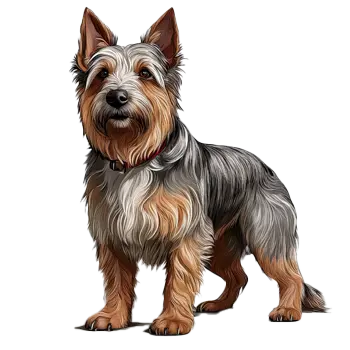

Car Travel

The Australian Terrier's compact size makes it one of the easier breeds to transport by car, but proper preparation and safety measures are still essential for a comfortable journey. The most important consideration is restraint: an unrestrained dog in a moving vehicle is a safety hazard to both the dog and the vehicle's human occupants. A crash-tested travel crate or carrier is the safest option for an Australian Terrier, as it contains the dog securely and provides a familiar, den-like space that can help reduce anxiety during travel.

For owners who prefer not to use a crate, a harness-style seatbelt attachment designed for dogs provides an alternative form of restraint. These devices clip to the vehicle's seatbelt system and limit the dog's movement while allowing it to sit or lie comfortably on the seat. Whichever restraint method is used, the dog should ride in the back seat, as front-seat airbag deployment can be dangerous or fatal to a small dog.

Gradual acclimation is the key to raising a confident car traveler. Begin with short trips around the neighborhood and gradually increase the duration as the dog becomes comfortable. Australian Terriers are generally adaptable and curious, which works in the owner's favor during the acclimation process. Associating car rides with positive experiences, such as trips to a favorite park or trail, helps build a positive association with vehicle travel.

On longer journeys, plan regular stops every two to three hours for bathroom breaks, water, and a brief walk. Never leave an Australian Terrier unattended in a parked vehicle, as temperatures inside a closed car can reach dangerous levels within minutes, even on mild days. Bring a travel water bowl, waste bags, and a small supply of the dog's regular food and treats to ensure comfort throughout the trip.

Air Travel

The Australian Terrier's small size is a significant advantage when it comes to air travel, as most airlines allow dogs under 20 pounds to fly in the cabin in an approved carrier that fits under the seat. This means that Australian Terrier owners can typically avoid the risks and stress associated with cargo hold transport, which is a major concern for many dog owners. However, airline pet policies vary significantly, and owners should research the specific requirements of their chosen carrier well in advance of booking.

Most airlines require a soft-sided carrier that meets specific dimensional requirements, typically around 18 by 11 by 11 inches for under-seat storage. The dog must be able to stand, turn around, and lie down comfortably inside the carrier. Australian Terriers generally fit these carriers well, but owners should measure their dog and the carrier carefully to ensure compliance. Airlines also limit the number of pets per cabin, so early booking and advance notification are essential to secure a spot.

Preparing an Australian Terrier for air travel involves familiarizing the dog with the carrier well before the trip. Place the carrier in the home with the door open, encourage the dog to enter voluntarily, and feed meals inside the carrier to create a positive association. Practice closing the door for increasing periods and, if possible, take the dog in the carrier on short car rides to simulate the confined, moving environment of a flight.

On travel day, exercise the dog thoroughly before heading to the airport, restrict food for a few hours before the flight to reduce the risk of motion sickness, and ensure the dog has relieved itself before entering the terminal. Carry documentation including a health certificate, vaccination records, and any airline-specific forms. Some airlines require a veterinary health certificate issued within 10 days of travel. During the flight, keep the carrier under the seat in front of you, check on the dog periodically, and offer water during layovers.

Pet-Friendly Accommodations

Finding pet-friendly accommodations has become significantly easier in recent years, as the hospitality industry has increasingly recognized the demand for lodging that welcomes guests traveling with dogs. Many hotel chains, vacation rental platforms, and independent properties now offer pet-friendly rooms or units, though policies regarding fees, size limits, breed restrictions, and the number of pets allowed vary widely. The Australian Terrier's small size and generally well-mannered temperament make it a welcome guest at most pet-friendly establishments.

When booking accommodations, confirm the specific pet policy in advance and request written confirmation of the terms. Common considerations include nonrefundable pet fees, nightly pet surcharges, refundable damage deposits, and restrictions on leaving the dog unattended in the room. Some properties designate specific pet-friendly rooms or floors, while others welcome pets throughout the facility. Understanding these details before arrival helps prevent surprises and ensures a smooth check-in.

Vacation rental platforms often provide more flexibility than traditional hotels, with many properties offering fenced yards, pet doors, and other amenities that cater to traveling dog owners. These rentals can be particularly appealing for longer stays or for owners who want their Australian Terrier to have more space and freedom than a hotel room typically allows. Always review the property's pet rules and communicate with the host about your dog's needs and habits.

To be a good guest and ambassador for traveling dog owners, bring familiar bedding and toys to help your Australian Terrier settle into the new environment, clean up after your dog promptly both indoors and on the property grounds, and keep barking to a minimum by managing your dog's exposure to triggers. An Australian Terrier's alert nature may lead to barking at unfamiliar sounds in a hotel setting, so a familiar blanket, a white noise machine, or a calming chew can help the dog relax.

Boarding & Pet Sitting

When travel plans do not permit bringing the Australian Terrier along, boarding facilities and pet sitters provide alternatives for ensuring the dog's care and safety during the owner's absence. The choice between boarding and pet sitting depends on the individual dog's temperament, the length of the absence, and the owner's preferences and budget. Australian Terriers, with their strong attachment to their people, can experience separation anxiety, so selecting the right care arrangement is particularly important for this breed.

Boarding facilities range from basic kennels to luxury pet resorts offering private suites, webcam access, grooming services, and structured play groups. When evaluating a boarding facility, visit in person to assess cleanliness, staff attentiveness, and the overall environment. Ask about the facility's policies on exercise, socialization, feeding, and medication administration. Ensure that the facility requires proof of vaccination for all boarded dogs, as this protects against the spread of contagious diseases like kennel cough and canine influenza.

In-home pet sitting, where a caregiver visits the owner's home or hosts the dog in their own home, can be a less stressful alternative for Australian Terriers that do not thrive in kennel environments. Home-based care allows the dog to maintain familiar routines and reduces exposure to the noise and stimulation of a multi-dog boarding facility. Professional pet sitting services and platforms that connect owners with vetted sitters have made this option more accessible and reliable in recent years.

Regardless of the care arrangement chosen, preparation is key to a successful outcome. Provide the caregiver with detailed written instructions covering feeding schedules, medication administration, exercise routines, behavioral notes, and emergency contact information. Leave a sufficient supply of the dog's regular food, treats, and any prescribed medications. A familiar blanket or toy from home can provide comfort and help the dog adjust to the temporary arrangement.

Emergency Preparedness

Emergency preparedness is an essential but often overlooked aspect of responsible dog ownership, and it becomes especially important for owners who travel frequently with their Australian Terrier. Natural disasters, severe weather events, vehicle breakdowns, and unexpected medical emergencies can occur at any time, and having a plan in place ensures that the dog's needs are addressed alongside those of the human members of the household.

Every Australian Terrier owner should maintain a portable emergency kit that includes a minimum three-day supply of food and water, a collapsible bowl, a basic first-aid kit for dogs, copies of vaccination records and medical history, current photographs of the dog for identification purposes, a spare leash and collar with identification tags, any prescribed medications, and waste disposal bags. This kit should be easily accessible and ready to go at a moment's notice, whether the emergency occurs at home or on the road.

Identification is critical during emergencies, when dogs are most likely to become separated from their owners. Ensure that your Australian Terrier wears a collar with up-to-date identification tags at all times and that the dog's microchip registration is current with accurate contact information. Consider adding an alternate emergency contact to the microchip registration in case you are unreachable. A recent, clear photograph of the dog stored on your phone and in the emergency kit can expedite search efforts if the dog goes missing.

Know the locations of emergency veterinary clinics along your travel routes and at your destination. Save contact information for these clinics in your phone before departing. If traveling to an unfamiliar area, research the local animal control agency and any pet-friendly emergency shelters that may be available during natural disasters. Many communities maintain lists of emergency pet shelters, and organizations like the Red Cross and local humane societies can provide guidance on disaster preparedness for pet owners.

Always consult a qualified professional before making any health-related decisions. This content is provided for informational reference only and should not replace professional guidance specific to your animal.