
Film & Television

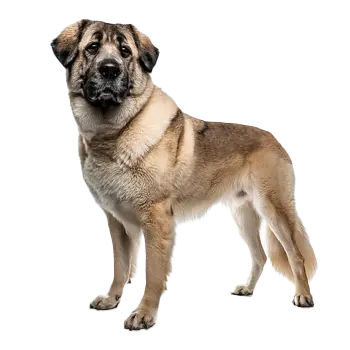
The Anatolian Shepherd's most prominent appearance in mainstream cinema came in the 2001 action film "Cats & Dogs," where a character named Butch was portrayed by an Anatolian Shepherd. The film introduced the breed to a wide audience, many of whom had never encountered an Anatolian Shepherd before. While the movie was a lighthearted family comedy, it showcased the breed's imposing physical presence and alert demeanor, qualities that translated well to the screen.

Beyond that flagship appearance, Anatolian Shepherds have made occasional appearances in television documentaries and nature programs focused on livestock guardian dogs and wildlife conservation. Programs covering the Cheetah Conservation Fund's work in Namibia have frequently featured Anatolian Shepherds in their natural working role, bringing the breed to the attention of viewers interested in environmental issues. These documentary segments have done more to shape public perception of the breed than fictional portrayals, emphasizing the dogs' intelligence, independence, and calm authority.

The breed's relative rarity in film and television compared to more commonly cast breeds like German Shepherds or Golden Retrievers reflects both its uncommon status in the general population and its independent temperament, which can make it less suited to the demands of on-set training. Anatolian Shepherds think for themselves, a trait that makes them exceptional guardians but can present challenges in environments that require repeated, precise obedience to commands on cue.

As interest in heritage and working breeds continues to grow, the Anatolian Shepherd may find more opportunities in media productions that seek authenticity in their portrayal of rural life, ranching, and human-animal partnerships. The breed's striking appearance and compelling backstory make it a natural fit for stories centered on the working relationship between humans and dogs.

Literature & Art

The Anatolian Shepherd has a presence in literature that, while not extensive, is deeply rooted in the pastoral traditions of Turkey and the broader Middle East. Turkish folk tales and oral histories frequently reference powerful guardian dogs that protected flocks from wolves and thieves, and while these stories rarely name a specific breed, they describe animals that are clearly the ancestors of today's Anatolian Shepherds. These narratives emphasize loyalty, courage, and the sacred bond between shepherd and dog.

In Western literature, the Anatolian Shepherd appears primarily in nonfiction works focused on livestock guardian breeds, working dogs, and sustainable agriculture. Books on predator management and rangeland ecology frequently cite the breed as a case study in non-lethal wildlife conflict resolution. Several breed-specific books have been published for prospective owners and enthusiasts, covering the breed's history, care requirements, and working capabilities in detail.

Visual art featuring Anatolian Shepherds ranges from ancient Anatolian relief carvings and pottery that depict large guardian dogs to contemporary paintings and photographs that celebrate the breed's beauty and power. Turkish artists have been particularly drawn to the breed as a subject, reflecting its importance in the nation's cultural identity. In the West, wildlife and animal artists have produced notable works featuring Anatolian Shepherds in pastoral settings, often emphasizing the dramatic landscapes of their homeland.

The breed has also inspired a modest body of children's literature, with picture books and educational titles introducing young readers to the concept of livestock guardian dogs and the role they play in protecting both farm animals and wildlife. These publications often use the Anatolian Shepherd as a gateway to broader discussions about animal behavior, conservation, and the history of human-animal partnerships.

Internet & Social Media

The Anatolian Shepherd has developed a dedicated and passionate online following across social media platforms. Instagram, Facebook, and YouTube feature numerous accounts devoted to the breed, with content ranging from working dog footage on remote ranches to daily life with companion Anatolian Shepherds in suburban homes. Videos of Anatolian Shepherds guarding livestock, interacting with their families, and demonstrating their characteristic independence regularly attract large viewerships and enthusiastic engagement.

Breed-specific Facebook groups and online forums serve as vital community hubs where owners, breeders, and admirers exchange information about health, training, behavior, and breed history. These communities are notable for their emphasis on responsible ownership and their willingness to candidly discuss the challenges of living with a large, independent guardian breed. Prospective owners who join these groups often receive detailed guidance on whether the breed is a good fit for their lifestyle before making a commitment.

YouTube has been a particularly effective platform for showcasing the Anatolian Shepherd's working abilities. Documentary-style videos of the dogs guarding flocks from predators, combined with educational content about livestock guardian dog management, have reached audiences far beyond the traditional working dog community. Several channels dedicated to homesteading, ranching, and rural life feature Anatolian Shepherds prominently, contributing to the breed's growing visibility among people interested in self-sufficient living.

The breed's online presence has also been boosted by viral moments, including videos of Anatolian Shepherds demonstrating their protective instincts in dramatic fashion or displaying surprising gentleness with small animals and children. These clips, shared widely across platforms, have introduced the breed to millions of viewers and sparked broader conversations about guardian breeds, responsible dog ownership, and the working capabilities of dogs in general.

Advertising & Branding

The Anatolian Shepherd has made limited but notable appearances in advertising and commercial branding, typically in contexts that leverage the breed's associations with strength, loyalty, and rugged dependability. Agricultural supply companies, pet food brands targeting working dog owners, and rural lifestyle brands have occasionally featured Anatolian Shepherds in their marketing materials, recognizing the breed's appeal to customers who value function and authenticity over fashion.

In Turkey, the breed's image has been used in tourism and cultural promotion campaigns, particularly those highlighting the nation's pastoral heritage and rural traditions. The iconic image of a powerful guardian dog standing watch over a flock against a backdrop of Anatolian mountains resonates with themes of timelessness and natural beauty that tourism boards find compelling. Turkish agricultural organizations have also featured the breed in materials promoting traditional farming practices.

The Anatolian Shepherd's association with wildlife conservation has created branding opportunities in the environmental sector. Organizations involved in predator-livestock conflict resolution have used images of Anatolian Shepherds working alongside farm animals to communicate their mission and demonstrate the effectiveness of non-lethal management strategies. The breed's role in these programs gives it a unique position at the intersection of agriculture and conservation, a narrative that brands in both spaces have found valuable.

Despite these appearances, the Anatolian Shepherd remains far less commonly used in mainstream advertising than more widely recognized breeds. Its relative obscurity in the general population limits its effectiveness as a brand symbol for products aimed at mass consumer markets. However, for niche brands seeking to project authenticity, heritage, and functional toughness, the Anatolian Shepherd offers a distinctive and underutilized visual identity.

The Popularity Effect

Media exposure, while relatively modest compared to breeds like the Labrador Retriever or French Bulldog, has had a measurable impact on public interest in the Anatolian Shepherd. The breed's appearance in the film "Cats & Dogs" generated a noticeable spike in inquiries to breeders and breed clubs, a pattern familiar across the dog world when a breed receives prominent screen time. Breed organizations responded by intensifying educational efforts to ensure that interested adopters understood the breed's unique requirements.

The broader trend of increased interest in working and heritage breeds has also contributed to the Anatolian Shepherd's growing visibility. As more people seek dogs with defined purposes and storied histories, breeds like the Anatolian Shepherd have benefited from a cultural shift away from purely aesthetic selection criteria. Media coverage of livestock guardian dog programs and sustainable agriculture has reinforced this trend, positioning the Anatolian Shepherd as a breed with real-world relevance beyond the show ring.

Breed advocates have been proactive in managing the risks that come with increased popularity. Experienced owners and breeders consistently emphasize that the Anatolian Shepherd is not a breed for everyone, and that its independent temperament, large size, and strong guardian instincts require a knowledgeable and committed owner. This messaging, amplified through social media and breed club communications, has helped temper impulse acquisitions and ensured that many prospective owners receive realistic expectations before bringing an Anatolian Shepherd into their lives.

The long-term effect of media and cultural exposure on the Anatolian Shepherd population remains a subject of ongoing discussion within the breed community. While increased awareness has expanded the breed's gene pool and brought new enthusiasts into the fold, it has also raised concerns about breeding for appearance rather than function and the placement of dogs in homes that cannot meet their needs. Balancing visibility with responsible stewardship is a challenge that the Anatolian Shepherd community continues to navigate thoughtfully.

Always consult a qualified professional before making any health-related decisions. This content is provided for informational reference only and should not replace professional guidance specific to your animal.